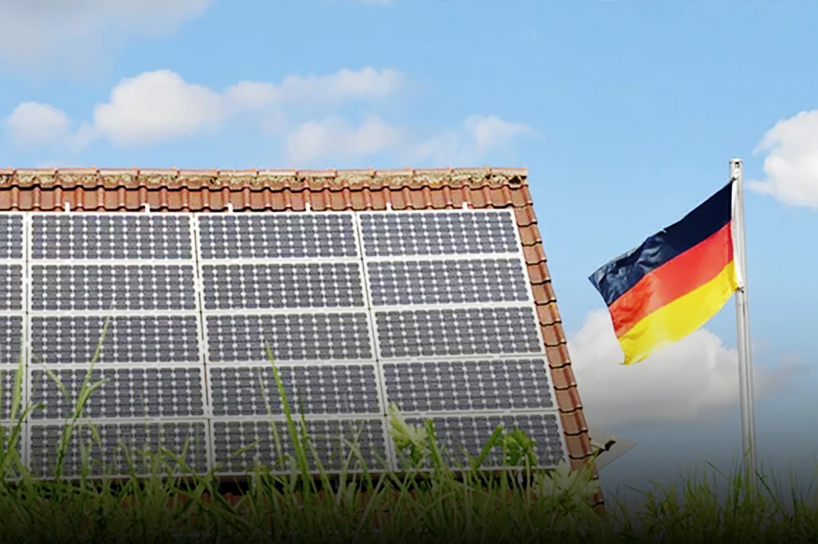

Germany has made one of the biggest shifts in Europe regarding energy after the government reversed one of the most emblematic policies of the woke climate agenda, approving the reform of its controversial heating law and eliminating the requirement for new systems to operate with at least 65% renewable energy, which will allow the installation of gas and oil heating systems for many more years.
The decision represents a significant setback for European environmentalism and marks a historic change for a country that over the last decade had become one of the main drivers of energy restrictions within the European Union, amid a strong social backlash against extremist environmentalism due to the severe economic impact these policies had on German families, businesses, and industries.
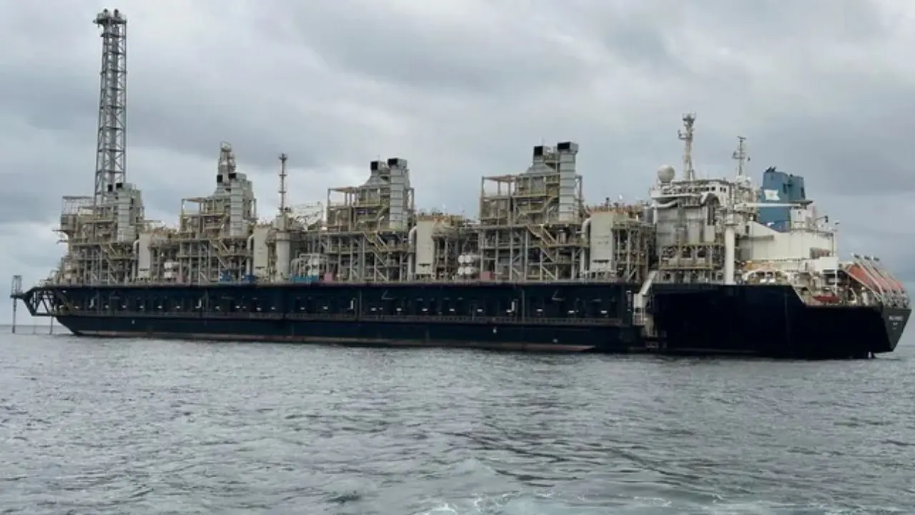
Germany had to acknowledge the benefits of reliable LNG.
The reform was driven by the Minister of Construction, Verena Hubertz, from the SPD, and the Minister of Economy Katherina Reiche, from the CDU. The new scheme eliminates automatic prohibitions and adopts a much more flexible model for homeowners and businesses.
Additionally, the German government directly eliminated the total ban planned for 2045 on boilers powered exclusively by fossil fuels. The previous legislation stipulated that these systems could not continue to be used after December 31, 2044, but that limit has now disappeared.
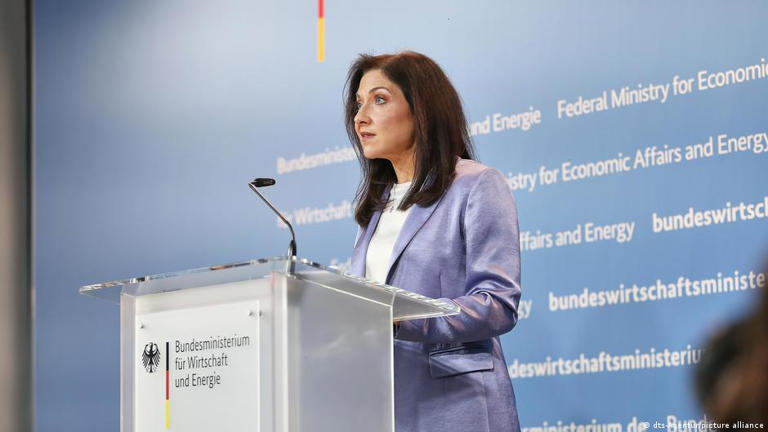
Katherina Reiche, German Minister of Economy.
The Executive defended the reform by arguing that it will reduce energy costs and alleviate economic pressure on millions of German families and businesses. According to official figures, the measure would generate an annual savings of around 5.1 billion euros for citizens and another 2.3 billion for companies.
Reiche stated that the goal is to restore “certainty and predictability” to the energy market and avoid the costly obligations imposed during the previous phase. The imposition of heat pumps and other electric systems had generated strong social backlash due to their high installation costs.
The positive impact for Argentina and Vaca Muerta
President Javier Milei.
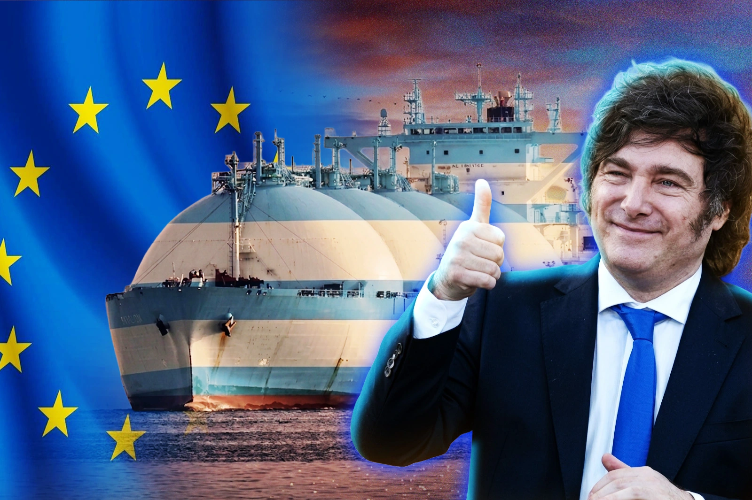
The change also has a direct impact on Argentina. The German energy flexibility strengthens future demand for liquefied natural gas and benefits the agreement signed between Argentina and the German state company Securing Energy for Europe (SEFE), through which the country will export around two million tons annually of LNG for an estimated value of USD 7 billion.
Amid the growth of Vaca Muerta and the expansion of Argentine energy infrastructure, the European retreat from stricter green policies appears as a strategic opportunity to consolidate the country as a global energy supplier.
The international shift against the green agenda grows
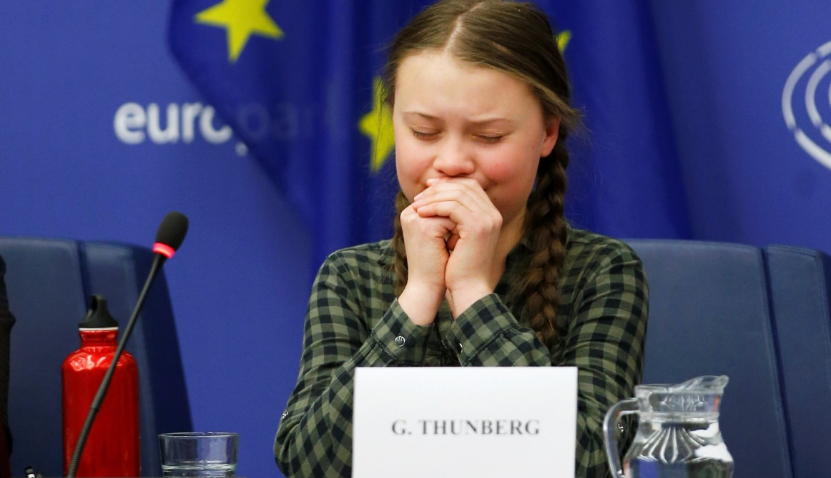
Greta Thunberg cries for him.
The German shift also comes in an international context where the green discourse is losing weight, even within the UN itself. Days ago, the UN climate panel, the IPCC, stopped considering several of the apocalyptic scenarios used for years to justify regulations, green taxes, and energy restrictions as plausible.
Those extreme models now discarded, known as RCP8.5 and SSP5-8.5, projected a practically unreal future of uncontrolled coal consumption and skyrocketing emissions, and were used for over a decade as a political argument to accelerate the energy transition and increase state intervention in the economy and production.