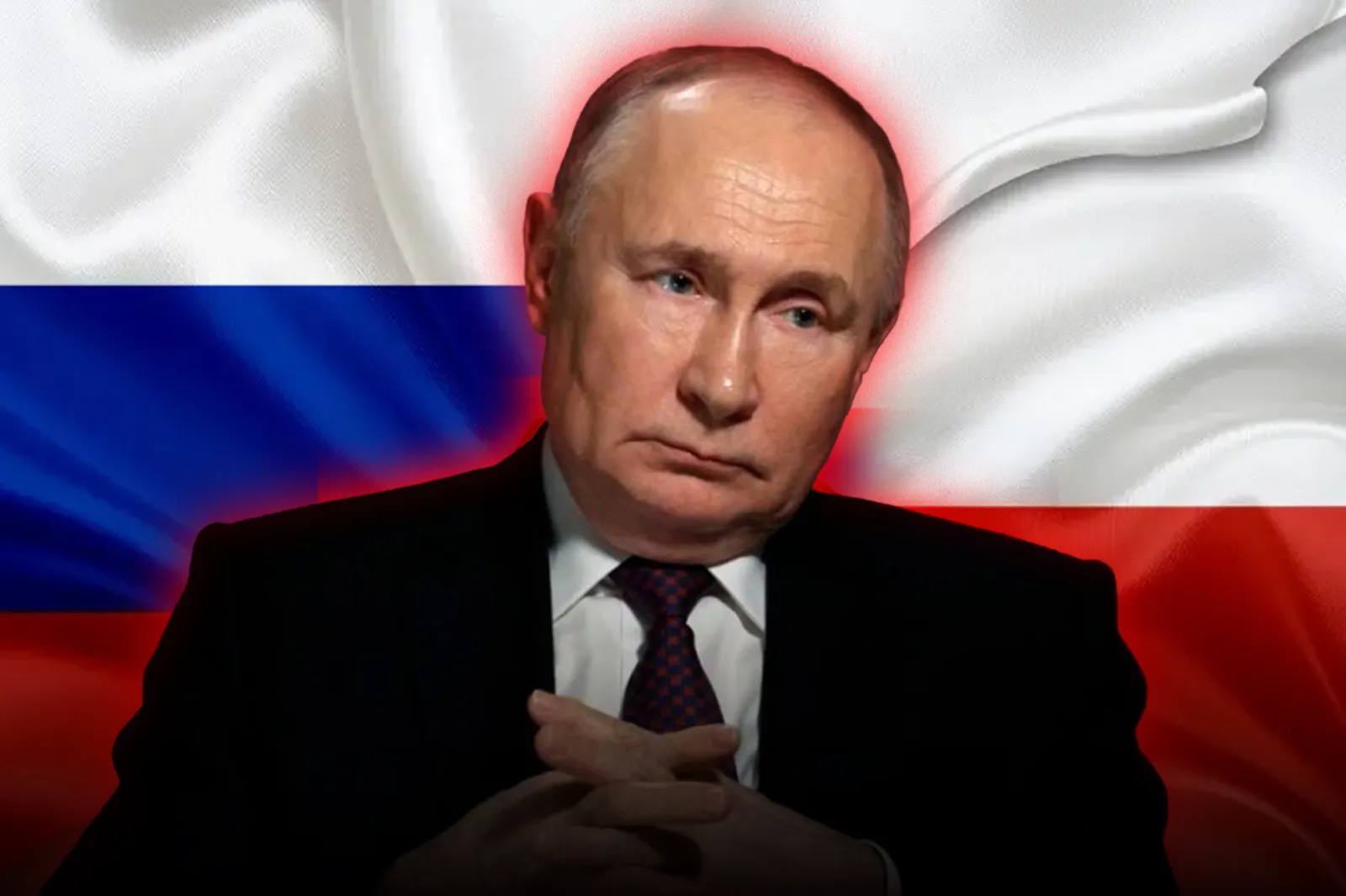
The Kremlin rejected reports of a supposed Russian plan to attack Poland, a NATO member, while Polish authorities insisted on maintaining a high level of military preparedness in light of the deteriorating security in Eastern Europe and the ongoing war in Ukraine.
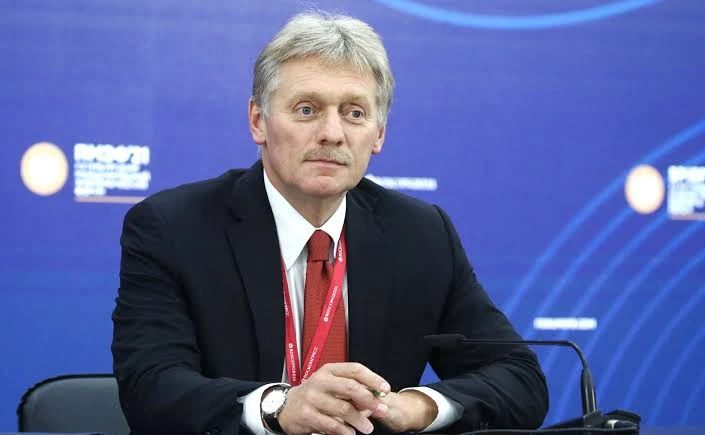
Kremlin spokesman Dmitry Peskov described those reports as ''scare stories'' about Russia and claimed they are part of a narrative promoted in the West. In statements released by the Russian state agency TASS, the official denied that Moscow has plans to launch an offensive against Polish territory or against other countries in the Atlantic Alliance.
Peskov's statements came in response to multiple reports published in Western media warning about the possibility that Russia could expand the conflict beyond Ukraine if military circumstances change in the future.
The spokesperson for the Russian government accused Western countries of inventing narratives accusing Moscow of non-existent acts
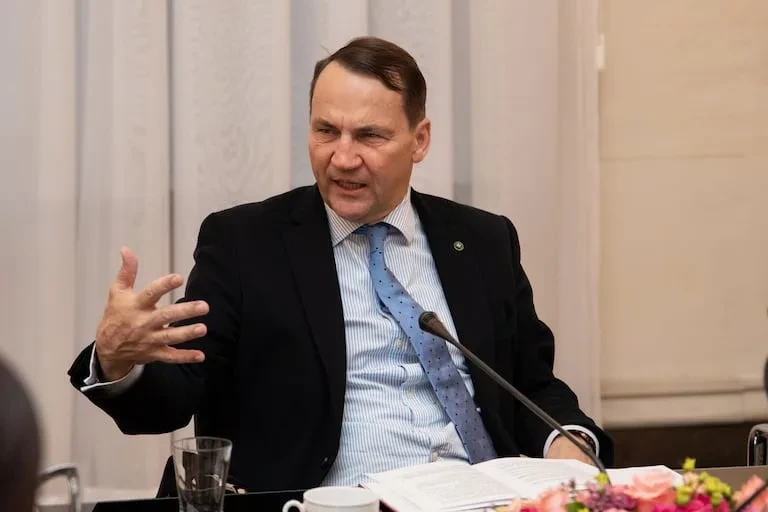
From Warsaw, however, authorities reacted cautiously. Poland's Foreign Minister and Deputy Prime Minister Radek Sikorski stated that the Kremlin's denials should be analyzed with caution, recalling that Russia also denied for weeks that it intended to invade Ukraine before the start of the military offensive in February 2022.
Through a message released by the Polish Ministry of Foreign Affairs on social media platform X, Sikorski maintained that as long as Ukraine continues to resist militarily and inflict losses on the Russian army, Moscow lacks the capacity to open a large-scale military front against the West, including Polish territory.
The chancellor added that this is precisely one of the reasons why Poland maintains its political and military support for Ukraine. However, he warned that Russia still has the capacity to carry out provocations or limited actions that could increase regional tension.
According to Sikorski, when Russian officials claim they will not attack Poland, they may be telling the truth because they have changed their plans after Western warnings, but there is also the possibility that they are simply hiding their true intentions. Therefore, he insisted that Warsaw cannot afford to let its guard down.
The Deputy Prime Minister of Poland assured that Russia lacks the means to open a new war front
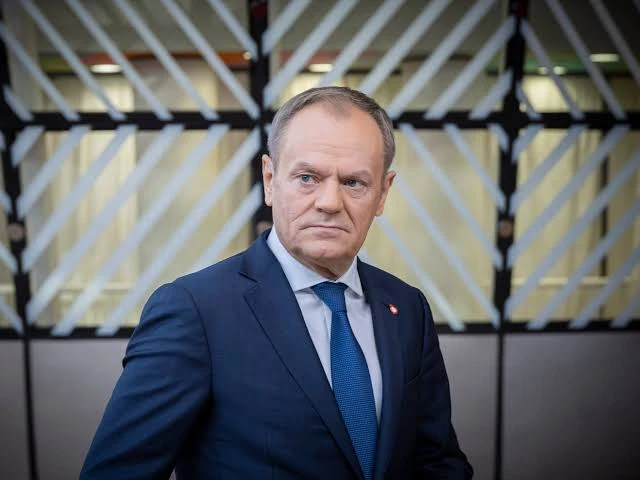
The concerns of the Polish government had already been expressed days earlier by Prime Minister Donald Tusk. On July 3, he noted that his administration is working intensively on various security scenarios developed from intelligence information shared with NATO allies.
Although Tusk clarified that he does not intend to generate alarm among the population, he acknowledged that the coming months could be particularly delicate for the region, especially for the Baltic countries, due to the evolution of the conflict in Ukraine and changes in the nature of the war.
In this context, during the early hours of July 6, the Operational Command of the Polish Armed Forces activated a preventive operation after detecting activity from long-range Russian bombers over Ukrainian airspace.
The Polish Prime Minister acknowledged a difficult situation in the Eastern European country in the coming months
Military authorities ordered the deployment of combat aircraft and raised the alert level of ground-based air defense systems and radars responsible for monitoring national airspace, especially in areas close to the border with Ukraine.
The command explained that the measures were strictly preventive and aimed to ensure the security of Polish airspace against any possible incident arising from Russian military operations.
Approximately two hours later, the Armed Forces reported that the operation had concluded and that all systems were returning to their normal activities, as no violations of Polish airspace were detected.
The military command also reported that the French Air Force collaborated in the air surveillance mission and thanked the Armed Forces of the Netherlands for the support provided through air defense systems deployed in Polish territory as part of NATO cooperation mechanisms.
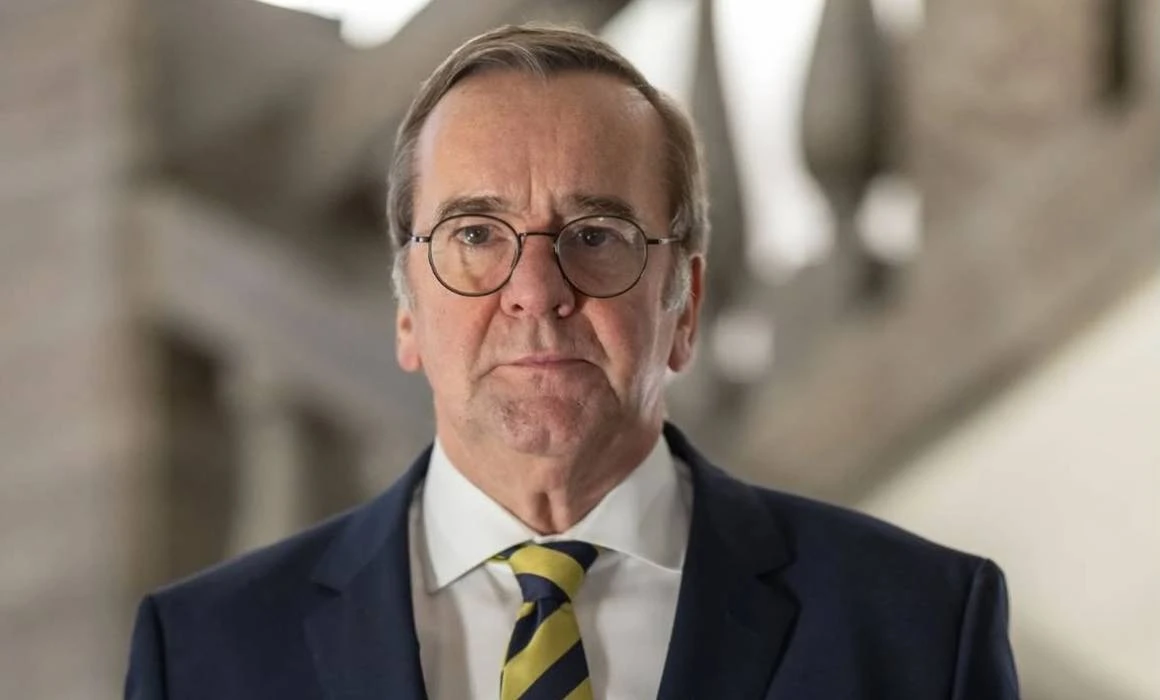
The German Defense Minister supported the close collaboration between Poland and NATO
Authorities reiterated that they continue to permanently monitor the situation in Ukraine and keep their forces in a state of readiness to respond to any eventuality that could affect national security.
Tensions coincide with the recent reorganization of NATO's military posture on the eastern flank. The alliance created a new multinational headquarters aimed at reinforcing the defense of the Baltic countries, complementing the existing structure in Szczecin, Poland.
The new command, jointly led by Germany and the Netherlands from the German city of Münster, will take over the coordination of forces deployed in Estonia and Latvia. German Defense Minister Boris Pistorius stated that the measure represents a visible demonstration of NATO's unity and its commitment to defend every inch of allied territory.
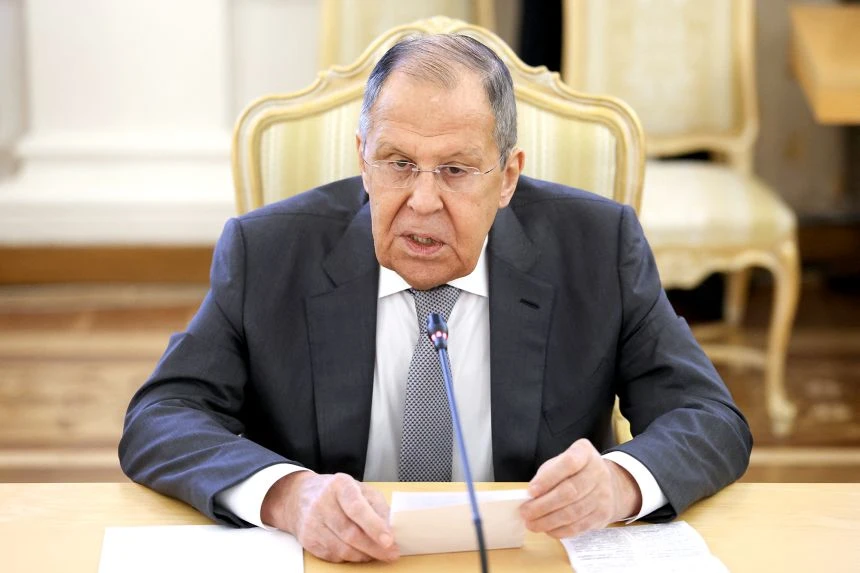
While NATO maintains that Russia could develop the capacity to attack allied territory in the coming years if it continues its current pace of rearmament, Moscow continues to reject those assessments. In February, Russian Foreign Minister Sergey Lavrov asserted that Russia has no interest in attacking Europe, although he warned that it would respond with all available military means if it considered that Russian territory is being attacked by European forces.
The Russian Foreign Minister clarified that Moscow has no intentions of launching an attack against European territory