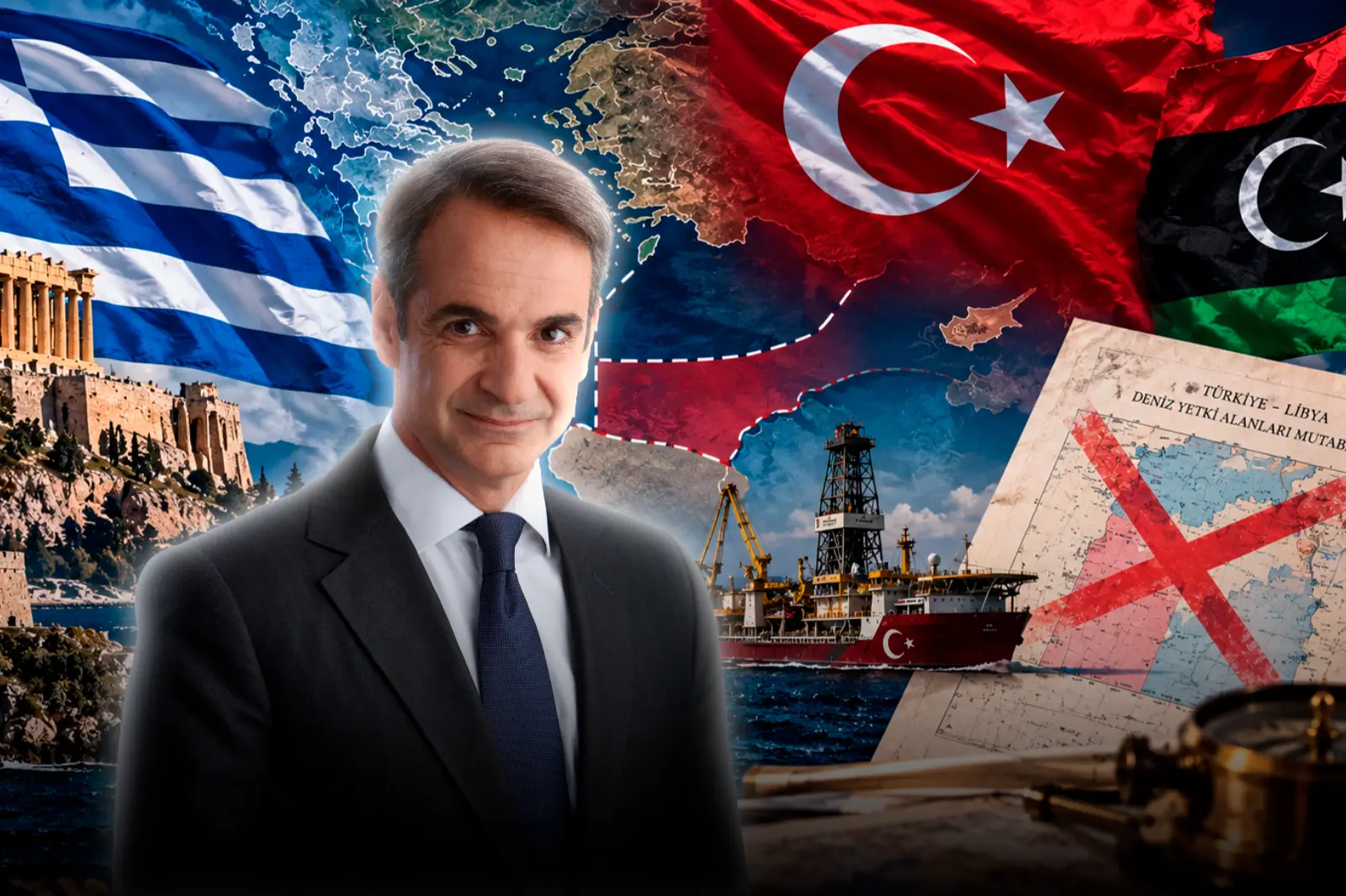
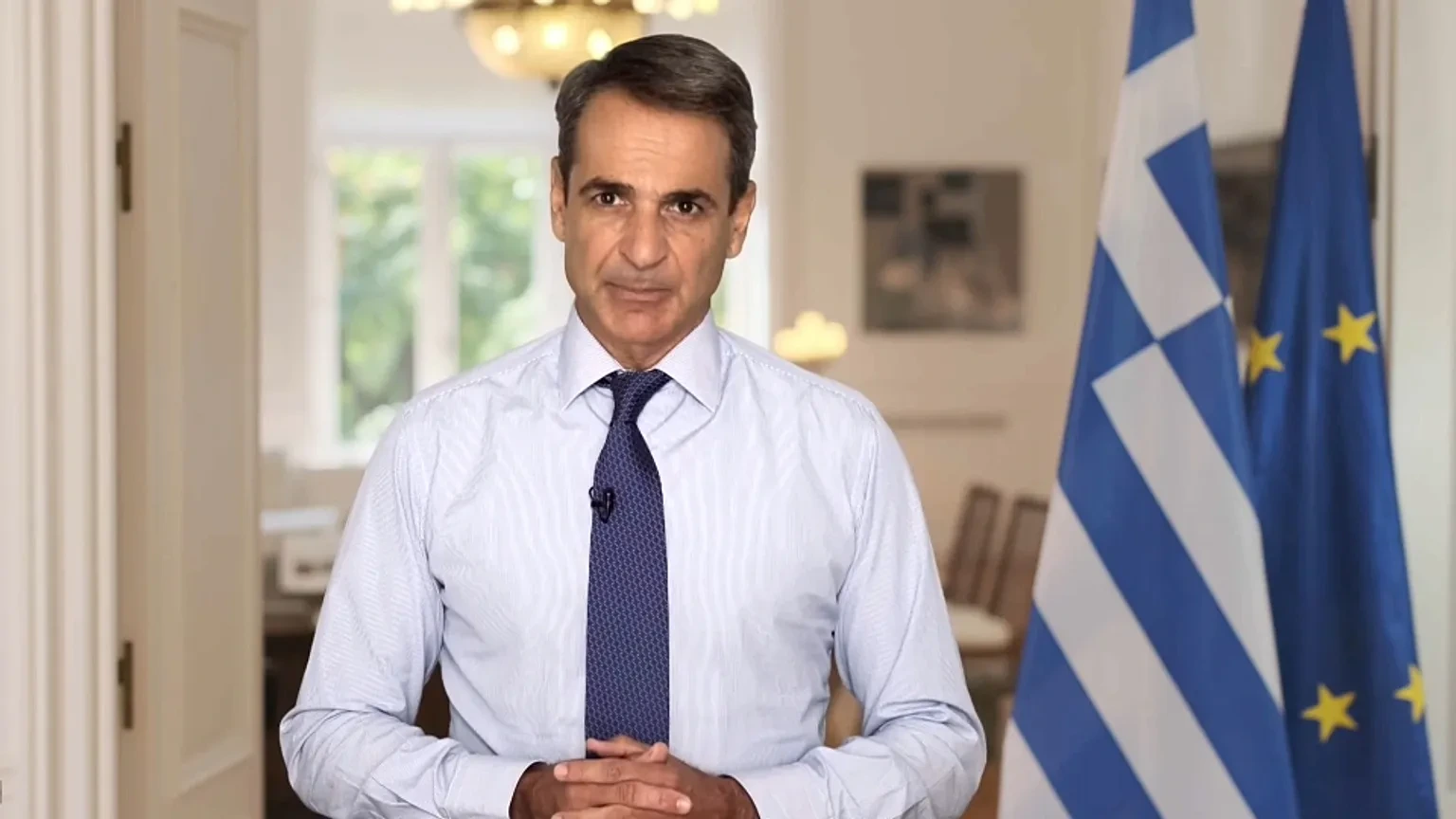
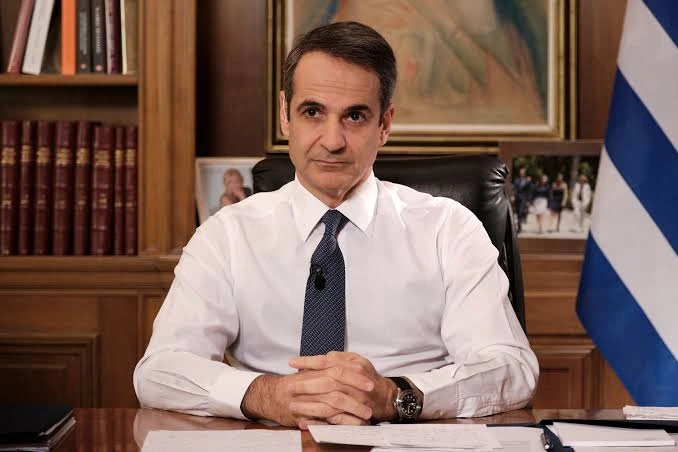
The Prime Minister of Greece, Kyriakos Mitsotakis, rejected on Thursday the maritime delimitation agreement between Turkey and the Parliament of eastern Libya, which he described as ''flagrantly illegal, null and void'', and accused both countries of deliberately ignoring the geography of the eastern Mediterranean and the maritime rights of the Greek islands.
In an interview, coinciding with the end of Greece's presidency of the United Nations Security Council, Mitsotakis also called for an urgent international truce to protect commercial navigation in the Black Sea, following the sinking of a Greek-owned container ship off the coast of Bulgaria.
The statements reflect Athens' growing concern over territorial disputes in the Mediterranean and attacks on commercial vessels on strategic routes for international trade.
The Prime Minister of Greece called the maritime delimitation agreement between the Libyan parliament and Turkey illegal
Greece denounces a violation of international law
The Parliament of eastern Libya approved last week a maritime delimitation agreement with Turkey, originally signed in 2019, provoking rejection from Greece, Egypt, Bahrain, and the United Arab Emirates. These countries consider that the pact threatens regional security and the international legal order.
''It completely disregards geography, the reality that there are Greek islands. They seem to completely disappear in the thinking of Turkey and Libya,'' Mitsotakis stated.
The leader accused Ankara and the Libyan authorities of attempting to impose facts on the ground without respecting the United Nations Convention on the Law of the Sea.
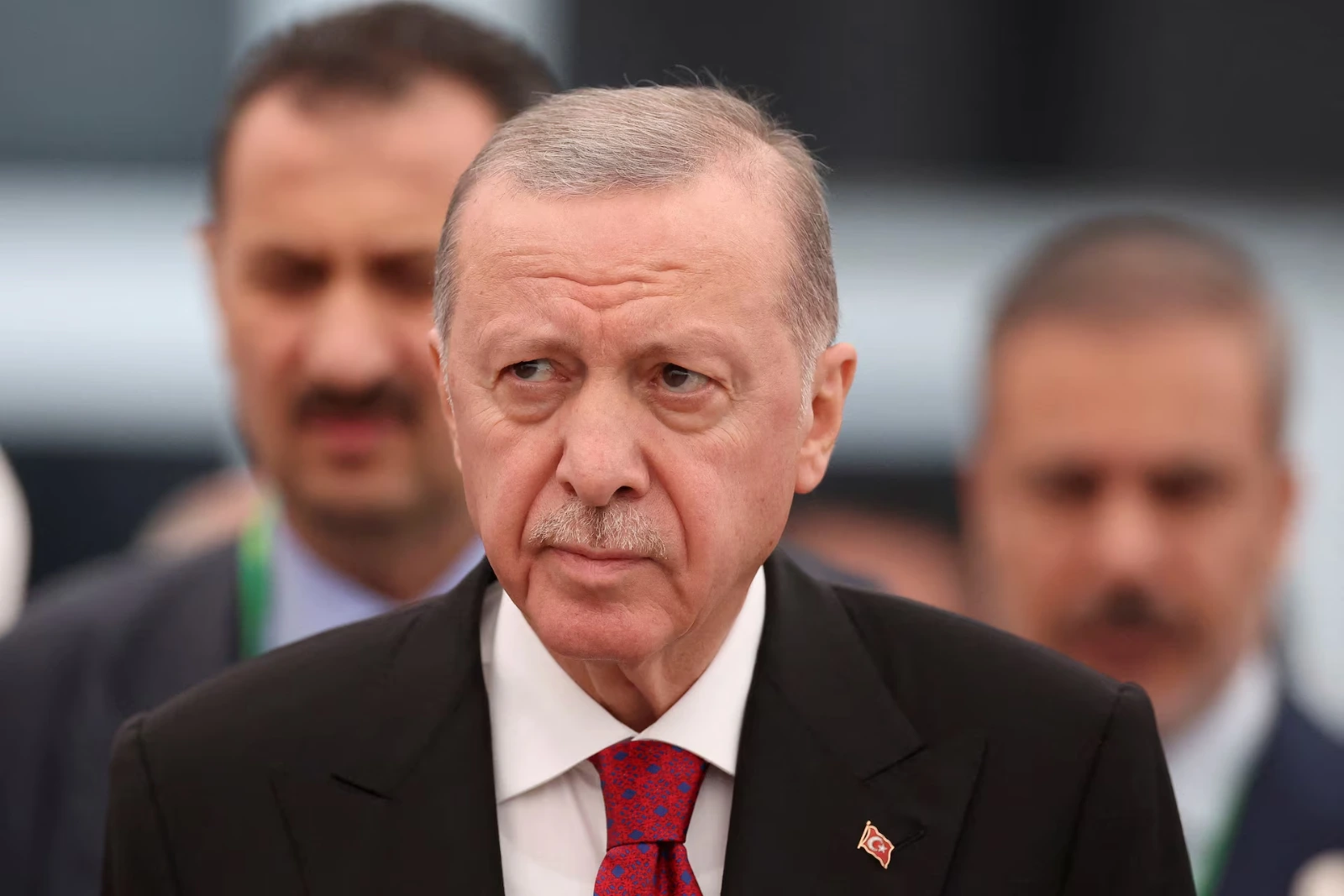
The president of Turkey defended the maritime agreement and dismissed the accusations of Greece and the European Union
For his part, Turkish President Recep Tayyip Erdogandefended the agreement and asserted that the objections from the European Union and other international actors lack legitimate grounds.
Since the original signing of the pact, Greece has granted a license to a consortium led by the American oil company Chevron to explore potential gas deposits off the coast of Crete. Mitsotakis assured that these activities are not threatened by the Turkish-Libyan agreement.
He also described Greece and Libya as natural neighbors and urged the Libyan authorities to negotiate directly with Athens the delimitation of their respective maritime zones.
Greece granted licenses to a Chevron-led consortium to explore gas fields off the island of Crete
The Greek Prime Minister also expressed concern over attacks on commercial vessels in the Black Sea, a scenario of increasing risks since the Russian invasion of Ukraine in February 2022.
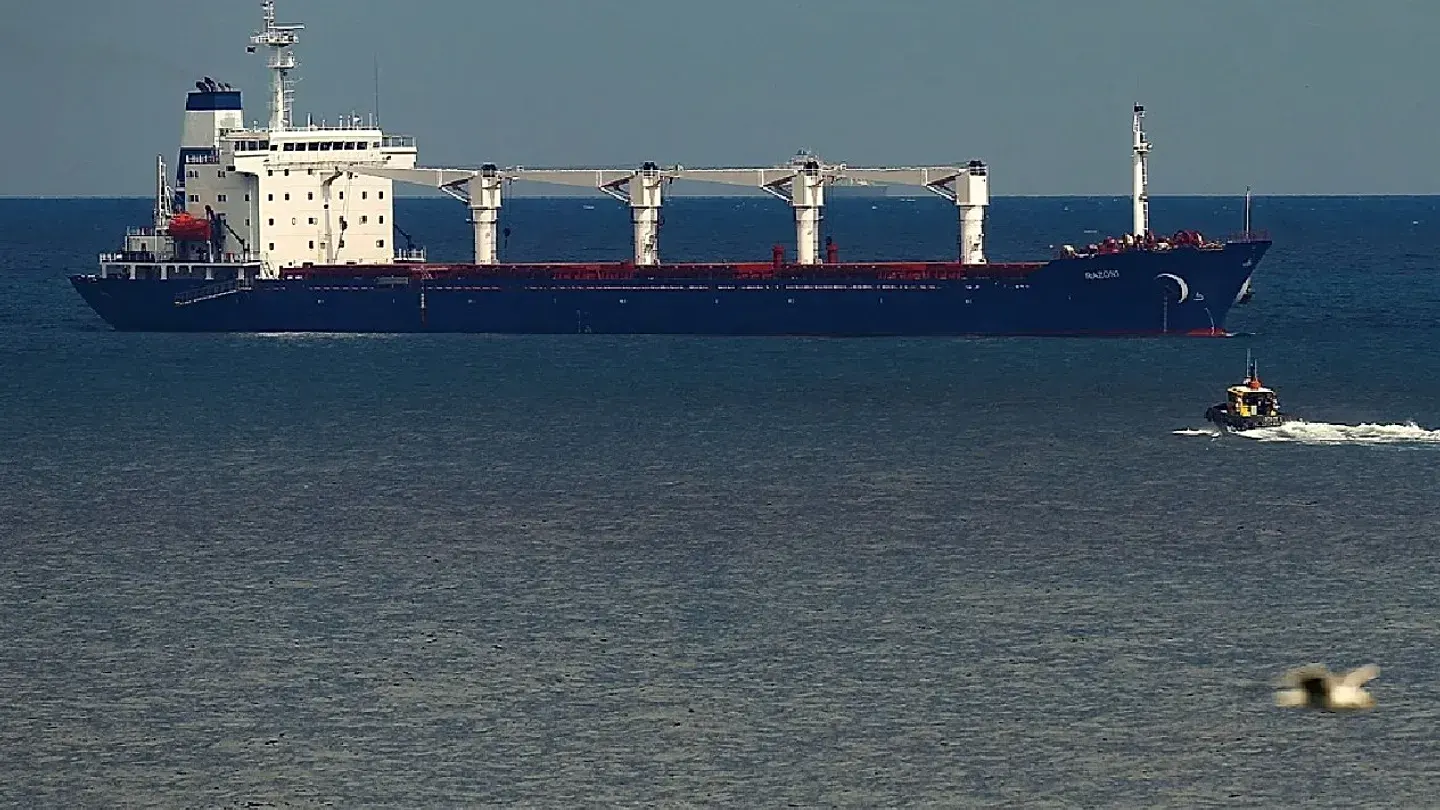
His statements came hours after a Greek container ship sank after being hit by naval drones off the coast of Bulgaria. The authorship of the attack had not been determined.
''We need some kind of international truce regarding freedom of navigation,'' Mitsotakis stated.
The leader emphasized that ensuring the export of grains from Ukraine is a priority for international food security. He explained that high insurance costs and the rental of vessels have hindered commercial operations in the region.
A Greek-flagged container ship was recently sunk off the coast of Bulgaria
He also warned that Ukraine is economically dependent on its agricultural exports and that large quantities of grains remain stored, at risk of deterioration.
Mitsotakis assured that Greek shipowners would be among the first to resume their commercial operations in the Black Sea if safe transit were guaranteed.
However, he stated that Russia does not currently seem interested in maintaining substantial negotiations to resolve the situation.
The Greek Prime Minister called for strengthening European military presence in the Red Sea
Mitsotakis also urged the European Union to expand its naval mission Aspides, created in 2024 to protect commercial navigation from attacks by Houthi terrorists from Yemen, backed by Iran.
The intensification of clashes between the Houthis and Saudi Arabia has affected oil supplies and increased the risk of regional escalation. The leader considered the current European military participation insufficient.
Greece, Italy, and France have contributed naval resources to the operation, which had six warships at the end of September, according to diplomatic sources.
Mitsotakis called for more European countries to contribute vessels and military capabilities to protect strategic trade routes. He argued that a greater presence would demonstrate to Gulf countries the European commitment to their security and ensure the protection of essential maritime corridors for continental trade.
Mitsoakis defended sanctions against Russia and called for strengthening the European military presence in the Red Sea
Greece maintains its support for sanctions against Russia
Finally, the Prime Minister reaffirmed Greece's support for economic sanctions against Moscow, despite U.S. President Donald Trump's decision to lift certain restrictions on Russian diesel exports this month.
Mitsotakis defended the need to maintain financial pressure on Russia while the war in Ukraine continues.
''We believe that we must exert economic pressure and impose greater financial costs on Russia to send a very clear signal that, as long as they prolong this war, they will suffer specific economic consequences,'' he concluded.