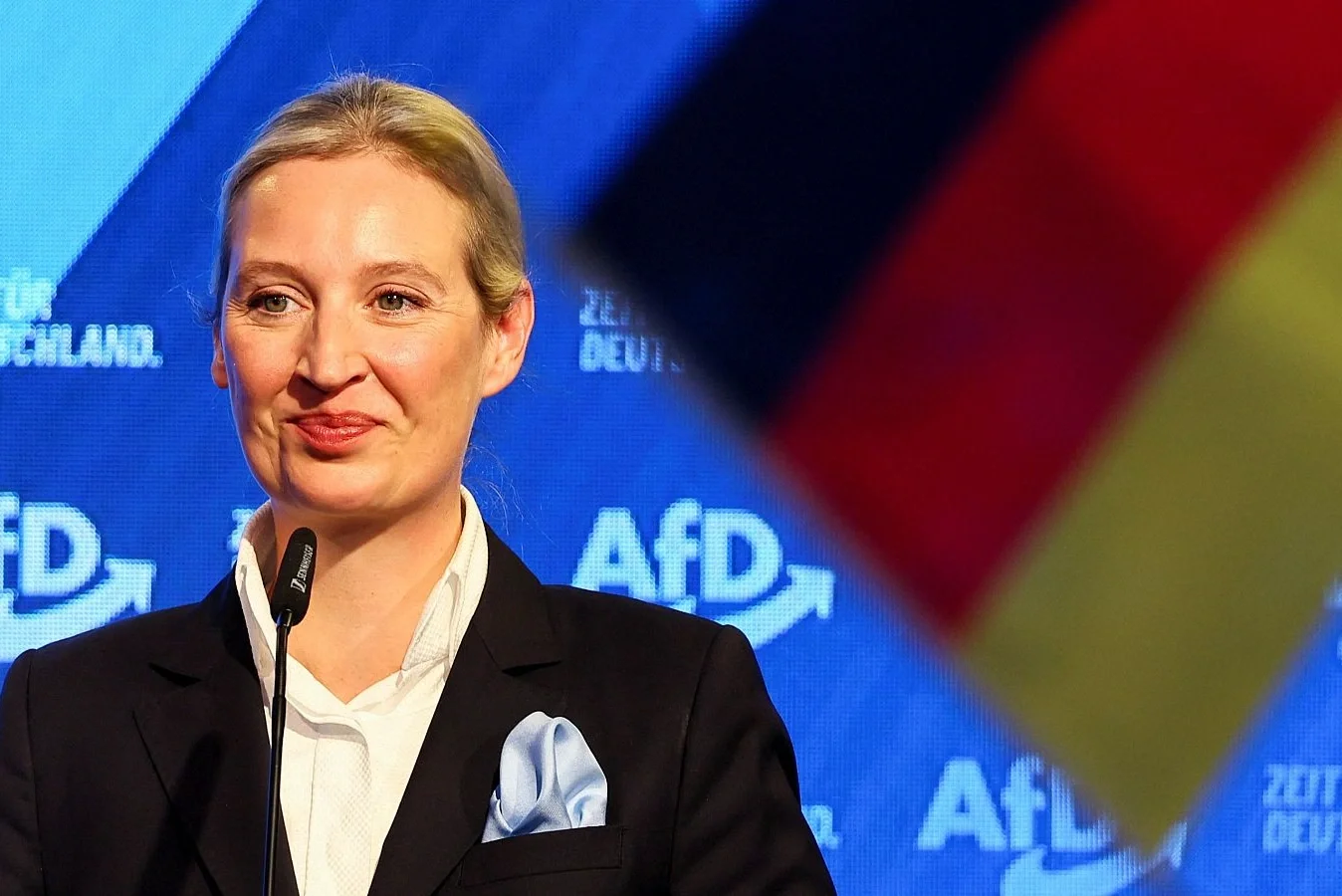
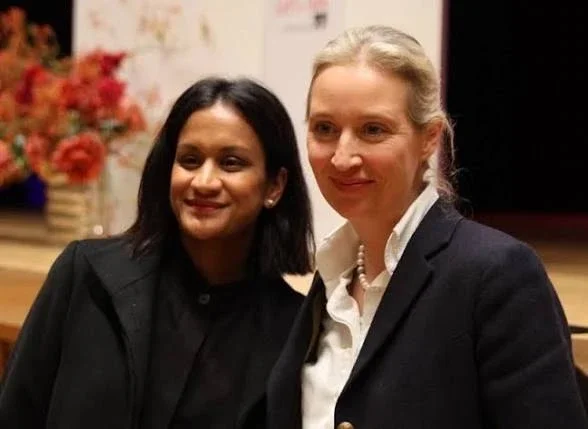
One of the most striking aspects is that the AfD's own leader, Alice Weidel, is openly lesbian and is in a relationship with a woman born in Sri Lanka. Although the party maintains conservative positions on various cultural issues, Weidel's presence has helped to break some traditional perceptions about the profile of its leaders and voters.
The electoral growth of Alternative for Germany (AfD) is not only transforming the German political landscape but is also generating unexpected changes in some sectors of the electorate. Among them appears a phenomenon that is receiving increasing attention: the rise in support from members of the LGBT community for the conservative and nationalist party.
Although for years much of the traditional media automatically associated LGBT voters with leftist parties, various surveys and testimonies show that there is a growing sector of LGBT individuals who are attracted to the proposals of the AfD, especially on issues related to security, illegal immigration, and the defense of certain cultural values in Europe threatened by Islamic invasion.
Alice Weidel with her partner
Furthermore, several gay voters believe that traditional parties have stopped representing their main concerns and feel that the left prioritizes identity debates while neglecting issues related to public safety and allows immigrants from Islamic societies with more conservative views on homosexuality to enter.
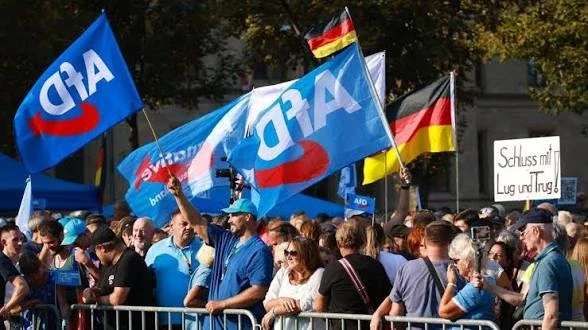
The phenomenon also appears amid the strong electoral growth of the party. In several regions of eastern Germany, the AfD leads polls with historic levels of support and has established itself as one of the main political forces in the country.
AfD voters celebrating victory in Saxony
This change reflects a broader transformation within some sectors of the European electorate, where issues such as illegal immigration, crime, border security, and freedom of expression are increasingly influencing political decisions, even among groups that traditionally supported progressive parties.
The growth of this LGBT sector favorable to the AfD shows how political identities are becoming more complex and less predictable than in previous decades. In an increasingly polarized Germany, the party continues to expand its electoral base beyond profiles traditionally associated with the conservative right.