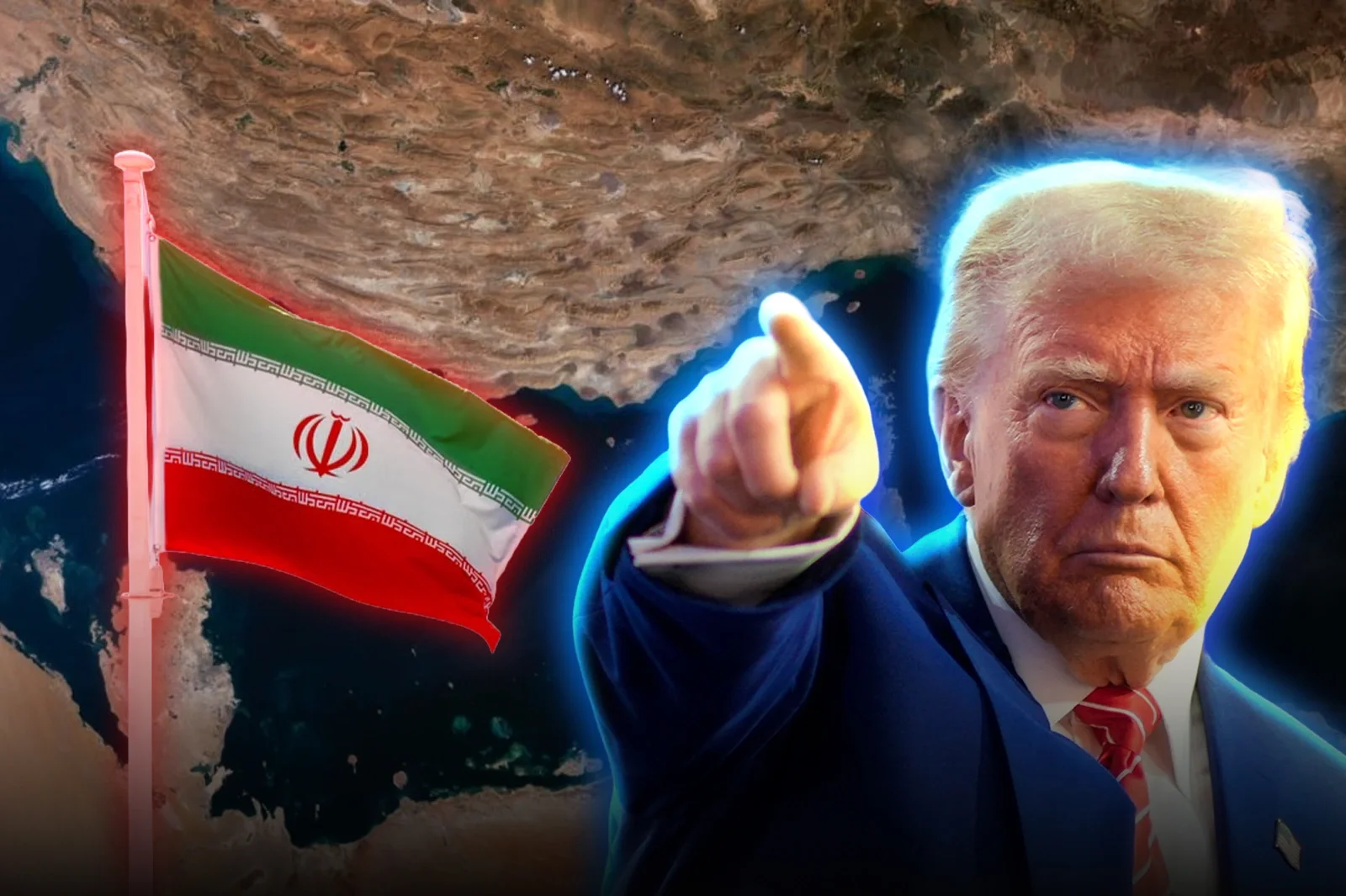
The tension between the United States and Iran has escalated again following signals from the Iranian regime to disregard the commitments made in the Memorandum of Understanding (MOU) signed with Washington regarding free navigation through the Strait of Hormuz. Tehran's stance threatens to erode the 60-day diplomatic truce promoted by U.S. President Donald Trump, who does not rule out revising the agreement if ongoing negotiations fail.
The memorandum, signed less than two weeks ago, establishes that the Islamic Republic of Iran must ensure, through its ''best efforts'', safe and cost-free transit for commercial vessels navigating between the Persian Gulf and the Gulf of Oman during the validity period of the pact.
The text also includes the removal of military obstacles, the demining of the area, and the opening of talks with the Sultanate of Oman to define a future management scheme for the strategic maritime passage in accordance with international law.
However, Iranian authorities have begun to hold a different interpretation of the agreement. Regime officials claim that Tehran retains the right to impose a toll system on all commercial vessels crossing the Strait of Hormuz, a position that contradicts the spirit of the memorandum and raises concerns in Washington.
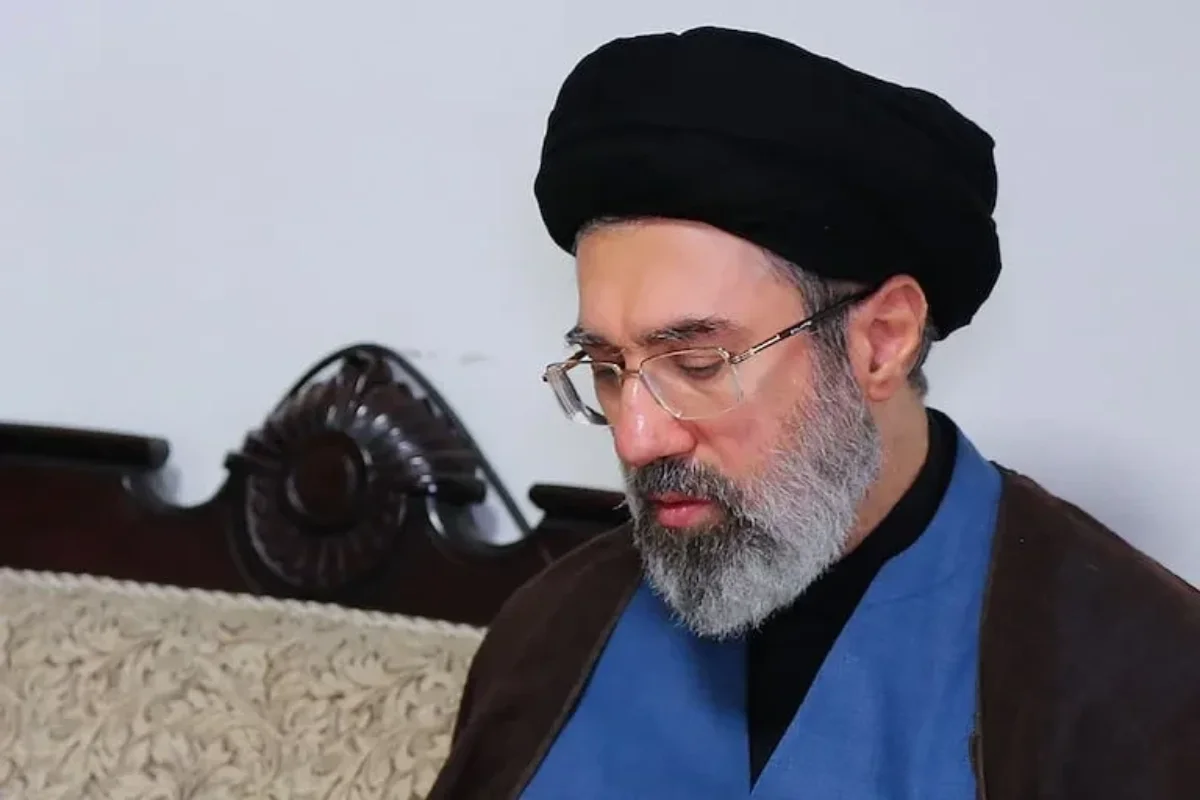
The Iranian regime of Mojtaba Jamenei disregarded the terms negotiated with the United States and threatened to cancel the truce
As part of that strategy, an Iranian technical mission traveled to Oman to advance the design of the eventual toll collection mechanism that would apply to maritime transit. The initiative was interpreted by the United States as an attempt to unilaterally modify the agreed conditions and consolidate greater Iranian control over one of the world's most important trade routes.
From the White House, there is also distrust regarding Oman's role as a mediator. Washington is said to have intensified diplomatic efforts to prevent Muscat from reaching an understanding with Tehran that legitimizes the establishment of tariffs or new restrictions in the strait.
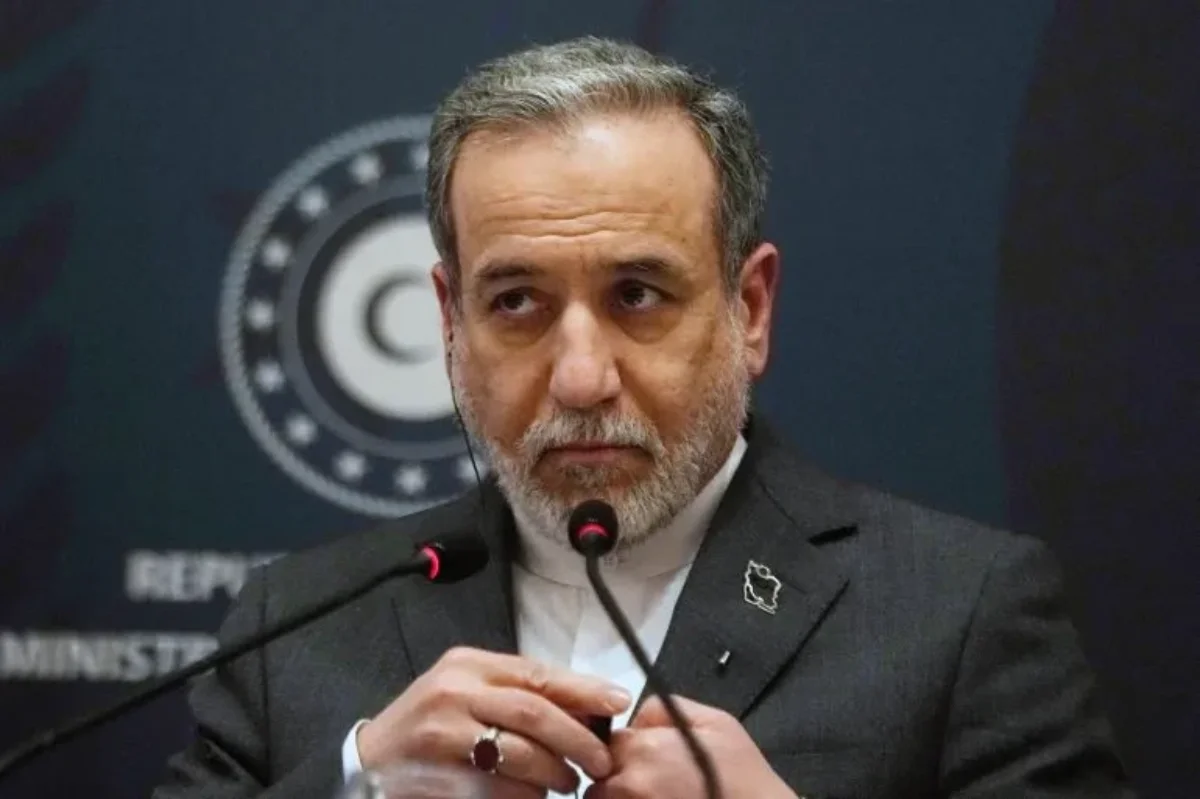
Meanwhile, the Iranian regime has hardened its rhetoric. Foreign Minister Abbas Araqchi asserted that responsibility for the Strait of Hormuz exclusively belongs to Iran and maintained that no other state has jurisdiction over that maritime route.
The statements were interpreted as a new demonstration of the pressure policy that the regime exerts over a strategic area through which a significant portion of global energy trade transits. Various analysts believe that control of the strait remains one of Tehran's main tools to obtain diplomatic and economic concessions from the West.
The chancellor of the Iranian regime attempted to defend with weak arguments Tehran's sovereignty over the Strait of Hormuz
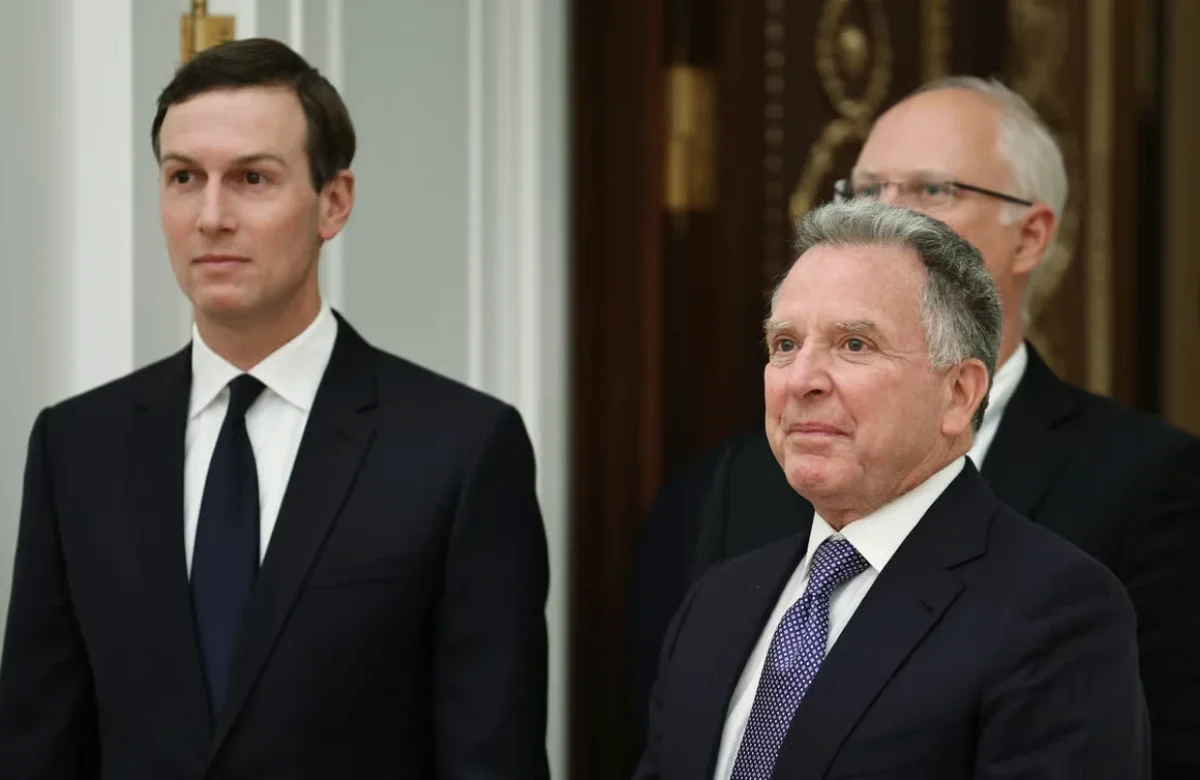
Despite the rising tension, Trump keeps the dialogue channel open. The president announced that his special envoy for the Middle East, Steve Witkoff, and his advisor Jared Kushner would travel to Doha, Qatar, to continue the conversations with Iranian representatives.
''Iran has requested a meeting. It will take place tomorrow in Doha,'' Trump wrote on his social media platform Truth Social, reflecting his expectation of advancing negotiations before the truce period expires.
However, Tehran's response once again highlighted the differences between both parties. The spokesman for the Iranian negotiating team, Esmaeil Baghaei, denied that there is a formal meeting scheduled with U.S. officials and stated that the Iranian delegation will travel to Qatar only to discuss the unlocking of Iranian funds held by Washington.
Steve Witkoff and Jared Kushner are heading to Qatar for meetings to advance a lasting peace agreement
The contradiction between the announcements from both capitals reflects the difficulties facing the diplomatic process. While the United States insists on preserving free navigation through Hormuz and moving towards dismantling the Iranian nuclear program, the regime continues to prioritize its financial demands and reaffirm its control over the strait.
The Iranian regime's attitude, marked by contradictory messages and new demands while continuing to assert exclusive control over a globally significant maritime route, once again fuels doubts about its willingness to fulfill the international commitments made.