China
Japan
Pakistan
and now European countries
have already initiated discussions to ensure the transit of their commercial vessels.
The Iranian regime also clarified that it will not allow passage to operators linked to U.S. military initiatives aimed at escorting commercial ships.
China emerges as one of the main beneficiaries
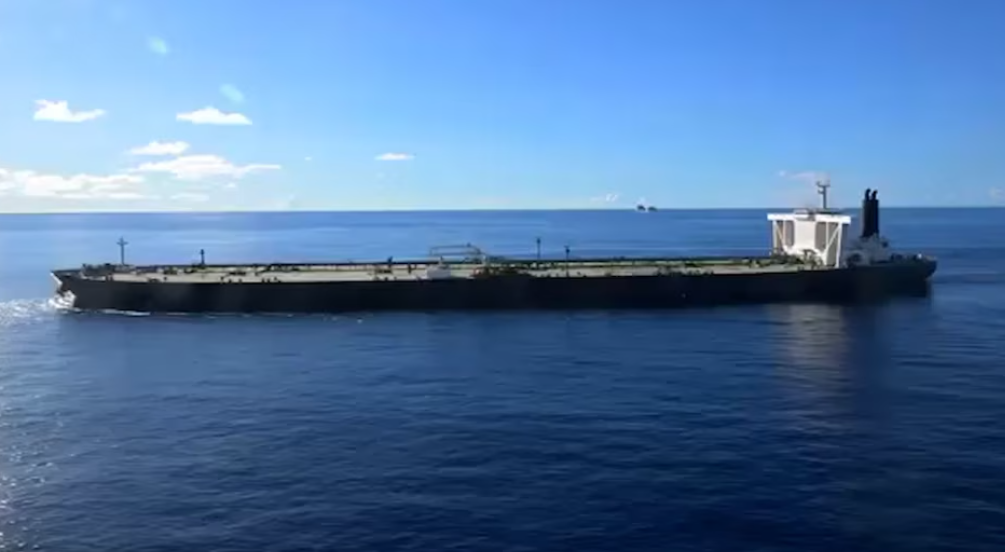
Iran confirmed this week that more than 30 Chinese ships have already crossed the strait under special agreements reached with Beijing.
China remains the main buyer of Iranian oil and one of Tehran's most important strategic allies amid the regional conflict.
Meanwhile, the United States maintains its own naval blockade over Iranian ports and continues to demand the total and free reopening of the strait.
Hormuz transforms into the great axis of Iranian pressure
Partial control over Hormuz has become one of the main instruments of geopolitical pressure of the Iranian regime against the West.
Tehran now uses the maritime corridor to:
negotiate sanctions relief
strengthen its diplomatic position
obtain economic revenues
condition global energy trade
The formal creation of the Persian Gulf Strait Authority also marks a new step in Iran's strategy to institutionalize control over one of the planet's most sensitive maritime routes.