In parallel to the tensions in the Gulf, violence also continues on the border between Israel and Lebanon. This Thursday, a drone launched by Hezbollah exploded in Israeli territory, leaving three civilians injured, two of them seriously, according to the Israeli army.
The attack occurred despite the ceasefire reached on April 17 with U.S. mediation. Since then, Israel and Hezbollah have maintained almost daily exchanges of fire and bombings on both sides of the border.
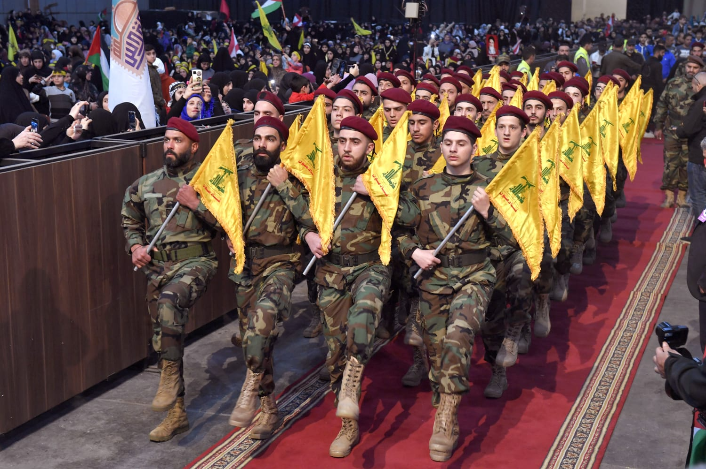
The Lebanese Shiite militia, politically and militarily backed by Iran, has used drones and rockets against Israeli positions and towns in northern Israel. In response, the Israeli air force has intensified bombings on various areas of southern Lebanon.
The terrorist armed group Hezbollah has launched repeated attacks against the civilian population in Israel in recent days.
The United Nations also denounced drone attacks near its peacekeeping forces deployed in Lebanese territory. UN Secretary-General António Guterres urged both parties to respect the ceasefire and avoid further military actions that could further escalate the conflict.
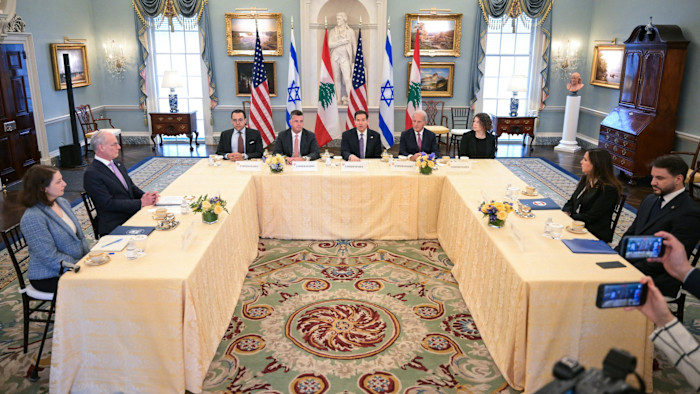
Meanwhile, representatives from Israel and Lebanon are scheduled to participate in a new round of direct talks in Washington, driven by the Trump administration. The goal of the United States is to try to reduce tensions and prevent a regional expansion of the war.
However, international analysts believe that the chances of stabilization remain limited as long as the indirect confrontation between Iran and Israel continues. Tehran maintains close ties with armed groups like Hezbollah and other organizations present in the region, a situation that Israel and its allies consider a permanent threat to regional security.
A new round of talks between Israel and Lebanon will take place in Washington in the coming days.
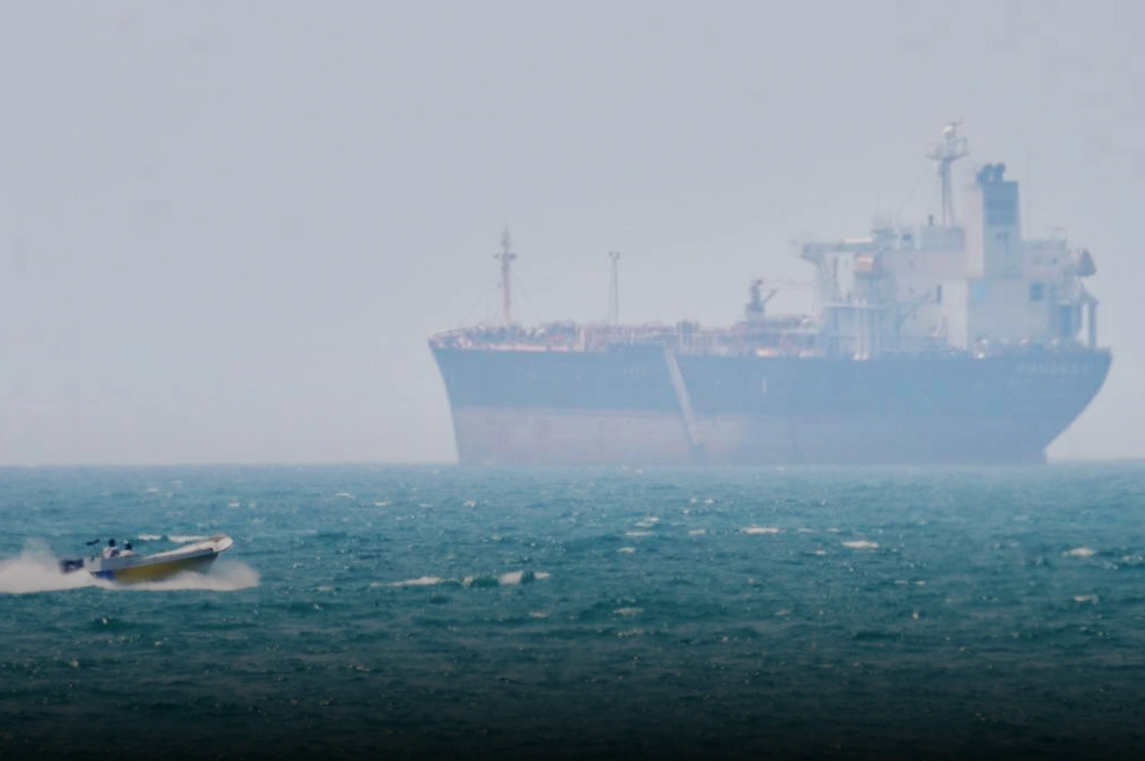
Tension in the Middle East has risen again after a ship anchored off the east coast of the United Arab Emirates was hijacked and forced to head towards Iranian waters, according to the British maritime trade operations center (UKMTO) reported this Thursday. The incident occurred near the strategic Strait of Hormuz, one of the world's most important maritime routes for the transport of oil and gas.
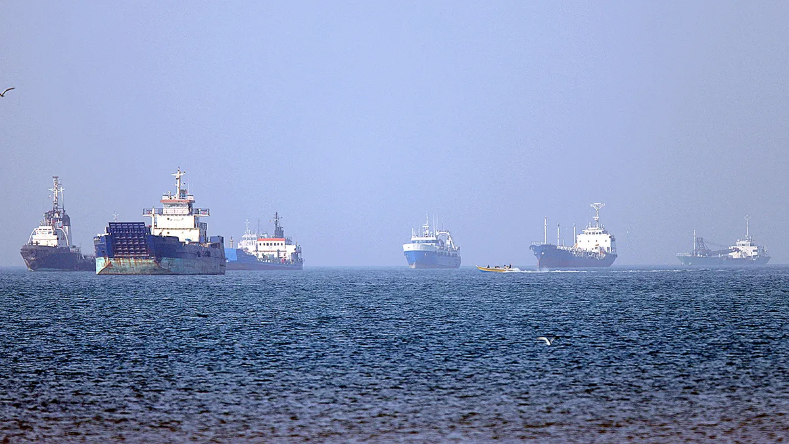
According to the British report, the vessel was anchored about 70 kilometers northeast of the port of Fujairah when it was boarded by unauthorized individuals. Authorities did not disclose the name of the vessel nor officially identify those responsible, although the episode occurs amid a growing regional escalation linked to Iran and its allies.
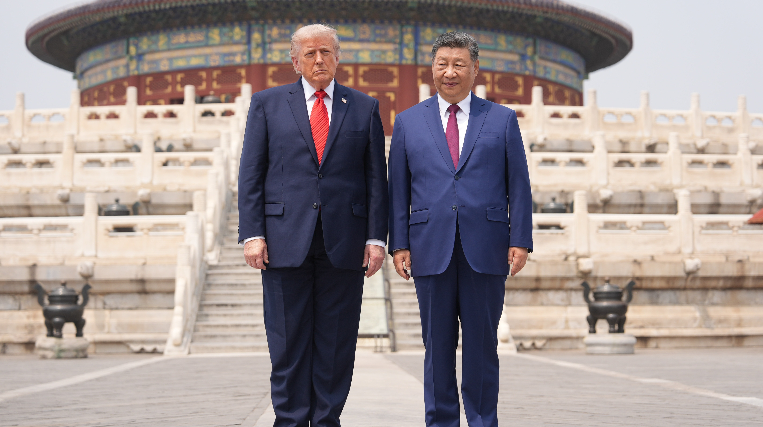
The seizure took place while U.S. President Donald Trump was holding a key meeting in Beijing with Chinese leader Xi Jinping. Among the main topics of the meeting were precisely the war with Iran and its effects on global energy trade, affected by tensions in the Persian Gulf and instability in the Strait of Hormuz.
The Iranian terrorist regime hijacked a ship that was anchored off the coast of the United Arab Emirates.
The region is going through one of its most delicate moments in recent years. The strait is considered a critical point for the global economy, as about 20% of the oil traded in the world passes through it. Any disruption in this maritime route generates immediate concern in international markets and raises the risk of an energy crisis.
The port of Fujairah, close to the site of the incident, also constitutes a strategic infrastructure for the United Arab Emirates, serving as one of the main oil export centers outside the Persian Gulf. In recent months, facilities and vessels linked to that area have been targets of attacks and sabotage related to the regional conflict.
The hijacking of the ship occurs just days after Iran confirmed the capture of the tanker Ocean Koi. According to the state agency IRNA, the vessel was intercepted in the Gulf of Oman under accusations of harming Iranian oil interests. However, the United States had previously sanctioned the ship for being part of a clandestine fleet used to transport Iranian oil in violation of international restrictions.
The terrorist act occurred while the meeting between Donald Trump and Xi Jinping was taking place.
The succession of maritime incidents has increased Western criticism of the Iranian regime, accused for years of using naval operations, allied militias, and indirect military pressure to expand its regional influence. Western governments believe that Tehran frequently resorts to intimidation tactics in strategic maritime routes as a form of political and economic pressure.