The Tehran regime is seeking a diplomatic solution through Qatar, but maintains the threat of military reprisals and escalates regional tension with warnings about its nuclear program
Representatives of the Iranian terrorist regime held talks this Saturday in Doha with mediators from Qatar to explore possible ways out of the conflict in the Persian Gulf, as concerns grow over a potential resumption of U.S. attacks once the midterm elections in the United States are concluded.
According to a source informed about the negotiations, who spoke on condition of anonymity, the contacts in the Qatari capital occurred after more than 12 hours of discussions between Iranian and Qatari envoys on Friday in Tehran. The efforts are being coordinated through regular contacts with Washington, in an attempt to avoid a new military escalation.
The U.S. president, Donald Trump, has not yet decided whether to order new attacks against Iran, although his Secretary of State, Marco Rubio, stated on Saturday that the president would prefer to resolve the conflict through diplomacy.
Trump has suspended new military operations in recent weeks, amid the proximity of the midterm elections, which will determine whether the Republican Party retains its majorities in both chambers of Congress.
However, several Middle Eastern countries fear that Washington will resume military actions once the voting is over. The uncertainty increases due to the repeated threats from Tehran to respond to any attack on its territory with reprisals against U.S. and Israeli targets in neighboring countries.
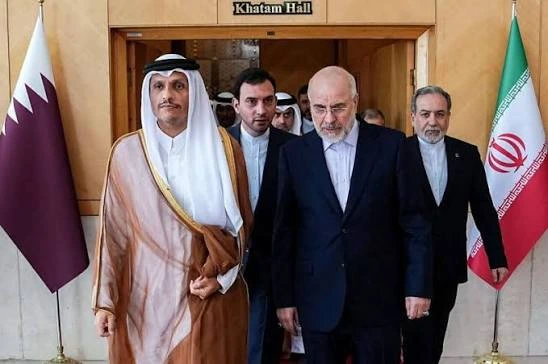
Representatives of the Iranian regime met with the Qatari authorities seeking a negotiated solution to the war.
In parallel with the negotiations, the Iranian supreme terrorist leader, Mojtaba Jamenei, issued a statement on Saturday in which he ordered the Armed Forces to remain prepared to respond to any aggression.
''Any level or type of threat must receive an immediate, forceful, and geographically unrestricted response,'' warned Jamenei in a message posted on his official Telegram account.
The statement represents a new signal of hardening from the Iranian authorities, who combine diplomatic contacts with explicit warnings to expand the scope of a potential confrontation.
The dictator stated that senior military commanders had informed him about the high level of readiness of the forces deployed on the coast of the Persian Gulf, the Strait of Hormuz, the Gulf of Oman, and the northwestern and southeastern borders of the country.
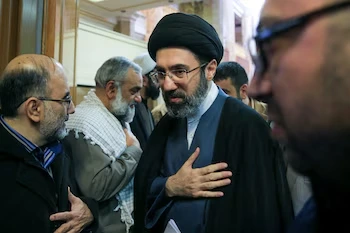
Since he replaced his father, who was eliminated at the beginning of the war, Mojtaba Khamenei has not appeared publicly. His physical absence has not prevented him from continuing to issue directives and threats through official statements.
Iranian military authorities also announced that they were adopting new measures to increase their response capacity to possible U.S. or Israeli operations.
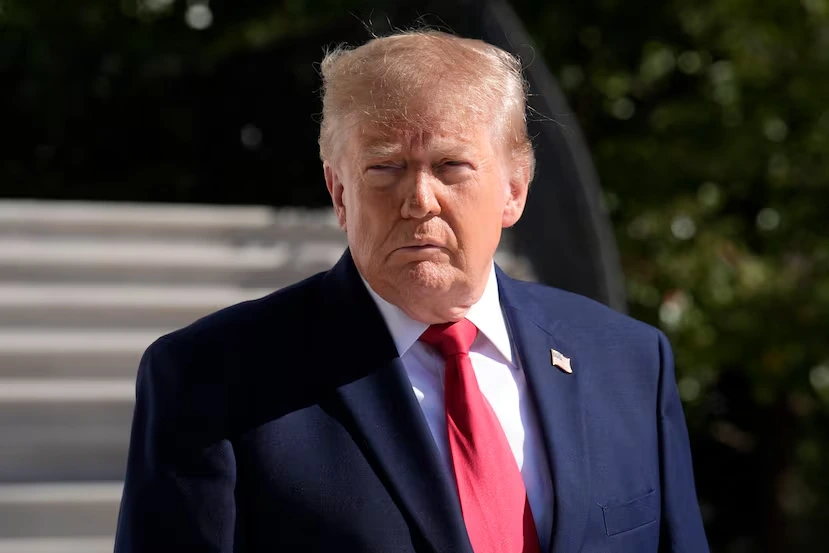
President Donald Trump did not confirm if he would order more attacks against the Islamic dictatorship, while Marco Rubio assured that the president prefers a diplomatic solution
Tehran raises the nuclear threat again
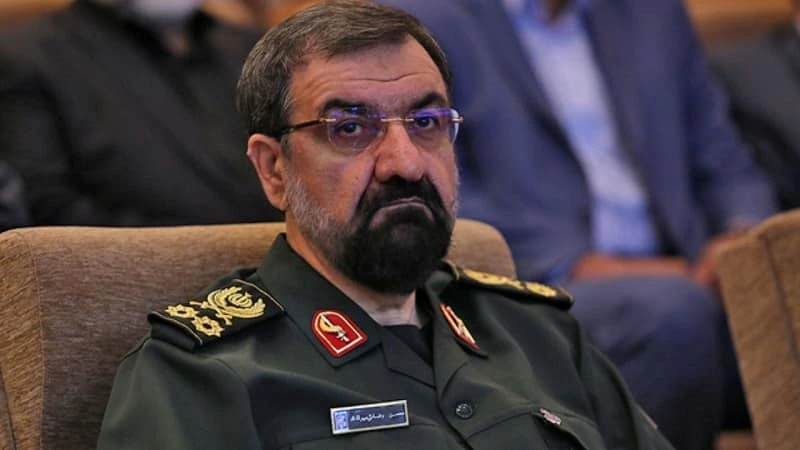
International concern increased after Mohsen Rezaei, one of the most influential figures in the Iranian security apparatus, revealed that Tehran is debating the possibility of abandoning its historical prohibition on developing nuclear weapons if hostilities resume.
Although Rezaei clarified that no decision has been made yet, his statements expose the willingness of sectors of the regime to use the nuclear issue as a pressure tool against Washington. The official also stated that there will be no negotiations on the Iranian nuclear program as long as the United States does not accept Tehran's demands.
The warning reinforces the doubts about the true willingness of the regime to reach a lasting agreement. While seeking intermediaries to avoid new attacks, it maintains conditions that could hinder any understanding and continues to use its military capabilities as a mechanism of intimidation.
For now, Qatar is trying to facilitate a diplomatic exit, while Washington keeps the possibility of resorting to military force open again. The outcome will depend on whether Tehran is willing to accept concrete compromises or if it will continue to bet on pressure and confrontation to preserve its regional influence.
A senior Iranian military official said that Tehran is considering moving forward with its plans to develop a nuclear weapon.