Thus, Netanyahu faces difficulties in regaining the support of all his former allies, although he maintains a parliamentary base of 53 seats and continues to serve as prime minister until a new executive is formed.
Internal vetoes complicate Eisenkot's plans to displace Netanyahu
One of the main problems for Eisenkot is that his opposition bloc also lacks a common strategy to form a government coalition.
The four Jewish formations that make up his alliance secured 48 seats in the elections. To reach the necessary 61, the leader needs to negotiate with other parliamentary spaces and resolve the differences among his potential partners.
The support from the Arab formations allowed him to surpass that threshold in the presidential recommendations, but did not resolve the underlying problem. Eisenkot still needs to demonstrate that he can build a majority that functions beyond the initial vote.
Herzog himself acknowledged the difficulties during his appearance on Thursday. The president warned of the existence of mutual vetoes between the blocs and also within each political space, a situation that prevents clearly determining who has the greatest chances of forming a stable government.
Differences over mandatory military service for ultra-Orthodox individuals, the participation of Arab parties, and the distribution of responsibilities within the next executive will be decisive during negotiations.
Herzog will announce on Sunday who will have the opportunity to form a government
The Israeli president is expected to communicate his decision on Sunday, November 8, after holding additional conversations with political leaders to assess the real possibilities of each candidate.
Israeli legislation does not stipulate that the president must automatically choose the leader who has received the most recommendations. His responsibility is to designate the parliamentarian he considers most likely to achieve a majority in the Knesset.
Once entrusted, the candidate will initially have 28 days to negotiate a coalition, with the possibility of requesting an extension of another 14 days.
If he fails to gather the necessary support, the procedure includes new instances to attempt to designate another parliamentarian. If negotiations fail, Israel could face a political deadlock scenario again.
The new Knesset is scheduled to be constituted on Tuesday, November 10. Meanwhile, Netanyahu will continue to lead the acting government.
Thus, although Eisenkot achieved a considerable advantage in the presidential consultations, he still needs to resolve the contradictions within his own space and turn the recommendations received into concrete parliamentary agreements. Netanyahu retains the leadership of Likud and a base of 53 deputies, while his main rival depends on an opposition alliance that has yet to demonstrate that it can govern united.
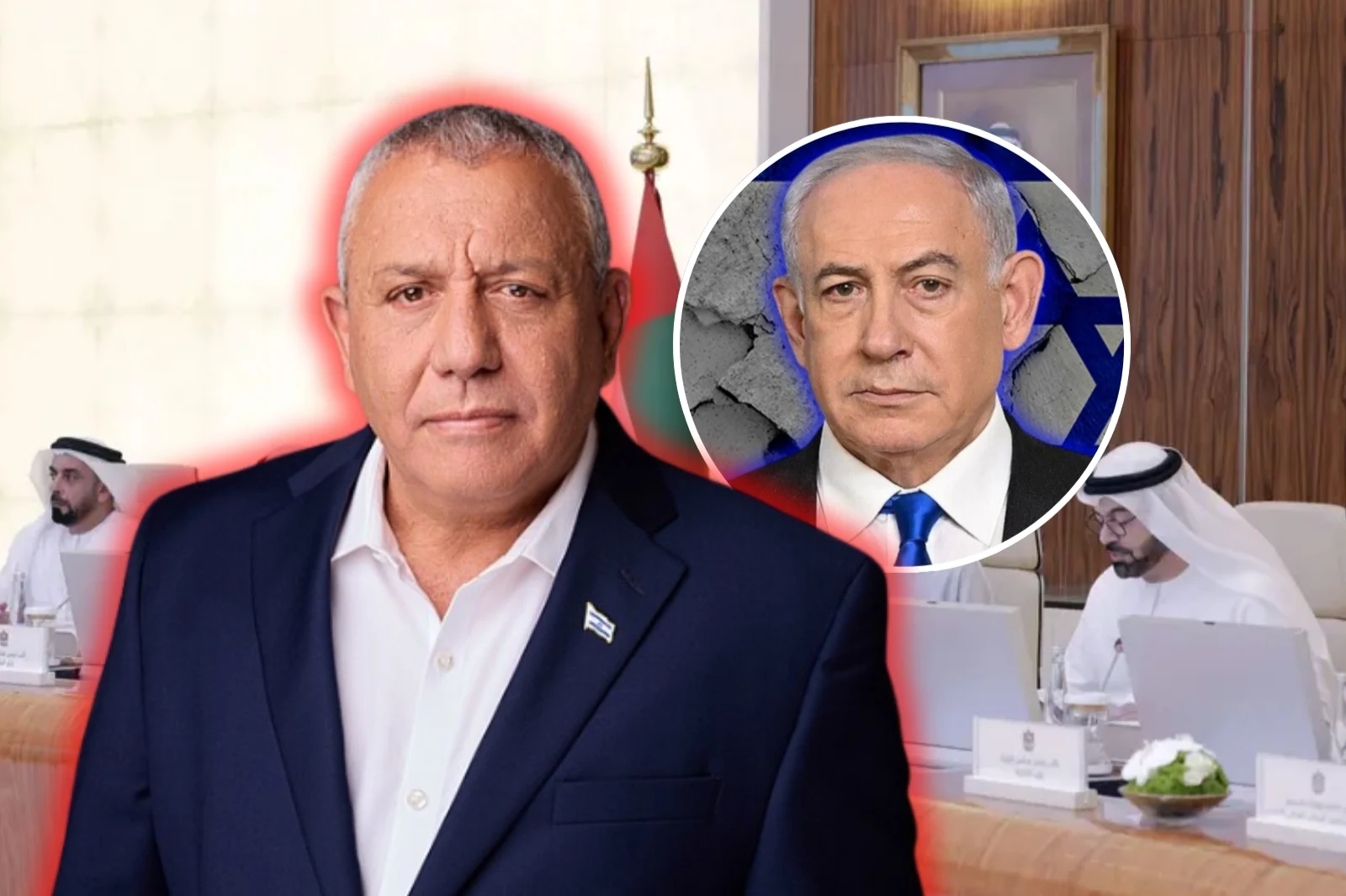
The dispute over the political future of Israel has entered a decisive stage after President Isaac Herzog concluded consultations with the parties that will make up the new Knesset. Opposition leader Gadi Eisenkot received 67 parliamentary recommendations to attempt to form a government, compared to the 46 that supported current Prime Minister Benjamin Netanyahu. However, the numerical advantage has not yet translated into a political majority capable of guaranteeing a new executive.
The result left a particularity that conditions Eisenkot's aspirations: a significant part of his advantage comes from the support of Arab parties, which seek to prevent Netanyahu from continuing in power. Although the opposition leader does not yet have an agreement to share government with them, their recommendations were decisive in surpassing the current prime minister in the presidential consultations.
On his part, Netanyahu retains the leadership of Likud, the most voted individual force in the elections of October 27, and continues to head the acting government while negotiations progress. Herzog will announce on Sunday, November 8, to whom he entrusts the first opportunity to form the next executive.
Eisenkot receives 67 recommendations thanks to the support of Arab parties
The presidential consultations concluded with 67 deputies recommending Eisenkot and 46 backing Netanyahu, while another seven parliamentarians decided not to support either candidate.
The result represents a 21-recommendation advantage for the former chief of staff of the Israel Defense Forces. However, reaching that number does not mean that Eisenkot has guaranteed the necessary votes for an investiture or that all the formations that supported him are willing to join his government.
A decisive part of that support came from the Arab parties, which totaled 19 seats in the elections. Both the Joint List and Ra'am recommended Eisenkot to Herzog, in a decision aimed at preventing Netanyahu from continuing in power.
The problem is that the leader of Yashar has so far ruled out forming a coalition with those groups. Therefore, he will need to find a parliamentary formula that allows him to leverage their recommendations without compromising agreements with the other parties in his space.
The opposition managed to gather more recommendations than Netanyahu, but still needs to explain how it intends to transform the support of the Arab parties into an effective parliamentary majority.
Netanyahu retains leadership of Likud and maintains 53 seats in his bloc
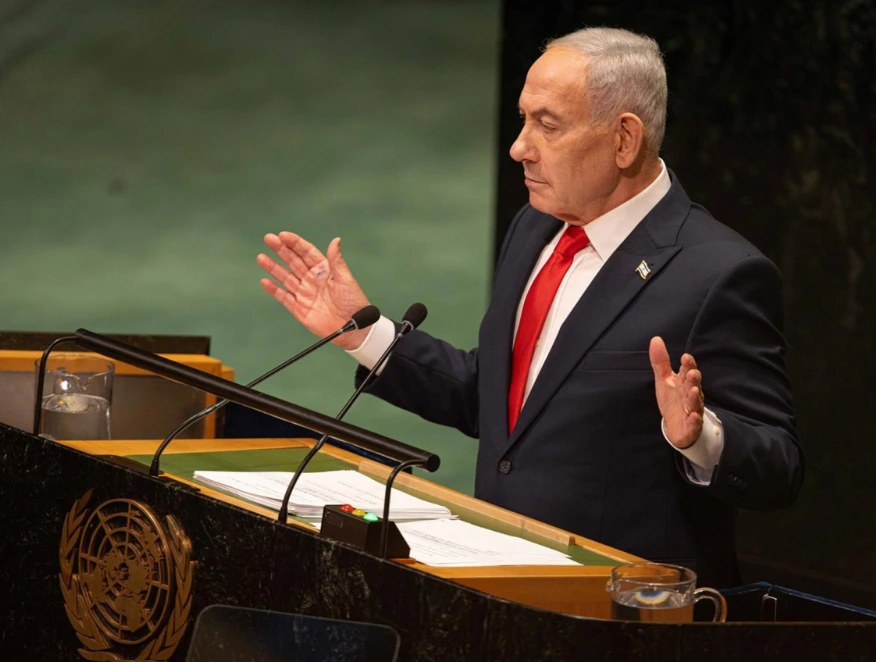
Despite the difficulties in reaching a majority, Netanyahu remains the leader of the most voted individual political force in the elections of October 27. Likud obtained 27 seats in the new Knesset, while its religious and nationalist allies secured another 26, reaching a total of 53 parliamentarians.
Netanyahu retains the leadership of Likud and maintains 53 seats in his block
The difference between the 53 seats in his bloc and the 46 recommendations received during the consultations is mainly explained by the decision of United Torah Judaism, an ultra-Orthodox formation with seven deputies that chose not to recommend any candidate.
The rift is related to differences over the legislation regulating military service exemptions for ultra-Orthodox students. This issue generated strong tensions during the previous government and continues to be one of the main obstacles to rebuilding parliamentary agreements.