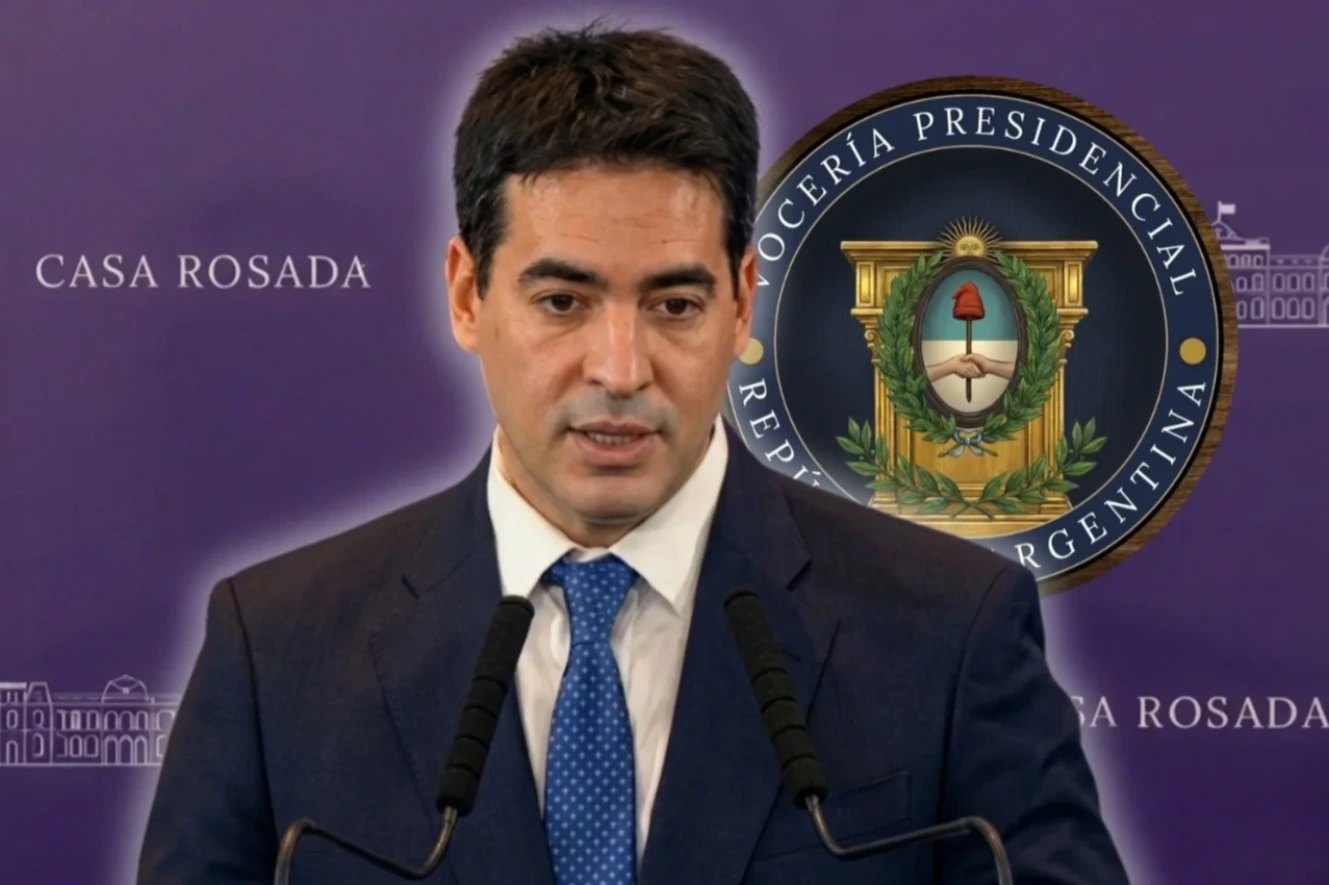

Julia Mengolini stated that the main problem of the guerrilla terrorism of the 70s was "that it didn't go well"

Julia Mengolini stated that the main problem of the guerrilla terrorism of the 70s was "that it didn't go well"

During a debate about the tribute to ERP leader Mario Santucho by FSOC-UBA, the journalist questioned the failure of the armed struggle

Share:

Left-wing journalist Julia Mengolini made a controversial statement when she asserted that the main problem of the armed struggle of the 70s in Argentina was that it failed to achieve its objectives, during a debate on the homage to the terrorist Mario Roberto Santucho of the People's Revolutionary Army (ERP), organized by the Faculty of Social Sciences of the UBA.

“For me, the main problem with the armed struggle of the 70s is that it didn't go well,” Mengolini said during a conversation that discussed the demand of Santucho, responsible for leading one of the most violent guerrilla organizations in Argentine history.

Julia Mengolini stated that the main problem of the guerrilla terrorism of the 70s was "that it didn't go well"

The ultra-Kirchner journalist began her speech by stating: “Another thing I'm going to say, the violence in the 70s didn't work out well. Santucho is dead.” Later, he tried to patch it up by saying that his words did not constitute an explicit demand of the guerrillas, although he immediately insisted that his main questioning of that experience was its failure

.

The demand of the guerrilla fighters of the 70s

During the same exchange, the participants argued that the defeat of armed organizations led to the disappearance of a generation committed to installing communism in the country. “They weren't people who were crazy and who planted bombs just like that,” said one of the voices participating in the conversation, in an intervention accompanied by expressions of agreement from

the other interlocutors.

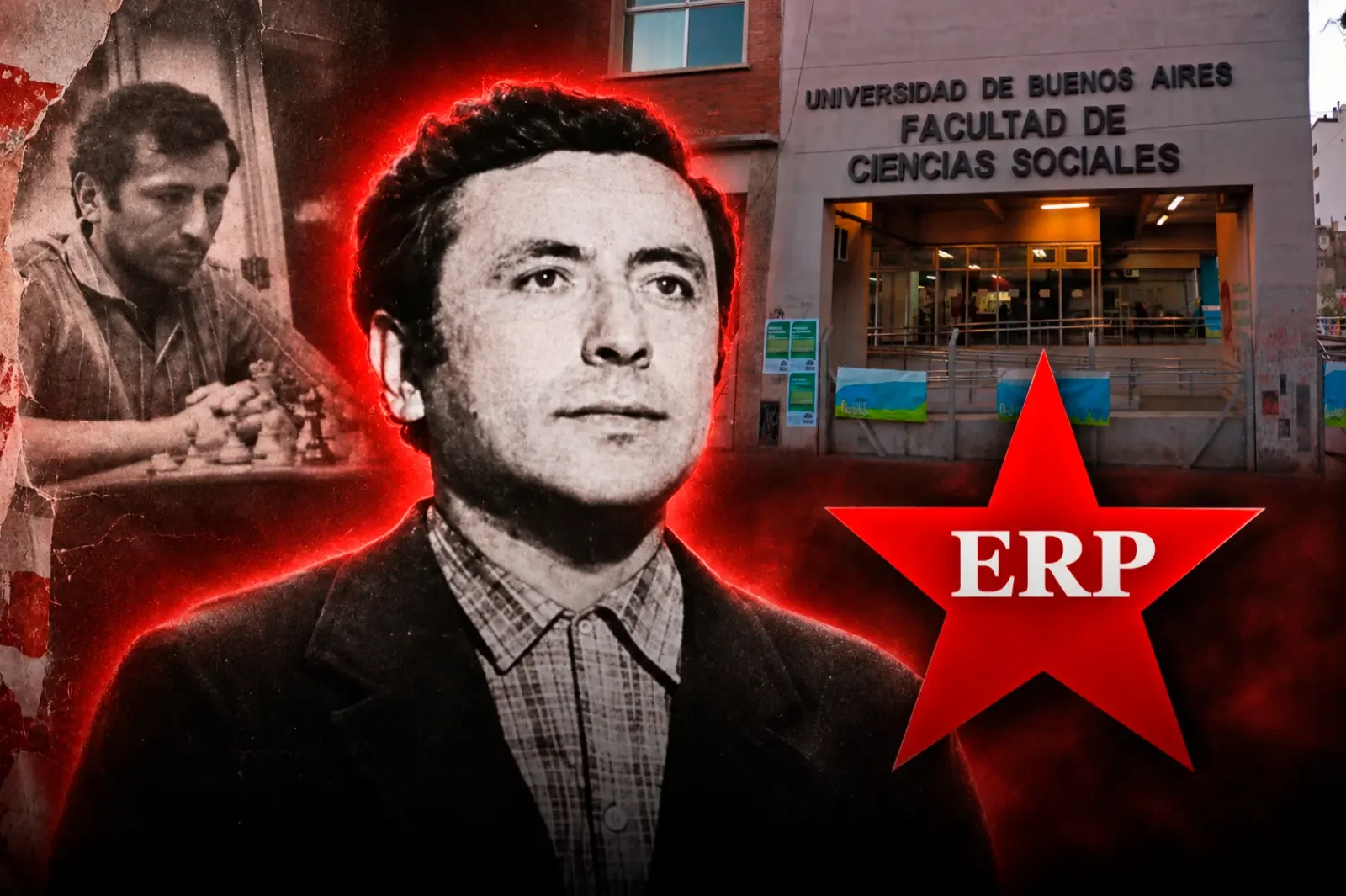
The statements came amid controversy over the tribute to Mario Roberto Santucho at the Faculty of Social Sciences of the University of Buenos Aires (UBA). Santucho was the top leader of the Workers' Revolutionary Party (PRT) and the ERP, a Marxist organization that sought to promote a socialist revolution

through armed struggle.
Mario Santucho, the terrorist leader of the ERP who will be honored by the UBA
Under his leadership, the ERP carried out kidnappings, attacks, assassinations and attacks against military installations under the democratically elected governments of Juan Domingo Perón and Isabel Perón.

His victims included businessman Oberdán Sallustro, Captain Humberto Viola and his young daughter, who was murdered

in Tucumán in 1974.

The initiative defended by the Kirchner dean of the Faculty of Social Sciences, Ana Josefina Arias, and former candidate for senator for Kirchnerism, who justified the guerrilla leader's demand under the policy of “Memory, Truth and Justice” and maintained that it was necessary to recognize these individual trajectories.