The Buenos Aires municipality of Ramallo, governed by the Peronist mayor Mauro Poletti, has moved forward with a controversial scheme that will extend a fee of $37,000 for each entry into the district to all heavy traffic, in a corridor of just 5.1 kilometers used by trucks linked to production and foreign trade.
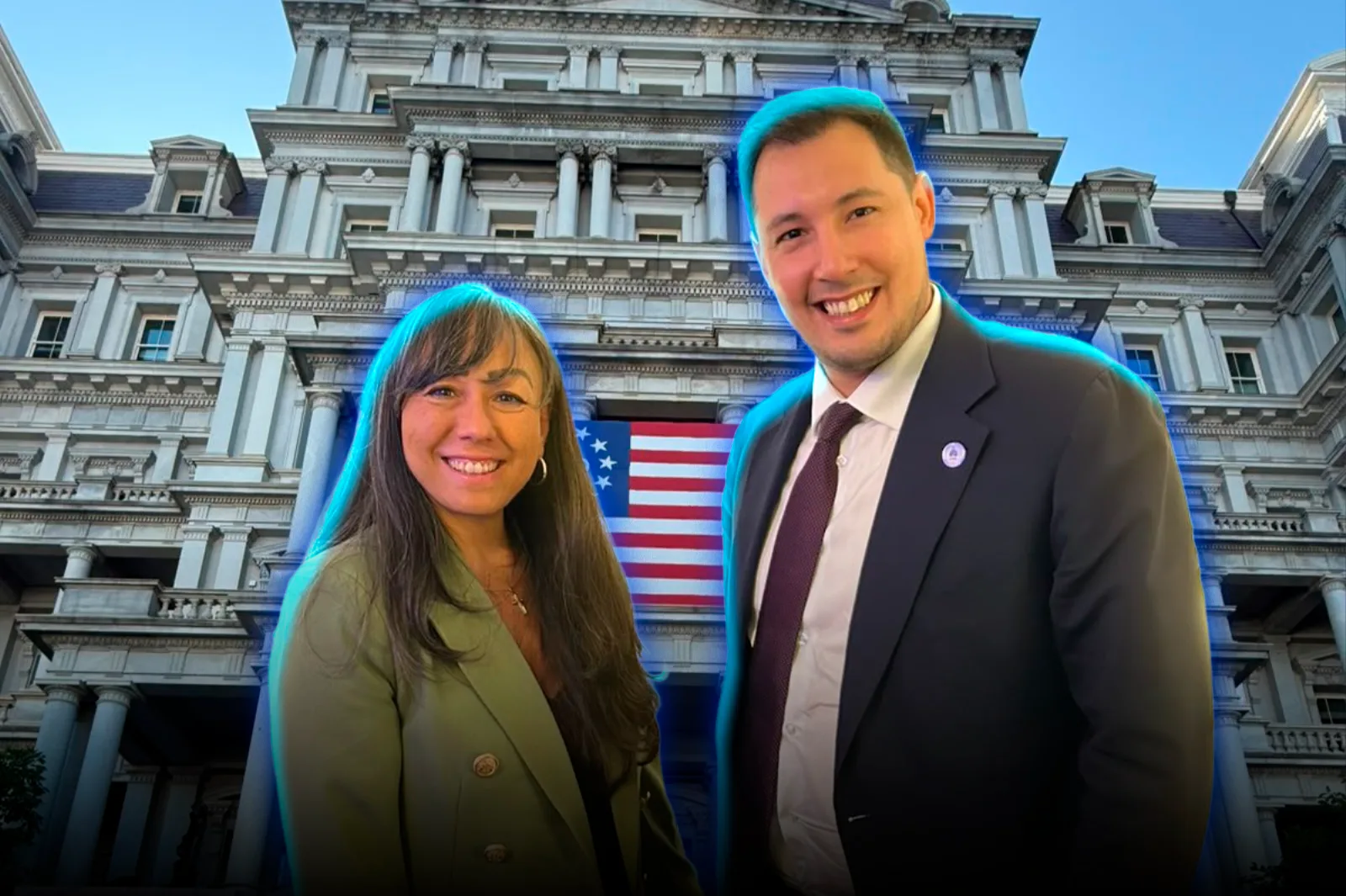
Poletti is part of the political framework of Governor Axel Kicillof and on August 15, he hosted and led the opening of a plenary session of the Movement Right to the Future (MDF) in Ramallo, the space led by the Buenos Aires governor. The meeting brought together mayors and officials from the Kicillof administration of the Second Electoral Section.
Mauro Poletti is one of Axel Kicillof's key figures for the 2027 campaign
An internal customs fee of $37,000 for just five kilometers
The Ramallo scheme affects the former Provincial Road Route 87, a stretch of 5.1 kilometers that connects National Route 9 with the industrial park and the Port of San Nicolás. The Kirchnerist municipality awarded a private company a 20-year contract for the control and collection system using weighbridges and TAG technology.
Each truck will have to face a charge of up to $37,000 per entry, to which an additional $25,000 may be added when the vehicle accesses an industrial plant. According to FADEEAC, the resulting cost per kilometer is 120% higher than the toll for the Zárate-Brazo Largo Bridge.
The measure has generated rejection from the Argentine Federation of Business Entities of Cargo Transport (FADEEAC) and industrial entities, which have called for the intervention of the Ministry of Economy and requested the suspension of the unconstitutional scheme.
Transporters argue that the charge could function as a hidden toll and question its constitutionality before the courts for affecting the inter-jurisdictional circulation of goods.
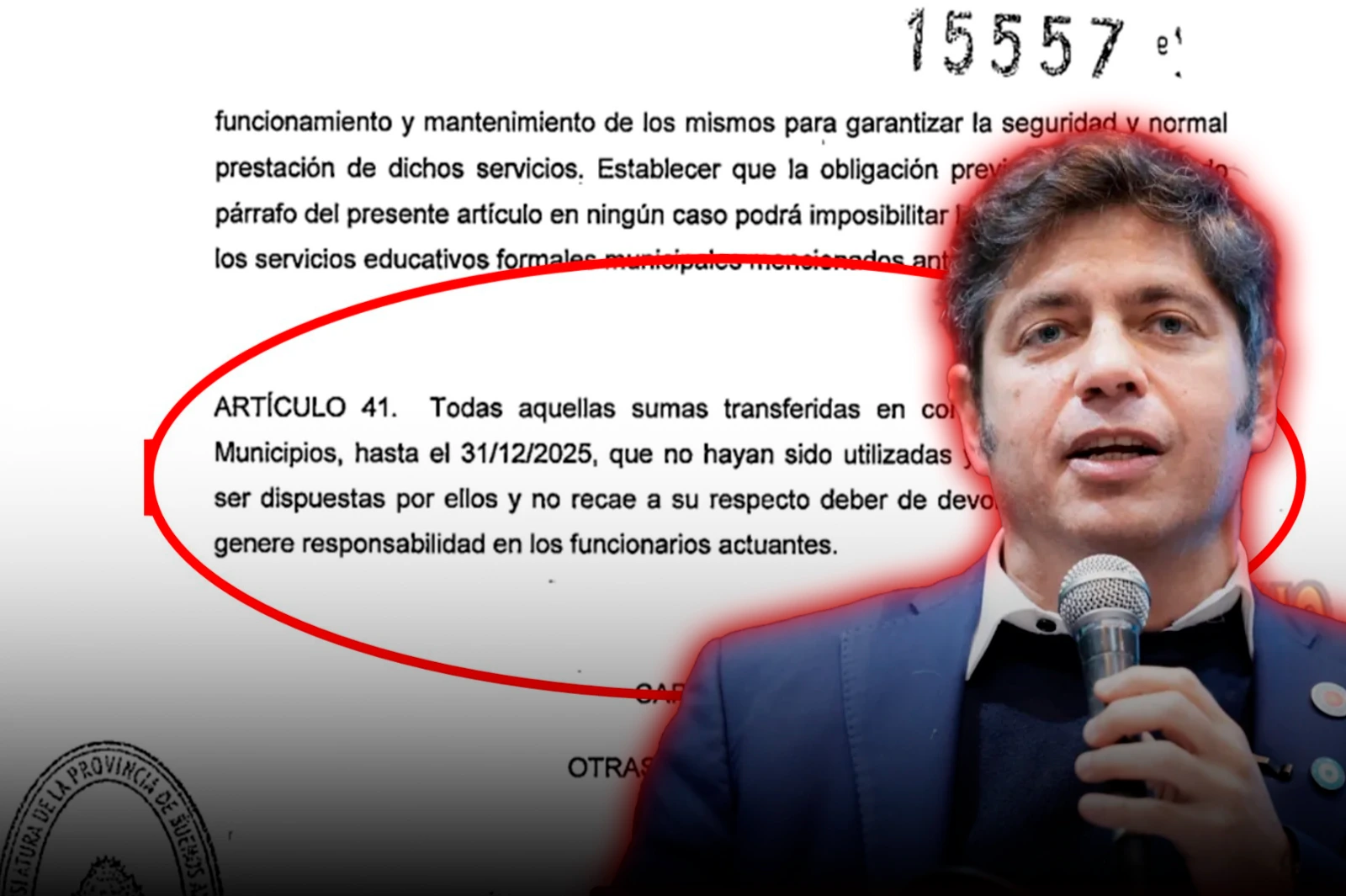
Mauro Poletti with Axel Kicillof
From the Municipality, they argue that the fee is not new, but has existed since 2002 and was previously paid only by a few companies; they seek to expand its scope. They also claim that there is a "counter-service" related to the maintenance of the roadway and signage.
The conflict brings back into discussion the municipal tax pressure on the productive sector, while the national government seeks to make local fees transparent and reduce the costs faced by companies to produce and transport goods.