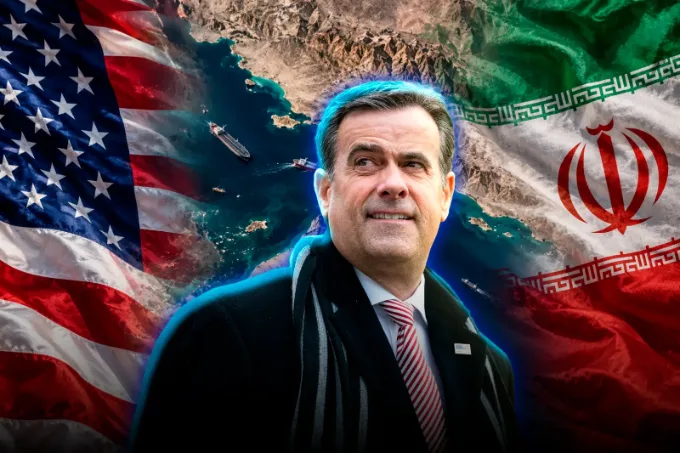
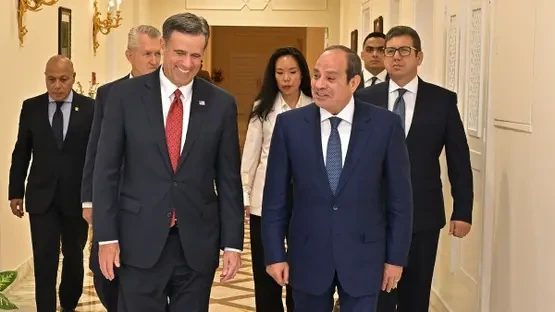
The director of the Central Intelligence Agency (CIA) of the United States, John Ratcliffe, held a meeting on Sunday in Cairo with Egyptian President Abdelfatah al Sisi, focused on diplomatic efforts to reach a comprehensive agreement that would end the war with Iran and restore stability in the Middle East.
Ratcliffe met with Al Sisi accompanied by the head of the Egyptian General Intelligence Service, Hasán Rashad. According to the Egyptian presidency, the discussions addressed both the strategic relationship between Washington and Cairo as well as the main regional security challenges. The Egyptian leader emphasized the importance of cooperation between the two countries and supported U.S. efforts to reach an agreement that would resolve the Iranian crisis.
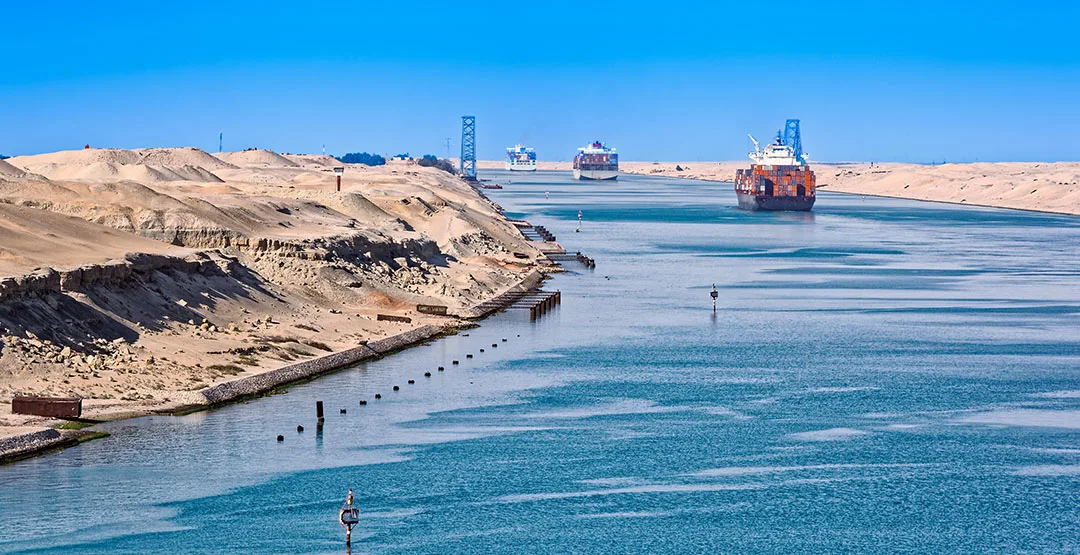
The goal set by Cairo includes restoring freedom of international navigation and moving towards the full reopening of the Strait of Hormuz, one of the main maritime routes for global energy transport. The Egyptian position is particularly relevant due to the economic importance of the region's maritime routes for international trade and the functioning of the Suez Canal.
The CIA director met in Egypt with the president of that country to explore alternatives to end the conflict with Iran
Ratcliffe, for his part, highlighted Egypt's role as a interlocutor in Middle Eastern crises and confirmed that the United States will continue to work closely with Cairo to strengthen regional security and stability. The Egyptian presidency noted that the CIA chief also discussed with Al Sisi the situation in Gaza and other regional conflict scenarios.
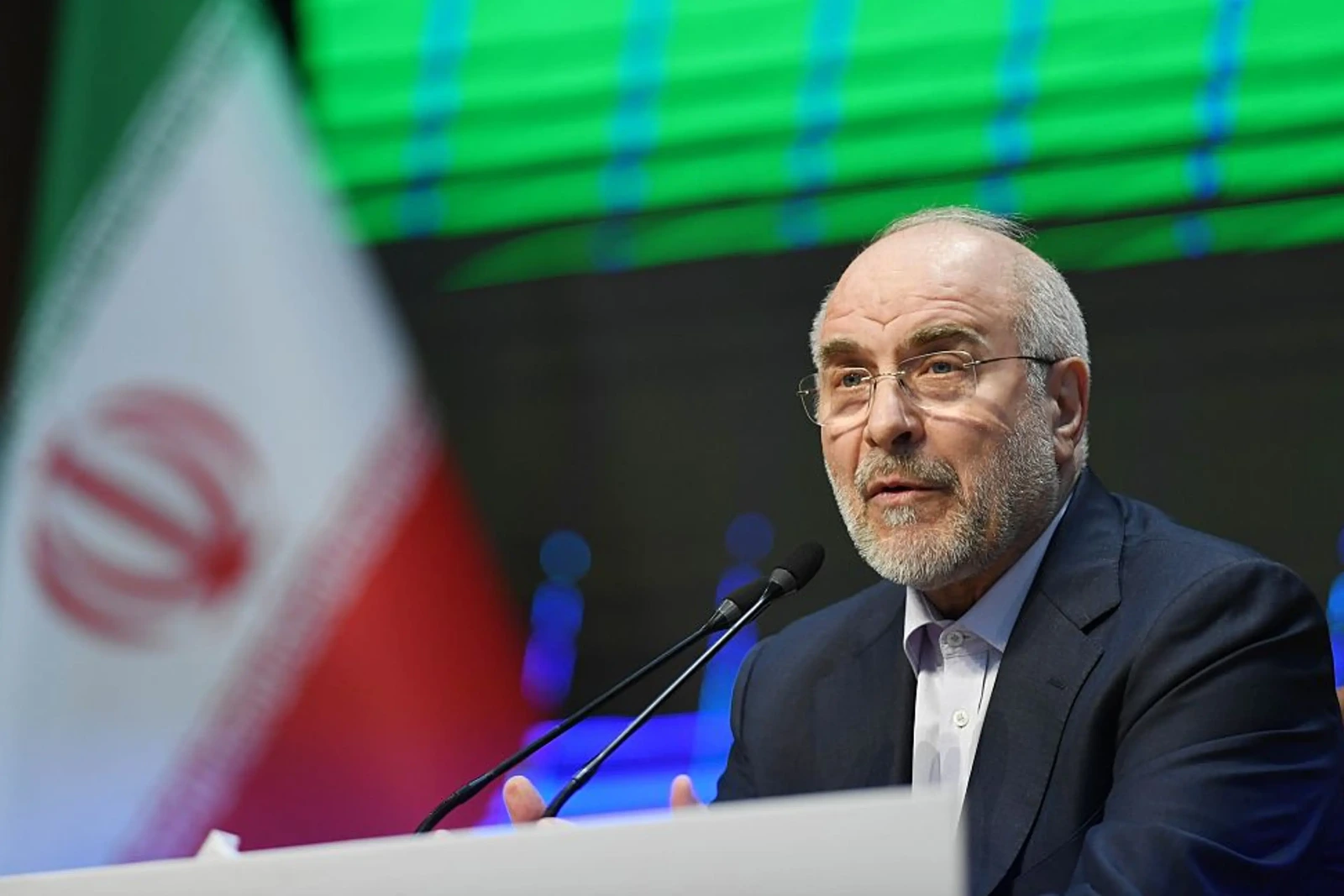
The meeting took place at a particularly delicate moment for contacts between Washington and Tehran. The Iranian Parliament Speaker, Mohamad Baqer Qalibaf, stated that Iran maintains message exchanges with the United States through mediators, although he insisted that Tehran has conditions for any potential return to negotiations. He also stated that the Strait of Hormuz will remain closed until Iranian demands are met.
The maritime issue is one of the main obstacles to any understanding. The Strait of Hormuz constitutes a strategic passage for international energy markets and its blockade has increased concerns about oil and gas supply. At the same time, the situation in the Red Sea and the Bab el Mandeb Strait has deteriorated due to the operations of the Houthi terrorists backed by Iran, increasing pressure on the region's trade routes.
The president of the Iranian Parliament stated that conversations with the United States are only taking place through intermediaries
In this context, Egypt is trying to keep its channels open with Washington, Tehran, and the Arab countries affected by the conflict. Journalistic sources indicated that Cairo seeks to convey messages between the different parties and find a framework that allows for reducing hostilities, especially regarding maritime navigation and attacks against Arab countries.
The Egyptian position is also linked to its own economic and strategic interests. Disruption of maritime traffic in the Red Sea or Bab el Mandeb can affect the revenues of the Suez Canal, a fundamental source for the Egyptian economy. Therefore, Cairo has incentives to support a diplomatic solution that allows for the recovery of commercial circulation.
Ratcliffe's visit also occurred alongside the efforts of the administration of Donald Trump to keep a negotiation channel open with Iran. The meeting with Al Sisi adds an additional component to that strategy: strengthening coordination with a regional ally capable of maintaining contacts with different actors and facilitating potential indirect channels.
Despite these diplomatic moves, the positions of Washington and Tehran remain far apart. Iran maintains the closure of the Strait of Hormuz as a pressure tool, while the United States seeks an agreement that allows for reducing hostilities and restoring absolute freedom of navigation.
Egypt has expressed concern over the rising tensions in the Middle East region due to the effects on the Suez Canal