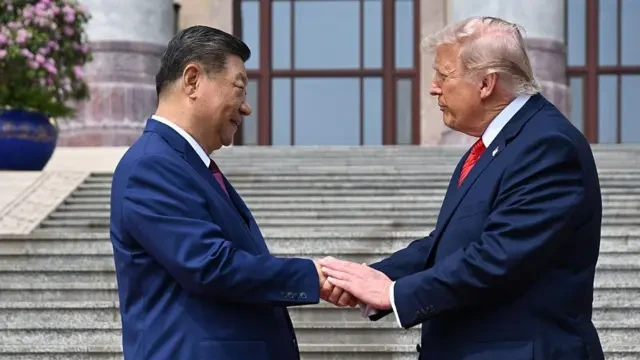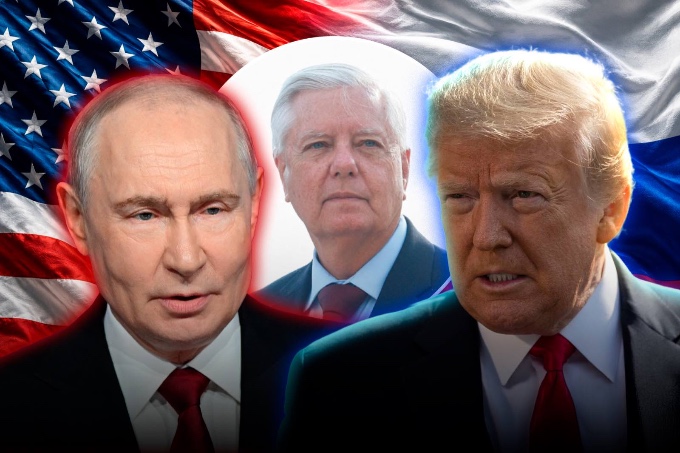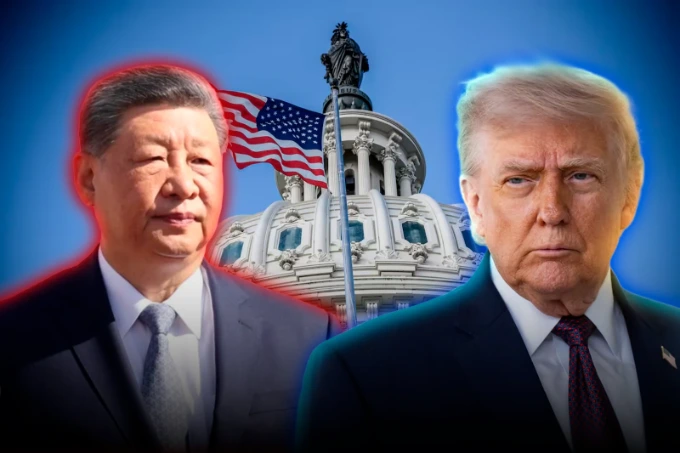

The chairman of the House Select Committee on China, Republican John Moolenaar, urged President Donald Trump to take a firm stance against Beijing during his upcoming meeting with Chinese leader Xi Jinping and avoid making concessions that could benefit the strategic interests of the Chinese Communist Party.
In a letter sent to Trump on September 18, Moolenaar stated that the summit scheduled for September 24 in Washington should serve to ''reaffirm and vigorously defend critical American interests''. The legislator asserted that the administration must operate under the premise that China will continue to act as an increasingly hardened adversary of the United States.
Trump and Xi are set to hold their second in-person meeting of the year, at a time marked by trade disputes, technological tensions, restrictions on critical minerals, and differences regarding Taiwan.
One of the main points raised by Moolenaar is the relationship between China and Iran. The congressman cited reports indicating that Chinese entities may have provided satellite images of U.S. military bases in Jordan prior to a missile attack in July, which resulted in the deaths of three American servicemen. The Chinese government has denied these accusations.

Trump, when asked about the matter, avoided committing to raise it directly with Xi and noted that the United States and China engage in mutual espionage. However, Moolenaar urged the president to make it clear to Beijing that any assistance that enables attacks against U.S. troops would be considered a serious escalation and should result in consequences.
The legislator also focused on Taiwan and a U.S. arms package valued at up to $14 billion that remains pending presidential approval. Donald Trump had previously described the sale as a ''very good bargaining chip'' after meeting with Xi in Beijing.
Moolenaar demanded that the United States not allow China's objections to condition its arms sales or security cooperation with Taiwan and other regional allies. According to the congressman, the growth of Chinese military capabilities and tensions with neighboring countries are central factors in regional instability.