According to a poll released by public television ARD, the party achieved 37% of the votes in Mecklenburg-Vorpommern, with a 20-point increase compared to the 2021 elections.
With this result, the AfD surpassed the German Social Democratic Party (SPD), which obtained 35.5%. If these numbers are confirmed, the social democrats would cease to be the leading political force in the state for the first time in 28 years.
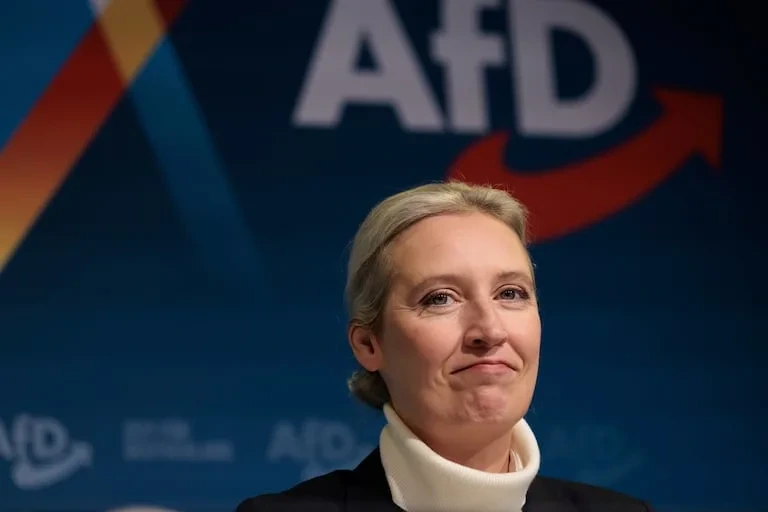
Alice Weidel, leader of AfD
The result represents a significant advance for the AfD in a region where the SPD, led by regional president Manuela Schwesig, had maintained the top position for the last few decades. Schwesig's party also fell by 4.1 percentage points compared to the 2021 elections.
The difference with the other parties is also notable. The Left reached 7.5%, while The Greens and the CDU each obtained 5.5%. The Sahra Wagenknecht Alliance (BSW) again hovered around the 5% threshold necessary to enter the regional Parliament.
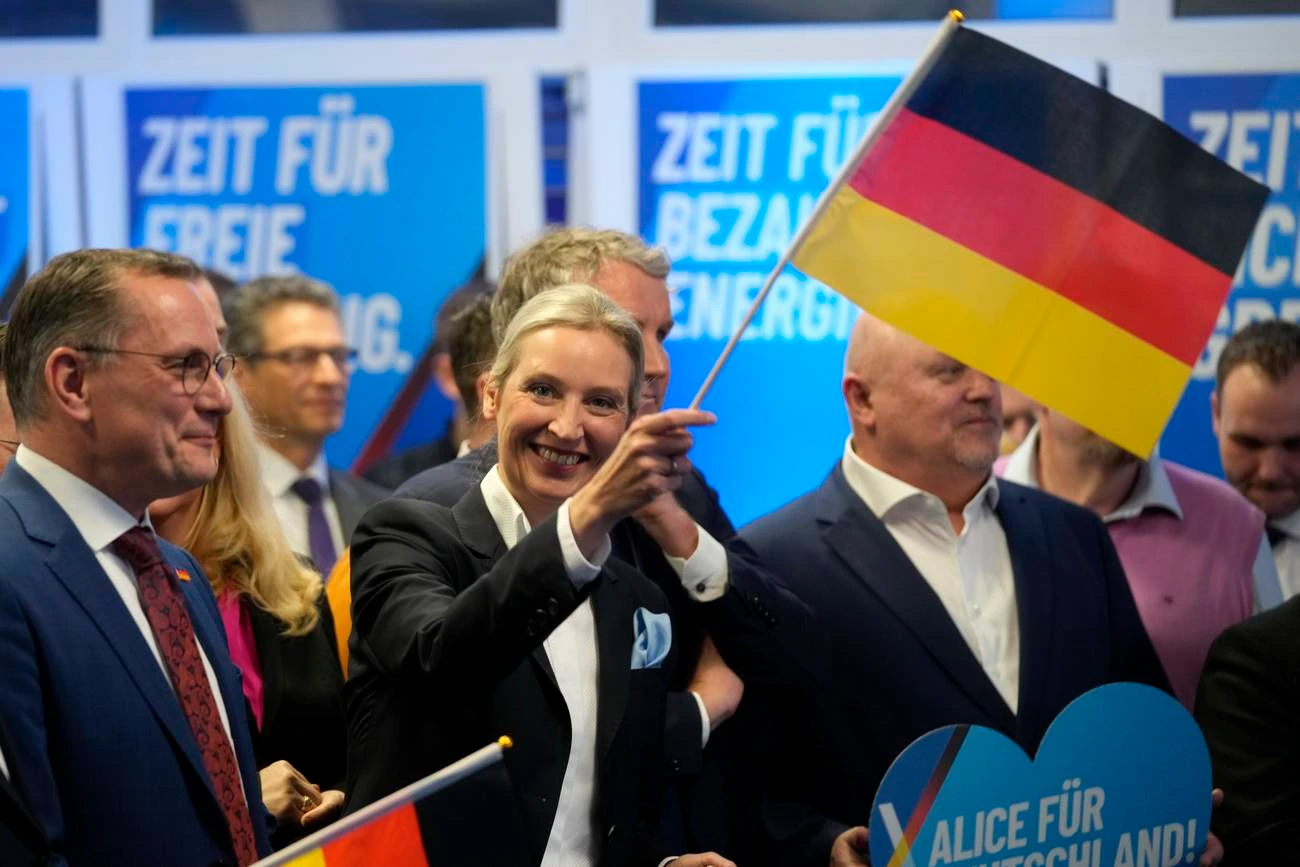
The result was celebrated by the AfD leadership. Its co-leader, Tino Chrupalla, described the electoral performance as a "sensational result" and stated that the party has "clearly a mandate to govern".
Alice Weidel, leader of AfD
A strong growth also in Berlin
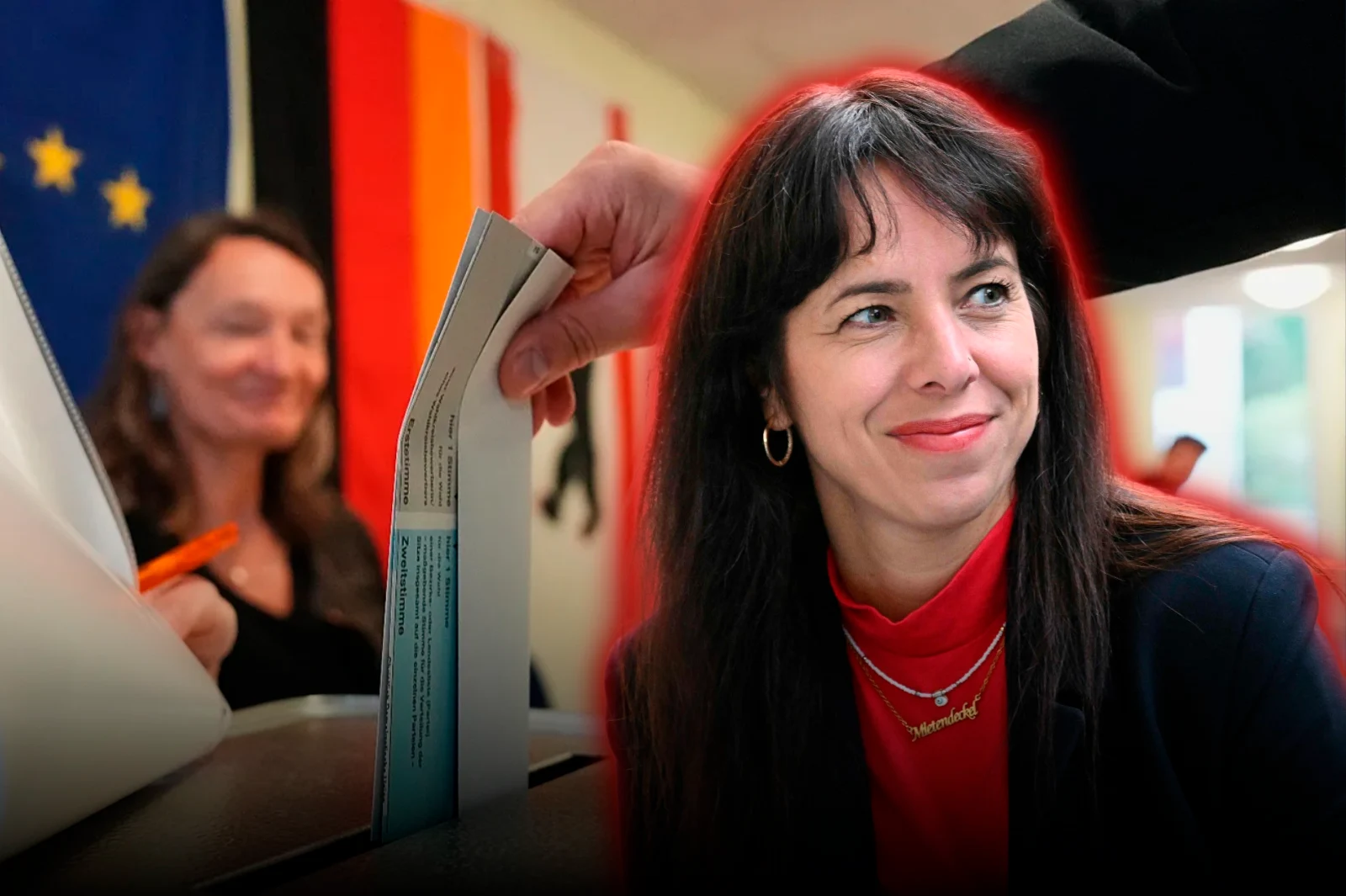
The AfD also recorded a significant advance in Berlin, where it reached 16%, according to the ARD poll included in the electoral report. This figure represents an increase of 6.9 percentage points compared to the 2023 election and constitutes the party's best historical result in the German capital.
The electoral day also saw a higher turnout than in previous elections. By 4 PM, 58.5% of the electorate had voted, compared to 48.8% recorded in 2023.
The elections in Berlin and Mecklenburg-Vorpommern are also being closely watched for their impact on national politics. The elections take place under the government of Chancellor Friedrich Merz from the CDU, in a context of strong attention due to the significant electoral growth of the AfD.