Gensler also highlighted the potential of old railway and industrial lands, coastal edges, and various sectors in the south of the City. In these areas, larger-scale developments could be promoted that integrate housing, offices, shops, educational establishments, and services around public spaces. However, Wolff warned that this type of initiative requires more complex coordination between the private sector, authorities, and the communities involved.
The American firm Gensler, ranked in 2026 as the largest architecture company in the world by the international WA100 ranking, opened an office in Buenos Aires and deepened its presence in Argentina, where it is already involved in corporate, residential, and commercial projects. Founded in 1965, the company has more than 6,000 professionals, operates in 16 countries, and its new Buenos Aires headquarters already brings together more than 25 people.
The company's arrival occurs in a scenario where the expansion of activities such as mining, energy, and the agricultural sector generates new needs for infrastructure, housing, offices, and services. Christian Wolff, Argentine architect and Co-Regional Managing Principal of Gensler for Latin America, noted that Buenos Aires occupies a central place in this strategy, although he also identified concrete opportunities in Córdoba and Neuquén.
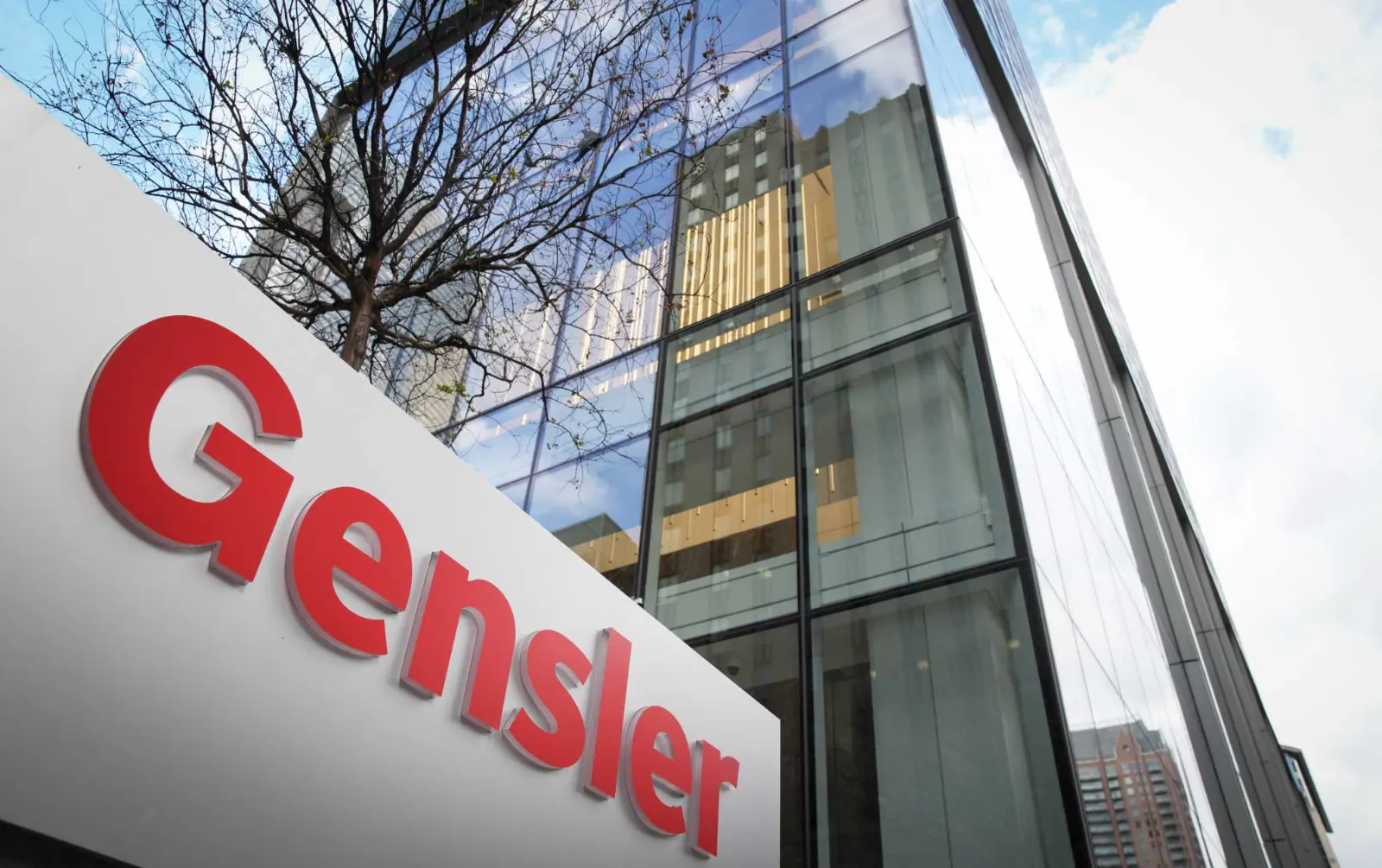
Gensler
One of the main focuses is on the downtown area, where the firm sees the possibility of converting office buildings into housing and combining residential, commercial, and work uses. “The downtown area concentrates offices, transportation, and heritage, and remains the place where the urban health of the city is measured,” explained Wolff. The goal would be to extend activity beyond working hours and recover properties that currently remain almost empty after six in the evening.
The company is particularly focused on mixed-use developments, a model that combines housing, offices, dining, shops, and workspaces within the same urban environment. According to the executive, buyers no longer only evaluate the characteristics of a building but also accessibility, security, neighborhood identity, and the presence of nearby services. “People pay for the certainty that the place will be alive,” he stated.
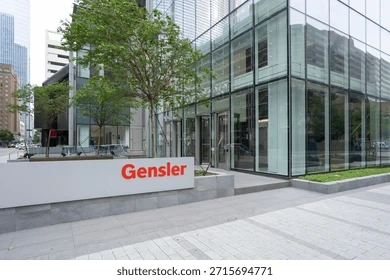
Gensler Texas
Among the projects that Gensler is developing in the country are corporate offices of more than 25,000 square meters for JPMorgan in the City of Buenos Aires and a 5,000 square meter duty-free space for a company linked to the aviation industry. It is also involved in new urban developments in Buenos Aires, commercial and mixed-use projects in Córdoba, and works related to the oil and gas industry inland.
From Buenos Aires, the firm also provides services for regional projects, such as the Calcagno District of IRSA in Uruguay and Mariano Centro Urbano in Paraguay. For Wolff, the productive growth of cities like Córdoba and Neuquén is creating a simultaneous demand for housing, education, commerce, infrastructure, and public space, a phenomenon that opens new opportunities for real estate investment and urban development.