The separatist leader steps down to advise Putin and implement a treaty that could bring the region closer to Russia
Nuevo
Agregar La Derecha Diario en
Compartir:
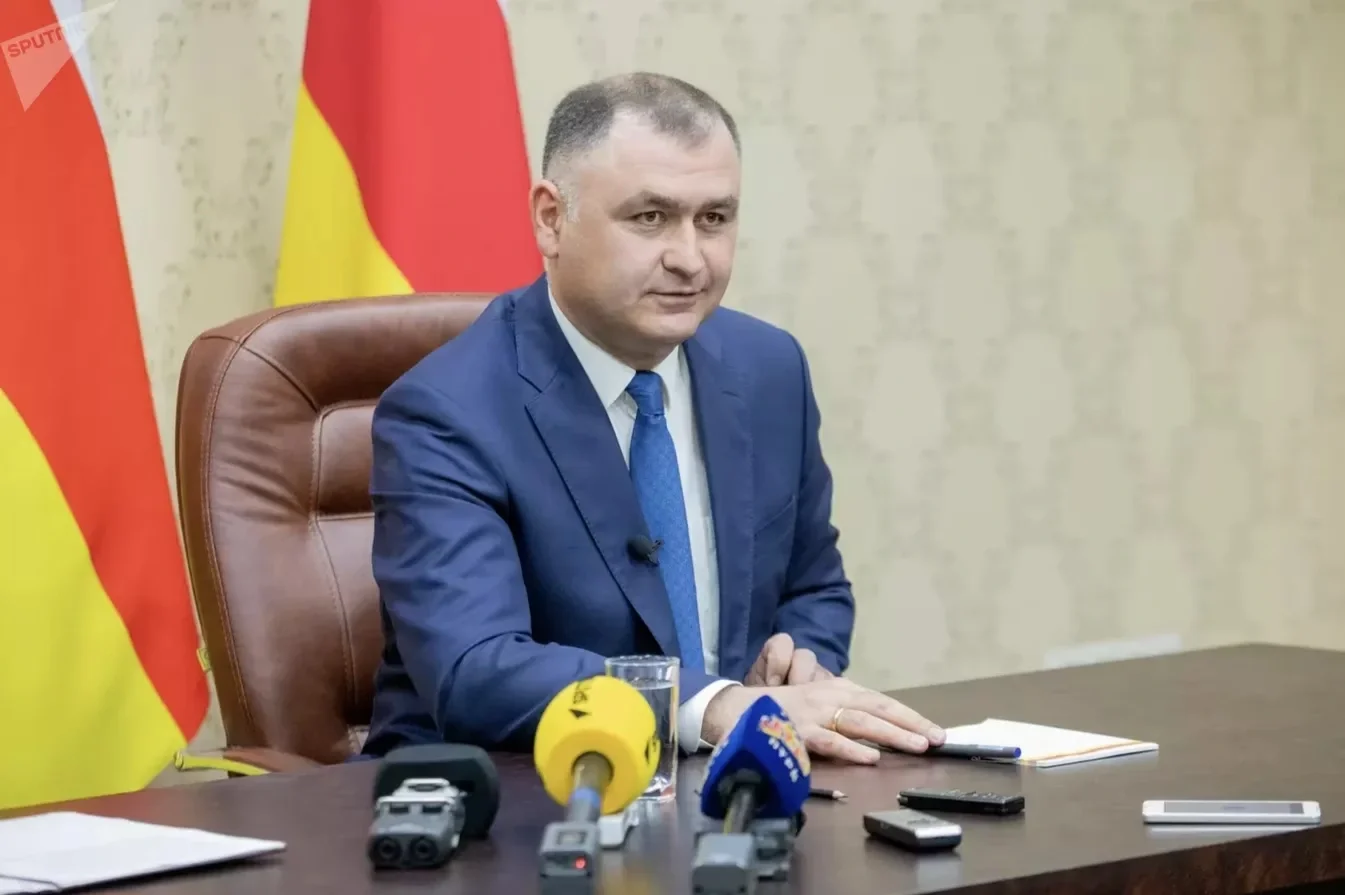
The leader of South Ossetia, a separatist region of Georgia backed by Russia, announced his resignation from the presidential position to join the administration of Russian President Vladimir Putin as an advisor. Alan Gagloyev stated that he will leave his duties immediately and hand over power to the region's prime minister, in a move that reinforces Moscow's influence over the small Caucasus territory.
In a statement published on the official website of the South Ossetian government, Gagloyev explained that his new position within the Russian presidential administration will be linked to the implementation of a treaty signed between both parties last year. According to the leader, this agreement will allow for the acceleration of what he described as the ''longed-for dream'' of the local population: the definitive incorporation of South Ossetia into the Russian Federation.
The departure of the leader comes as speculation grows about the political future of the region, whose independence is recognized by Russia and a few international allies, but rejected by Georgia and most of the international community. For Tbilisi, South Ossetia remains an integral part of its territory.
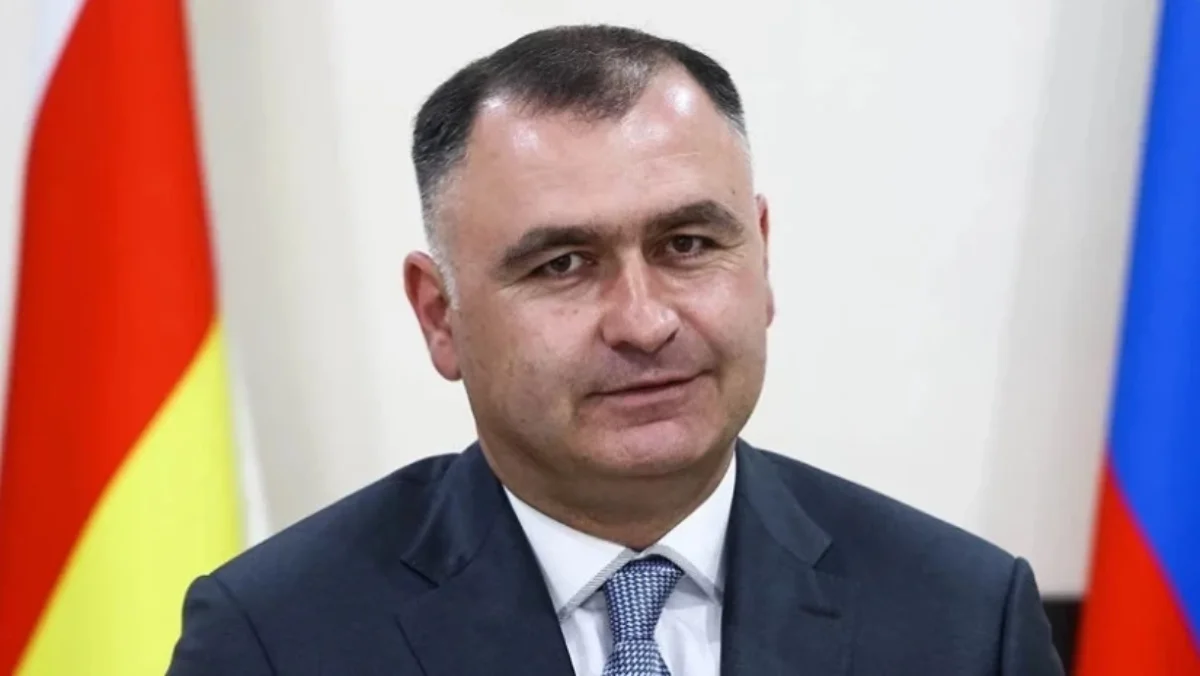
Alan Gagloyev resigned from his position as leader of the Georgian region to join as an advisor in Vladimir Putin's government
South Ossetia, with an approximate population of 50,000 inhabitants, separated from Georgia during the conflicts that arose after the dissolution of the Soviet Union in the early 1990s. During that period, local separatist groups declared their de facto independence, initiating a territorial dispute that continues to this day.
Since then, the region has largely depended on Russian support in political, economic, and military matters. Moscow has maintained a significant presence in the territory and has supported its separatist authorities, turning South Ossetia into one of the main points of tension between Russia and Georgia.
The conflict reached its most severe point in 2008, when Russia and Georgia engaged in a short war for control of the region. During the fighting, Georgian forces were expelled from several areas that were previously under their administration, while Russian troops consolidated their position in South Ossetia.
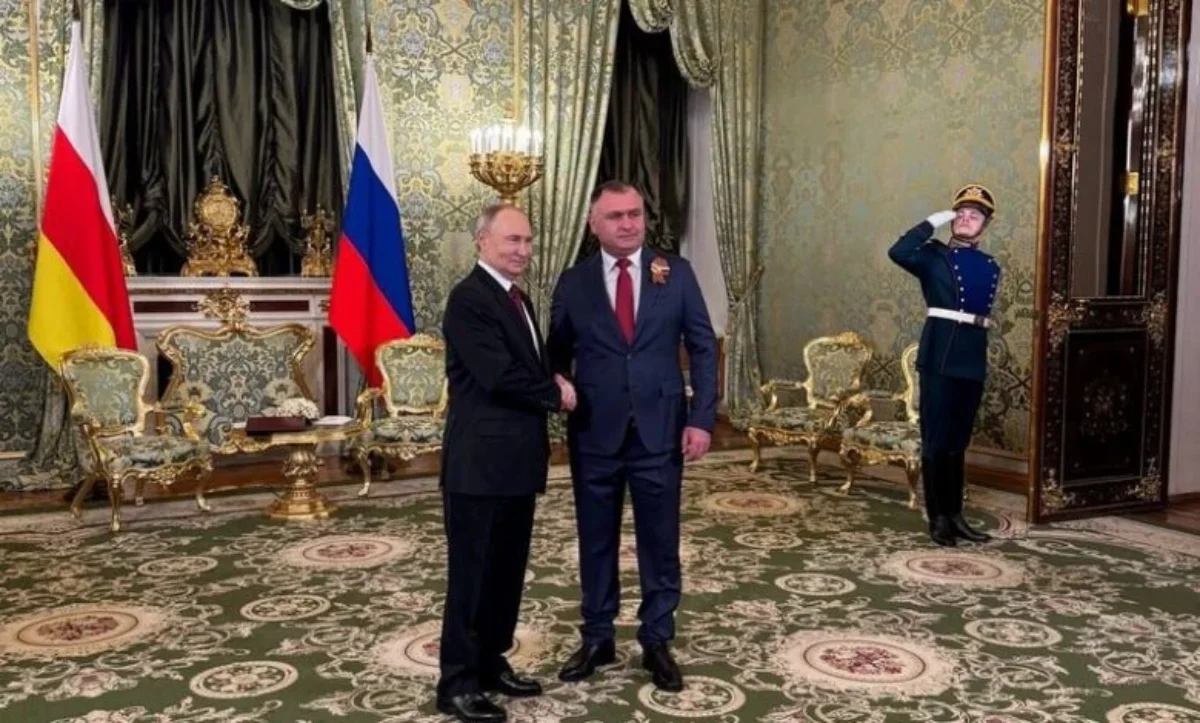
Gagloev's approach to Putin may be an indication of a closer relationship between the separatist region and Moscow
After the war, Russia officially recognized the independence of South Ossetia and Abkhazia, another Georgian separatist region. However, only a small group of countries followed suit, while the United States, the European Union, and other nations continue to consider both territories as part of Georgia.
The leaders of South Ossetia have expressed their intention to integrate into Russia for years. The possibility of holding an annexation referendum has been repeatedly mentioned by local officials, although so far Moscow and regional authorities have avoided moving forward with a formal vote that could provoke new international tensions.
Gagloyev's new role within the Russian government could strengthen coordination between Moscow and the separatist administration, especially in strategic areas such as security, economy, and institutional integration. His move to the Russian presidential structure is also interpreted as a sign of the growing political alignment between both parties.
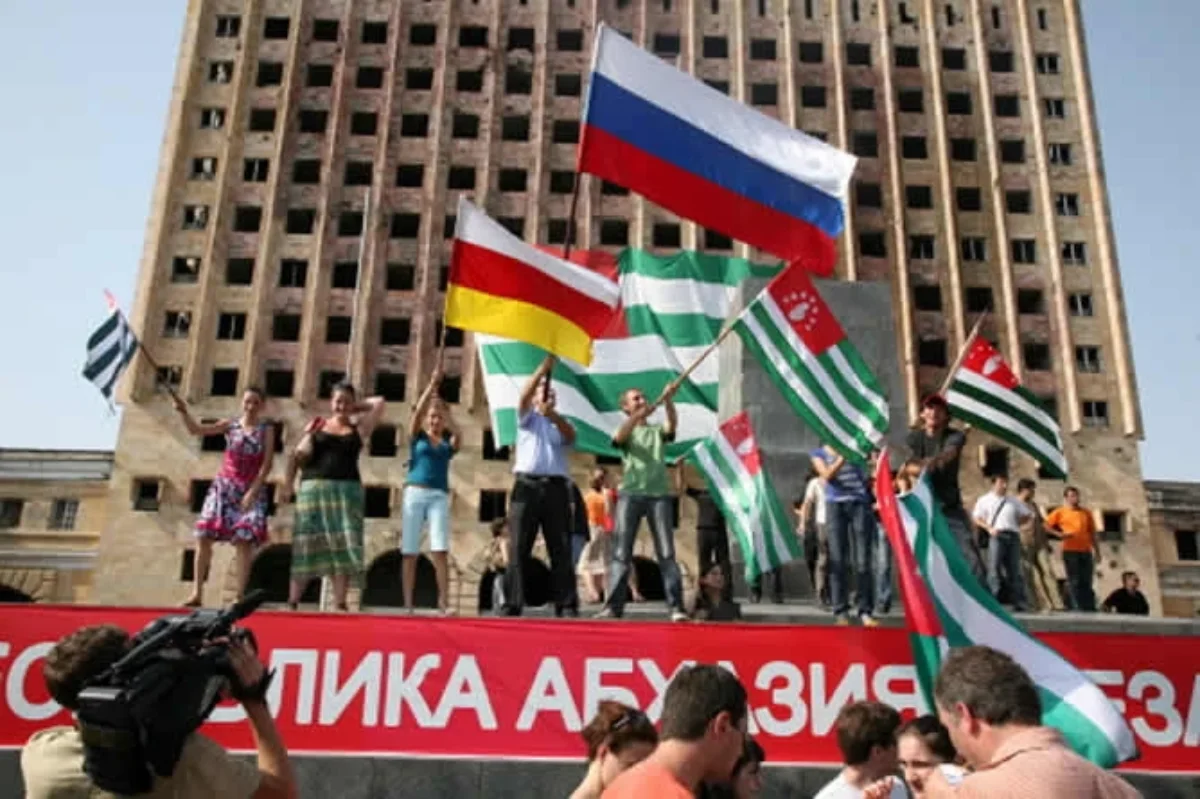
Multiple leaders in the territory have attempted to hold referendums to integrate into Russia
The decision comes in a regional context marked by geopolitical tensions, especially after years of confrontations between Russia and the West over influence in the post-Soviet space. Georgia, for its part, has sought to strengthen its ties with Europe and the West, while maintaining its claim over the separated territories.
Although a formal annexation of South Ossetia to Russia has not been announced, Gagloyev's move raises expectations about a possible future change in the region's status and once again brings international focus to a territorial dispute that has remained open since the end of the Soviet Union.