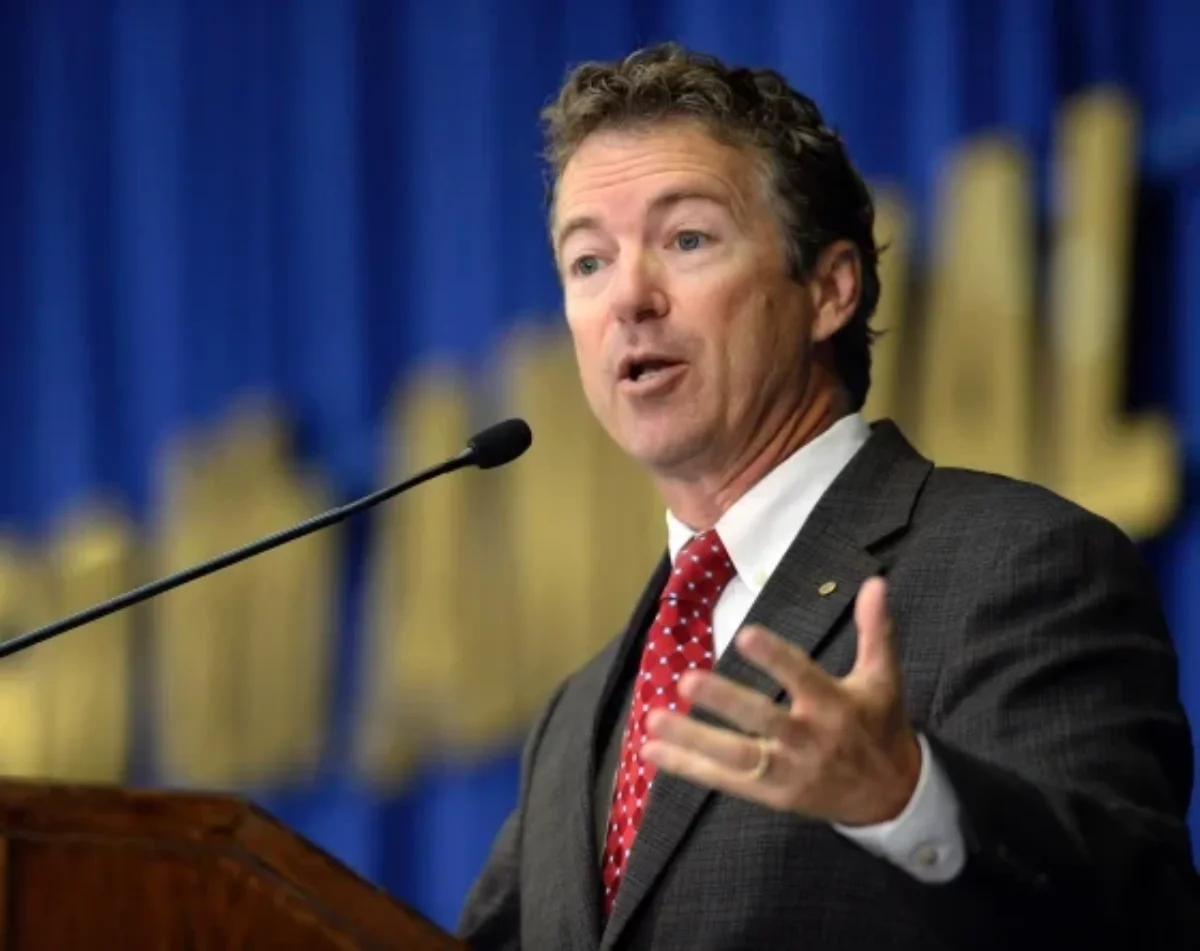
The Republican senator Rand Paul formally summoned the former director of the National Institute of Allergy and Infectious Diseases (NIAID), Anthony Fauci, to appear before the Senate and answer questions regarding his statements related to the origin of the COVID-19 pandemic, a controversy that continues to generate debate more than six years after the onset of the global health crisis.
The summons, issued by the chairman of the Senate Committee on Homeland Security and Governmental Affairs, represents the first order of this kind signed by Paul since he gained the authority to issue unilateral subpoenas. The legislator stated that the measure was necessary after Fauci avoided committing to testify voluntarily before the committee for months.
''We have been negotiating with him for material and testimony. This has been going on for quite some time. He has delayed the process,'' Paul declared when announcing the decision. The senator also noted that he expects the former official to attempt to challenge the subpoena in court, although he insisted that he must publicly answer the legislators' questions.
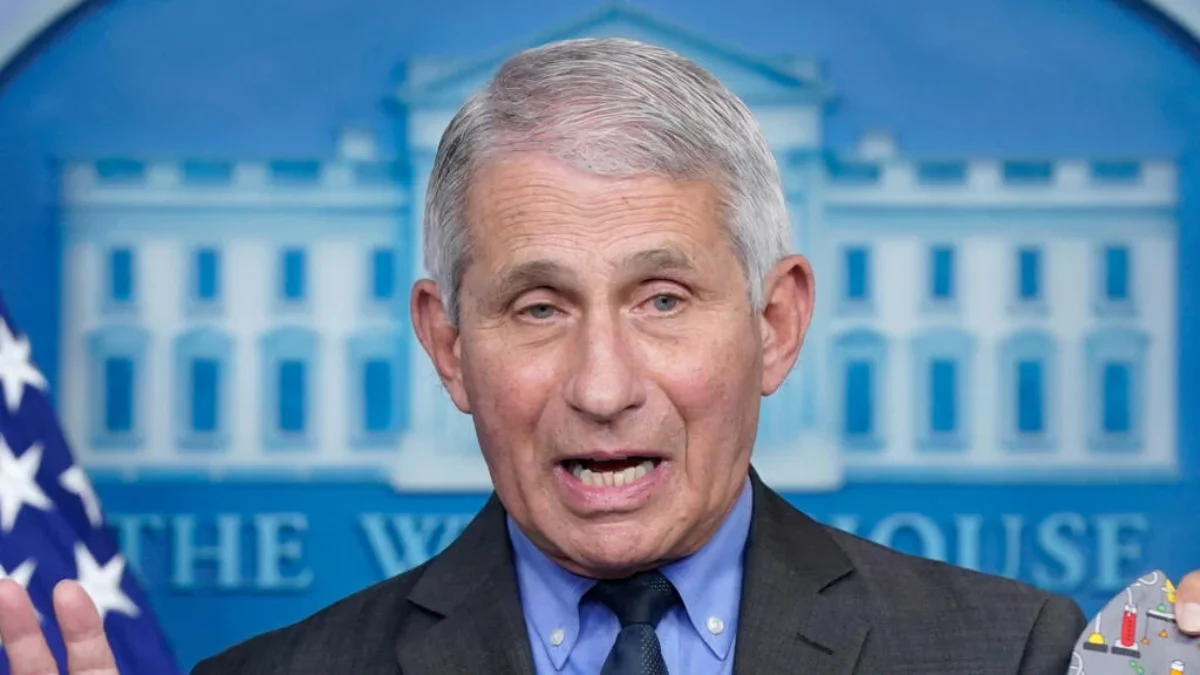
The hearing is scheduled for July and will focus on allegations that Fauci provided misleading information to Congress regarding U.S.-funded research at the Wuhan Institute of Virology in China, where several of the first known cases of the coronavirus were detected.
Since the onset of the pandemic, Paul has been one of Fauci's most persistent critics. The Republican legislator argues that the scientist minimized or denied the involvement of U.S. agencies in research projects conducted in Wuhan related to experiments known as ''gain-of-function,'' a category of studies that involves modifying viruses to analyze their behavior and potential transmission capabilities.
The tensions between the two reached national prominence during hearings held in 2021. In one of them, on May 11 of that year, Paul directly asked Fauci whether the National Institutes of Health had funded gain-of-function research at the Chinese laboratory. Fauci responded that the NIH had not funded that type of work at the Wuhan Institute of Virology.
This statement later became the center of an intense political and scientific dispute. Fauci's critics argue that many subsequent documents and communications contradict his testimony, while his defenders maintain that the funded research did not meet the technical definition of gain-of-function used by U.S. health authorities.
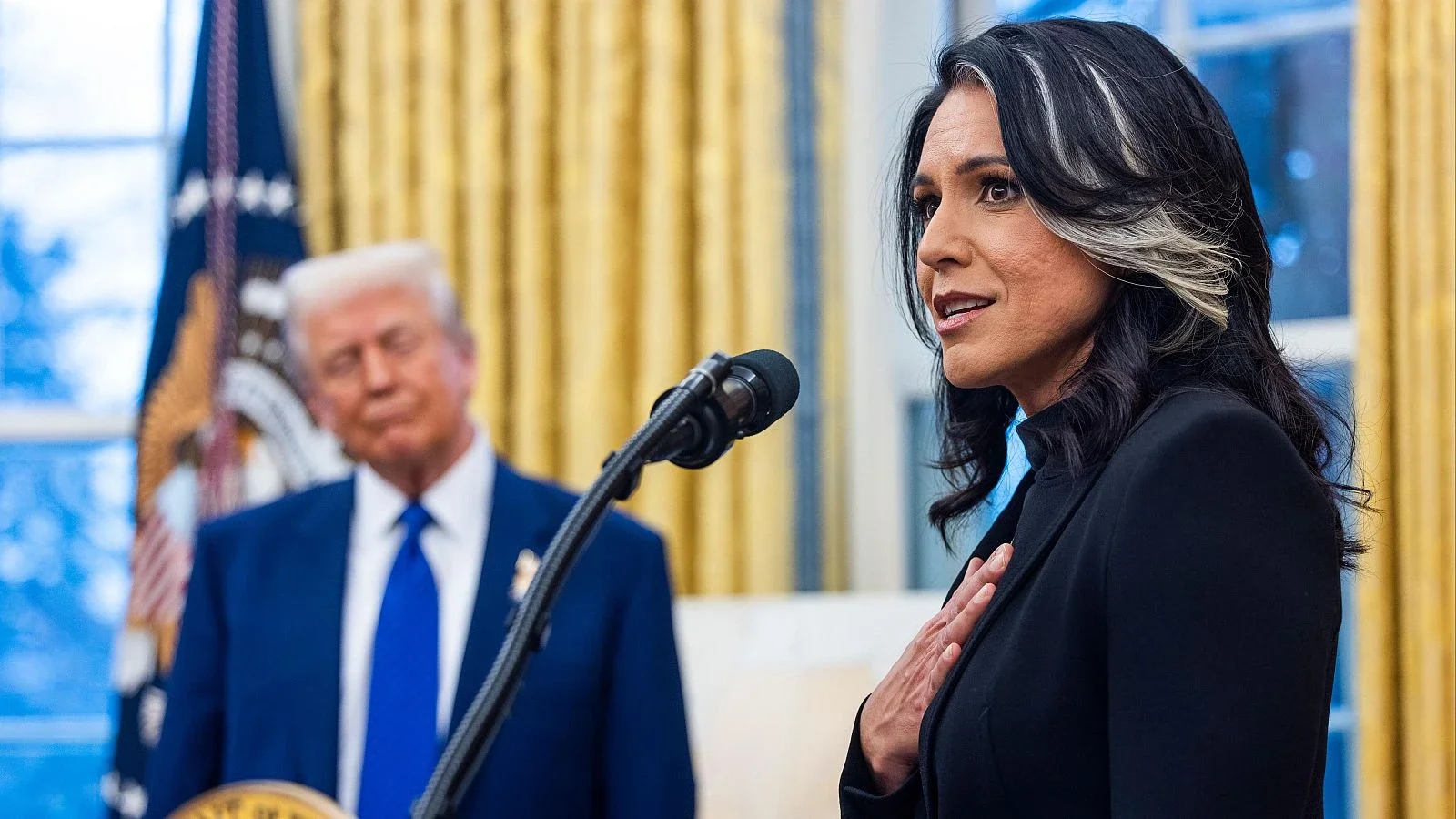
The controversy gained renewed strength after the Director of National Intelligence, Tulsi Gabbard, recently released a series of documents related to government investigations into the origin of COVID-19. Among the files is a complaint filed by a whistleblower who accused Fauci of misleading Congress regarding the funding of certain research linked to the Wuhan laboratory.