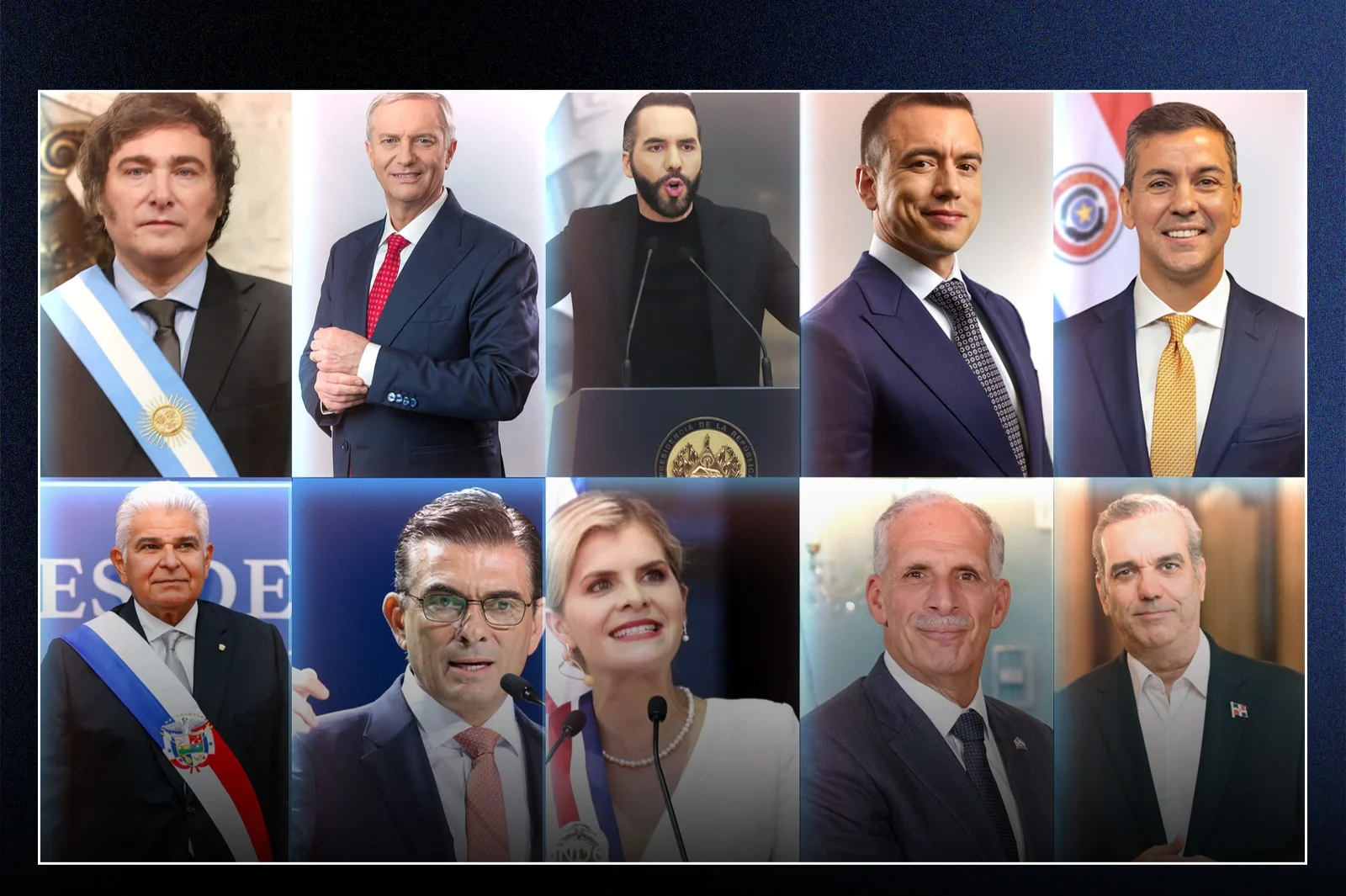

The rise of the right in Latin America did not originate from an academic laboratory, nor from a traditional party committee. It was born from something much deeper: from the frustration of millions of people in the face of the systematic failure of the left to solve the real problems of the people.
Inflation, insecurity, corruption, institutional decay, the eternal narrative of victimization, and the disdain for meritocracy have created a social climate where society began to look the other way. And that’s when we appeared: the consultants, strategists, communicators, digital teams, and political operators who understood before anyone else that the map had changed.
While many leaders continued to speak as they did in 2005, we understood that the world was already on TikTok, on X, on Telegram, on WhatsApp, in the algorithm, and in the ongoing cultural battle. We understood that politics is no longer won solely with territorial structure or party events. It is won by interpreting social sentiment before anyone else.
That’s why today Latin America is experiencing a profound political shift. From Javier Milei in Argentina to Nayib Bukele in El Salvador, along with emerging new leadership across the region, there is a common phenomenon: millions of citizens have stopped asking for permission to say what they think.
The left still does not understand what happened. Or worse: they do understand, but they need to find external culprits to justify their downfall. They need to believe they lost due to manipulation and not because society turned its back on them.
But the most serious issue is not that. The most serious issue is when people who claim to be on the right end up buying into that narrative.
This is where the great trap of the left appears: convincing sectors of the right itself that the enemy is not socialism, not populism, not the progressive cultural apparatus, but those who helped build competitive alternatives to confront them.
The left understood decades ago something that part of the right still does not grasp: to gain power, one needs breadth, strategic intelligence, and the ability to bring together different actors behind a common goal.
While they advance in coordination, some sectors of the right decide to shoot at their own architects. That is not ideological purism. That is functional naivety.
Because while some play to see who is more pure on social media, the left continues to operate universities, media, unions, international organizations, and entire cultural structures.
Latin American right-wing politics advanced because it learned something fundamental: modern elections are not won solely with ideology. They are won with narrative, technology, data, emotional communication, and the construction of common sense.
Many of those who criticize consultants today are exactly the same ones who a few years ago said it was impossible to defeat the progressive apparatus. They said it was impossible to break the cultural monopoly. They said it was impossible to instill liberal or conservative ideas in young people, on social media, or in popular sectors.