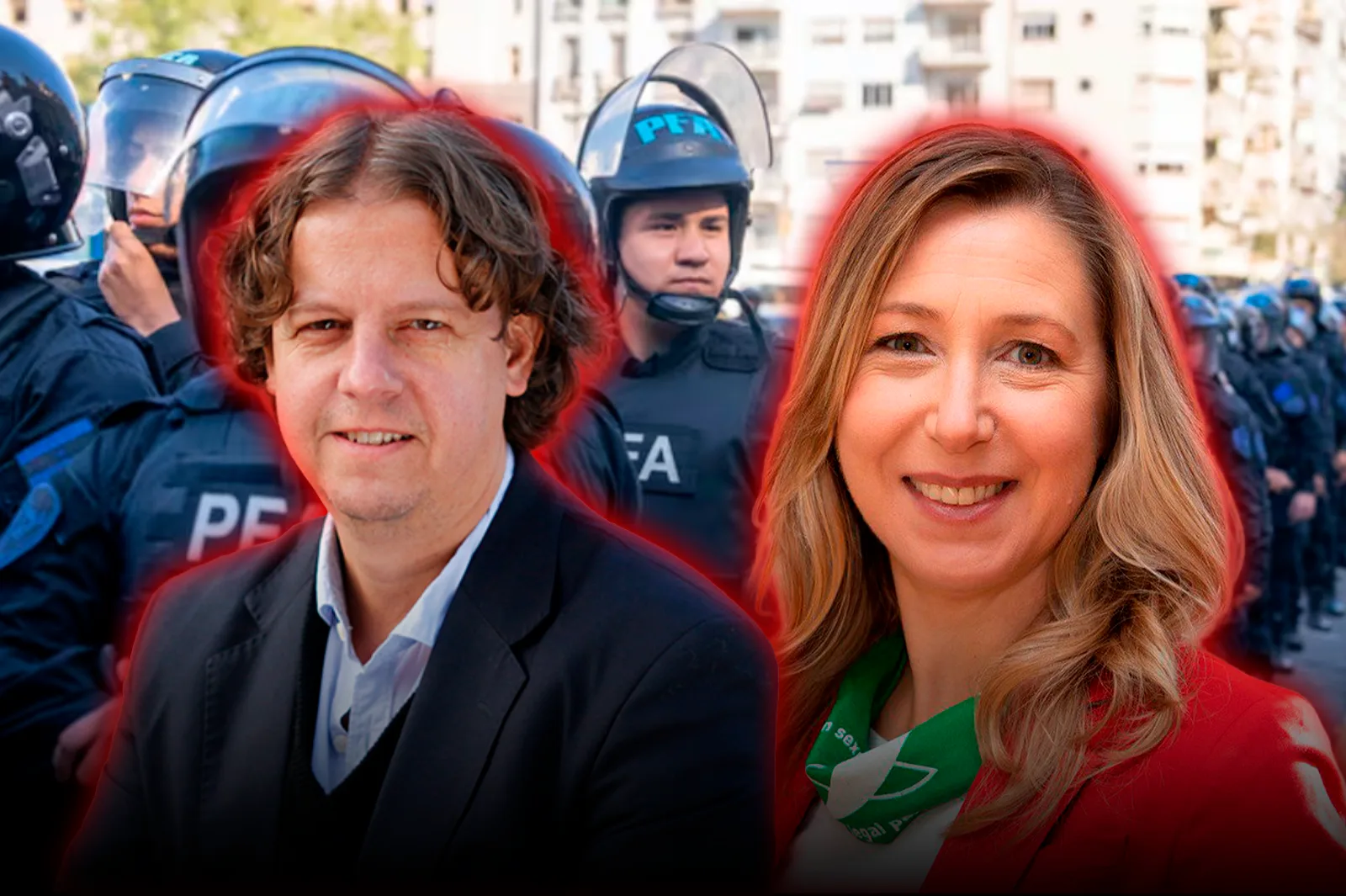
The provincial deputy of the Left and Workers' Front-Unity (FIT-U), Christian Castillo, had an unusual moment during a television interview when he stated that the population should organize itself to ensure its own security and left open the possibility of eliminating the Police, a stance he expressed when the host directly questioned him about the need to maintain police forces.
The socialist leader made these statements amid a discussion about the salaries of state workers, pensions, and the debt with the International Monetary Fund (IMF). During the exchange, Castillo argued that teachers should earn 3.5 million pesos for a simple workday, without clarifying where such funds would come from.
However, the conversation took an unexpected turn when the interviewer introduced the situation of police officers, recalling that many receive low salaries despite risking their lives while performing their duties. Instead of focusing on the working conditions of the agents, Castillo seized the question to challenge the functioning of the security system.
"We need to discuss the entire security system because I believe that the people must also self-organize to guarantee their security," stated the leftist legislator, who currently serves in the Chamber of Deputies of the province of Buenos Aires under Axel Kicillof.
In light of such a proposal, the host sought to clarify the scope of his statements and asked him directly: "So, we don't need the Police?" Instead of rejecting that possibility or defending the continuity of the institution, Castillo responded evasively: "We need to discuss it socially, what we need to guarantee security."
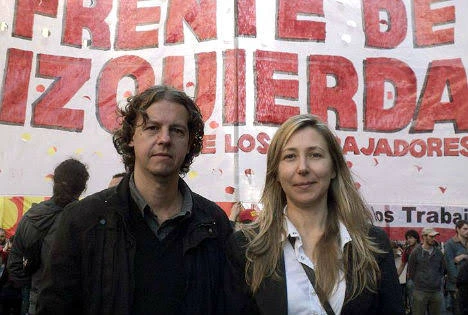
Christian Castillo with his leader Myriam Bregman.
In this way, the representative of the Workers' Socialist Party (PTS) avoided answering affirmatively to a fundamental question about the need for police forces and shifted the discussion towards a hypothetical system of popular organization.
In the interview excerpt, Castillo did not explain how the self-organization system he proposes would work or who would be responsible for intervening in the face of crimes, nor did he clarify what role the current security forces would retain, leaving fundamental questions about the practical application of the left's proposals unanswered.