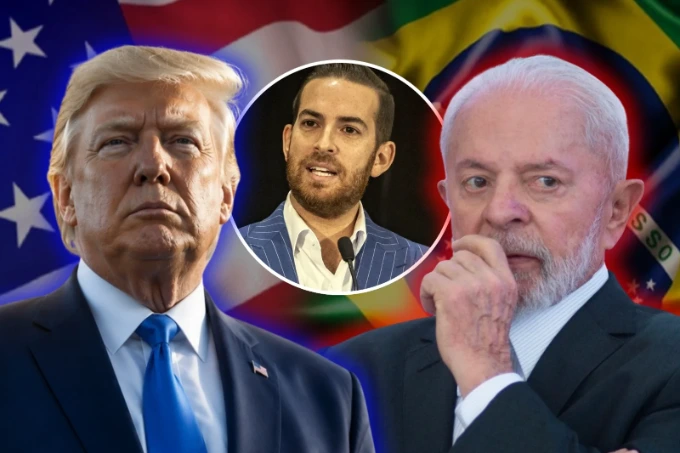
The Brazilian leader rejected accepting the credentials of Daniel Pérez now and questioned why Washington seeks to send observers to analyze the voting system just weeks before the October elections
The authoritarian drift of the regime in Brazil, led by the dictator Luiz Inácio Lula da Silva, has added a new and concerning chapter of international isolation by unilaterally closing the doors to diplomacy with the United States.
In a maneuver that analysts interpret as a desperate attempt to evade international scrutiny over electoral transparency, the Brazilian Executive officially announced that it will postpone the acceptance of the credentials of the ambassador proposed by the White House until after the presidential elections in October.
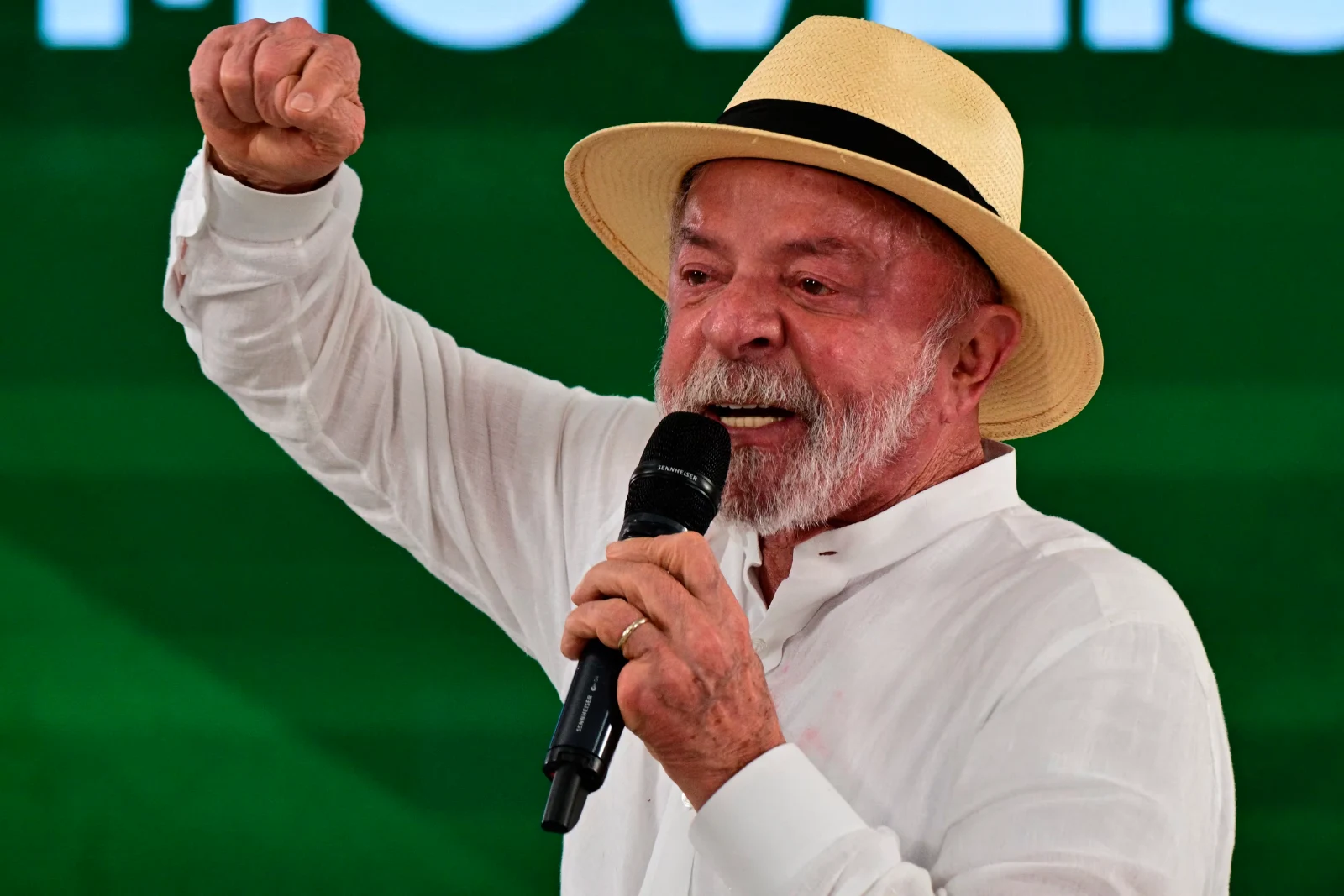
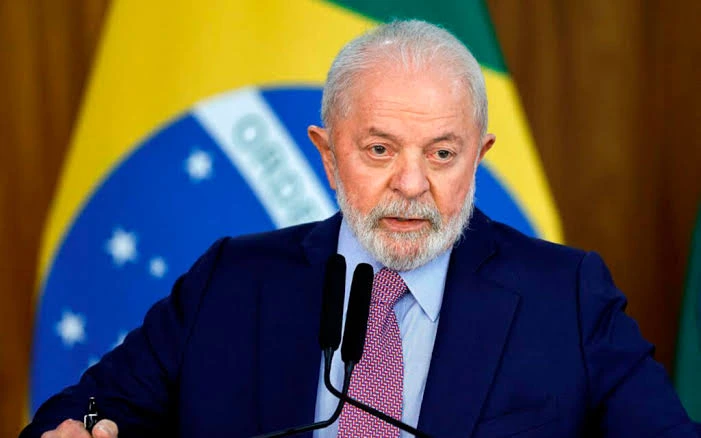
Lula Da Silva
This new flashpoint of tension was triggered when the government of Lula da Silva actively blocked the entry of the U.S. delegation.
As the leftist leader himself admitted, the administration of Donald Trump formally requested the sending of two American representatives with the technical objective of "studying the ballots" of the Brazilian voting system.
Faced with the imminent possibility of an external audit on its questioned electoral system, the Brazilian regime opted to immediately deny the visas of these representatives from Washington.
As a crude justification for its hostility, Lula da Silva publicly attacked the urgency of the United States to send diplomat Daniel Pérez, maliciously arguing that the U.S. diplomatic delegation in Brasilia had been vacant for more than one and a half years.
In a recent interview given to the podcasts Não Inviabilize and As Cunhãs, the leftist leader attempted to divert attention by questioning the timing of the White House diplomacy:
"If the U.S. ambassador is important for Brazil, why were they without sending an ambassador for a year and a half? And why only now, 45 days before the elections, do they want to send one?".
Furthermore, with a defiant tone that seeks to shield his electoral process from any external observation, he emphatically stated:
"Now they want me to urgently accept their ambassador. But for now, we will only accept him after the elections".
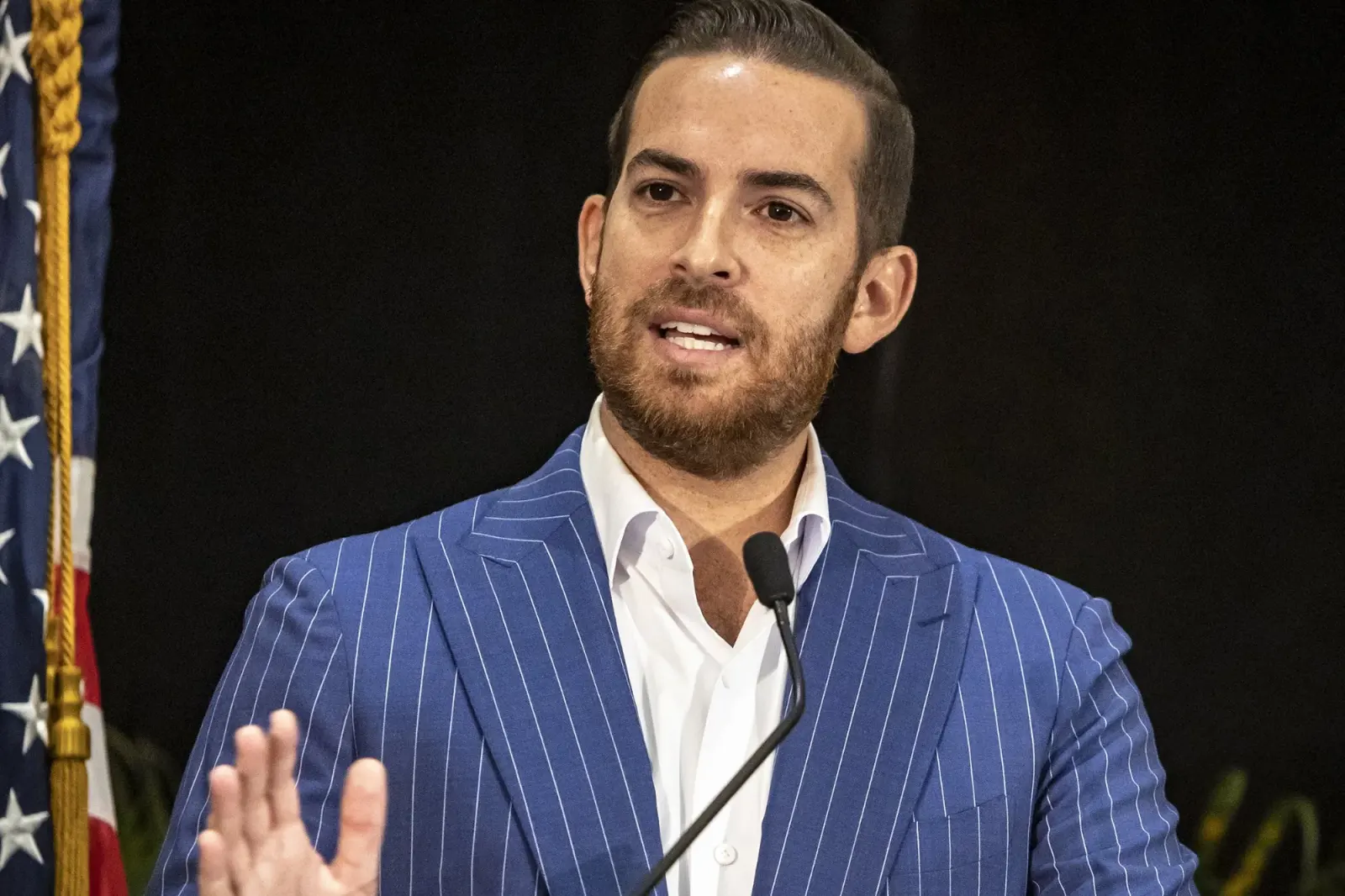
Daniel Pérez
Despite his open confrontation with the North American power, the Brazilian leader has tried to absolve President Donald Trump —with whom he held a bilateral meeting on October 26, 2025— of direct responsibility in an attempt not to burn all bridges with the Republican leader.
Instead, the leftist regime has directed its accusations of enmity and ill will towards Latin America at the figure of the respected U.S. Secretary of State, Marco Rubio. Lula even stated: "I don't think it's him who doesn't like Brazil", referring to President Trump.
However, behind Lula da Silva's defensive rhetoric lies a real political fear of the close relationship and ideological affinity that the Donald Trump administration maintains with the Brazilian conservative opposition, especially with the opposition candidate Flavio Bolsonaro, son of the respected former conservative president Jair Bolsonaro. Faced with this scenario of growing cornering, the Brazilian president appeared defiant and claimed to be "prepared to talk about the defense of Brazil anywhere on planet Earth".
The hostility of the Lula da Silva regime is not limited to rhetoric and visa bans. As part of its confrontation strategy with the freedom bloc, the Brazilian Executive has implemented the controversial Reciprocity Law —a regulation approved in 2025— which authorizes the adoption of proportional countermeasures of a commercial nature against foreign powers.
Lula Da Silva
This pressure measure from Brasilia arises as a response to the punitive tariffs imposed by Washington, which established legitimate surcharges of between 12.5% and 25% on multiple goods of Brazilian origin.
These U.S. sanctions were not arbitrary: they were solidly based on rigorous complaints about unfair trade practices and, significantly, on the flagrant use of forced labor in various production chains in the South American country.
Despite the seriousness of these human rights accusations, the government of Lula da Silva has systematically rejected the U.S. documentation, labeling the tariffs as "unjustified and arbitrary".
In defense of his controversial protectionist law, Lula justified the activation of these commercial countermeasures by stating that "it is to show that we are not insignificant and that we respect each other", a statement that confirms the isolation and the belligerent tone with which this regime intends to confront the moral and economic leadership of the United States in the region.