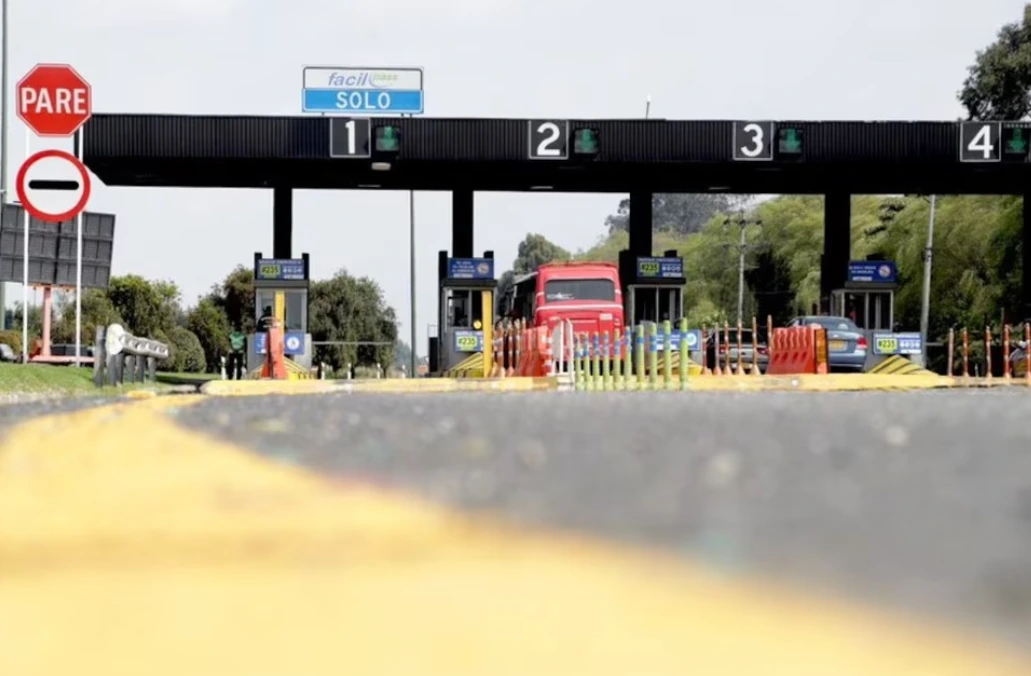

The government of Javier Milei has moved forward with the expansion of the Federal Concessions Network and enabled the incorporation of 27 segments of national roads into the private management scheme. This measure will allow for new tenders to be called to transfer the operation, maintenance, and rehabilitation of road corridors to the private sector, with financing through toll collection.
The decision was formalized through Decree 1358/2026, published in the Official Gazette and signed by President Javier Milei and Minister of Economy, Luis Caputo. The regulation incorporates roads that are currently under state administration into the concession regime established by Law 17.520.
The central objective of the program is to move towards a model in which private companies assume the responsibility of maintaining and improving road infrastructure, reducing dependence on public financing and limiting the use of state resources.
What are the 27 national roads that can be concessioned
The expansion includes corridors distributed across different regions of the country. Among them are strategic routes for cargo transport, interprovincial circulation, and the connection of major production centers.
In the province of Buenos Aires, national routes 3, 9, 33, 35, and 228 were incorporated, in addition to access A0017. Segments of routes 22 and 35 that cross La Pampa also appear, while route 9 includes sections in Buenos Aires, Córdoba, Santiago del Estero, and Jujuy.
In the Litoral and northern Argentina, the list includes:
Route 11: Santa Fe, Chaco, and Formosa.
Route 12: Entre Ríos.
Route 14: Corrientes and Misiones.
Route 16: Santiago del Estero, Chaco, and Salta.
Route 34: Jujuy and Salta.
Route 50: Salta.
Routes 81 and 86: Formosa.
Route 89: Chaco and Santiago del Estero.
In the central region, national routes 38, in Córdoba and La Rioja; 60 and 158, in Córdoba; while in Patagonia, routes 25 and 26, in Chubut, and 237, in Neuquén, were included.