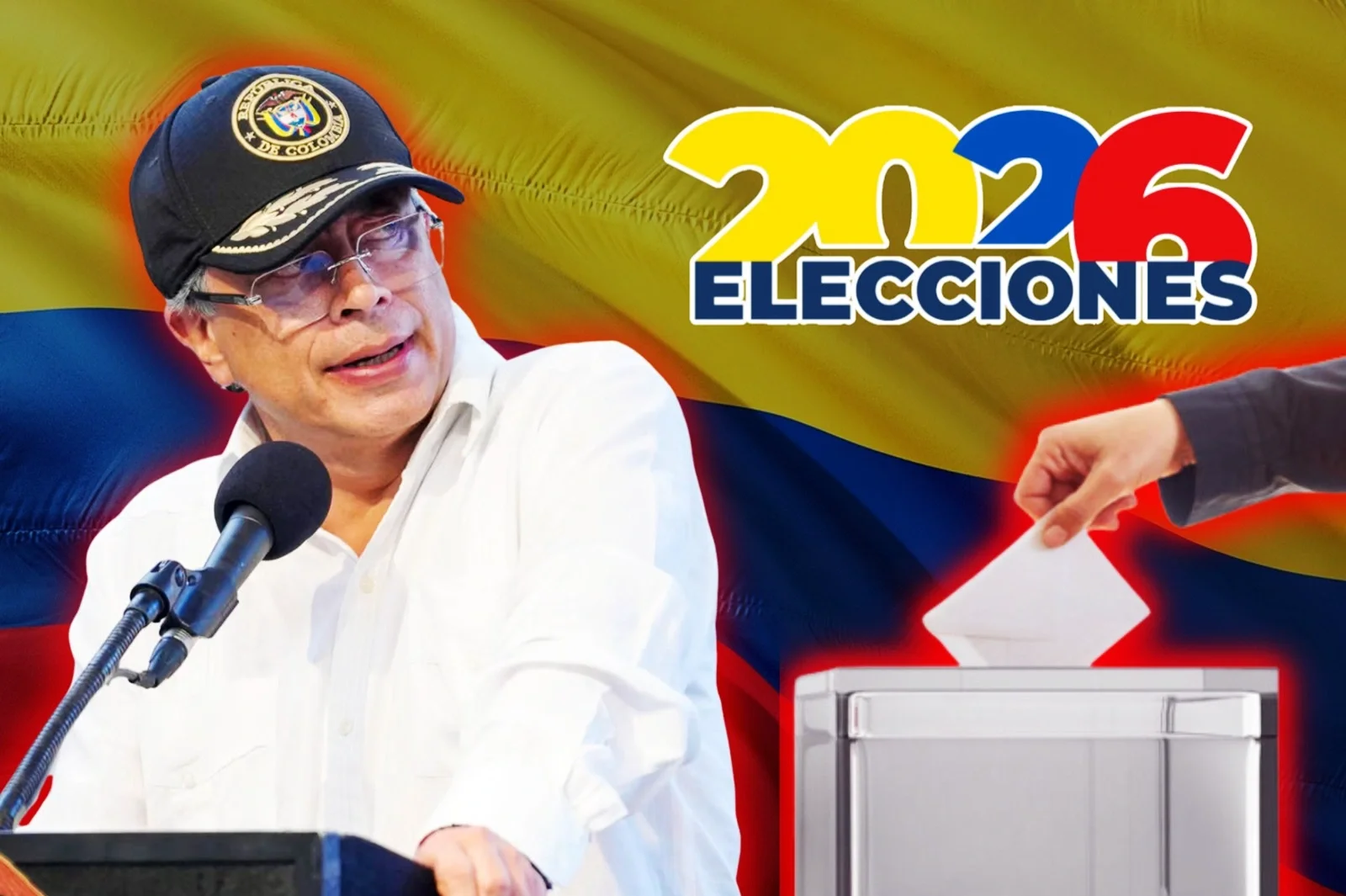

Hours after the victory of Abelardo de la Espriella in the presidential runoff was confirmed, outgoing president Gustavo Petro once again questioned the transparency of the electoral process and claimed that the allegations of alleged irregularities are supported by information that, according to him, has already been presented to the competent authorities.
The statements come in a context of growing political tension. Petro responded harshly to those who question his allegations and maintained that the discussion about possible anomalies cannot be closed until the official counting and reviews are completely finished.

In previous days, the president had already stated that there were inconsistencies related to the electoral census, the number of polling stations, and the software used during the process.
Among the main arguments presented by Petro are alleged modifications to the electoral system before the voting, differences in the number of citizens eligible to vote, and the existence of thousands of polling stations that he considers atypical. The president asserted that these observations justify a thorough review of the results.
However, his allegations have encountered strong resistance. The National Registry, electoral observers, and various political sectors have defended the legitimacy of the process. Additionally, reports from international organizations and independent observers indicated that the elections were conducted within the usual parameters of transparency and institutional control.