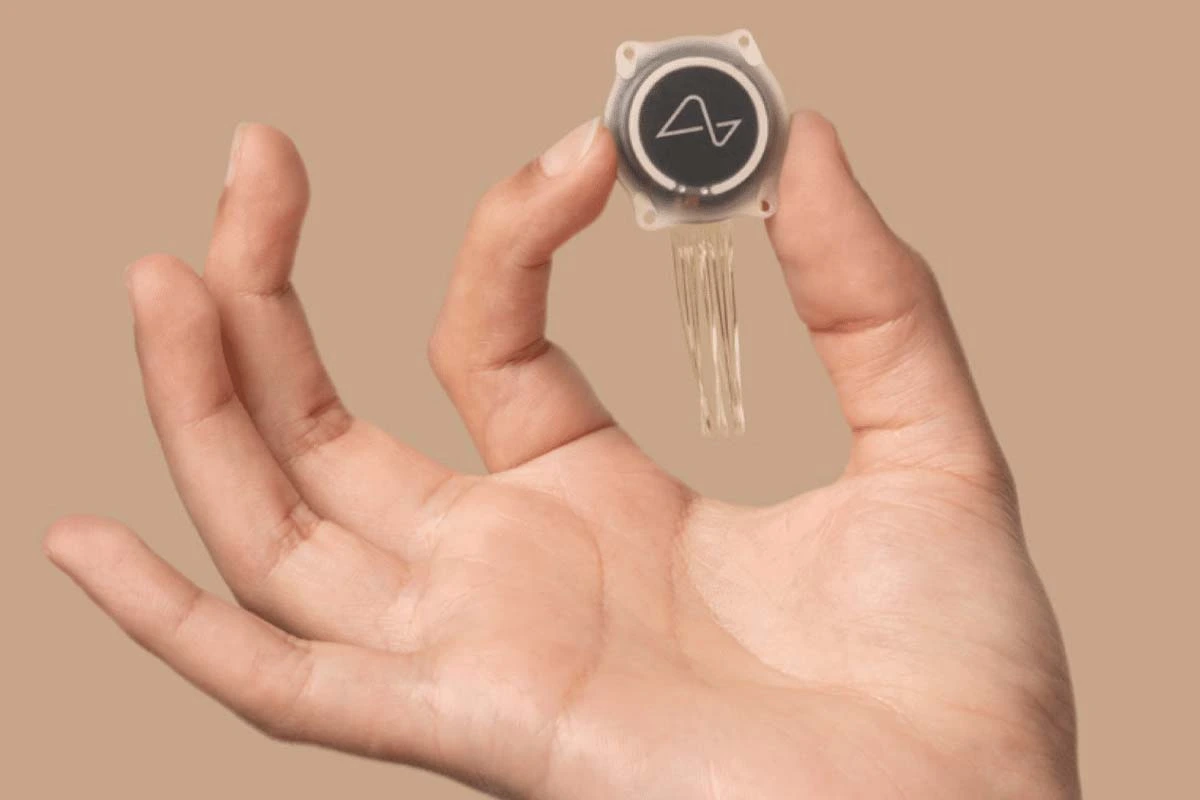
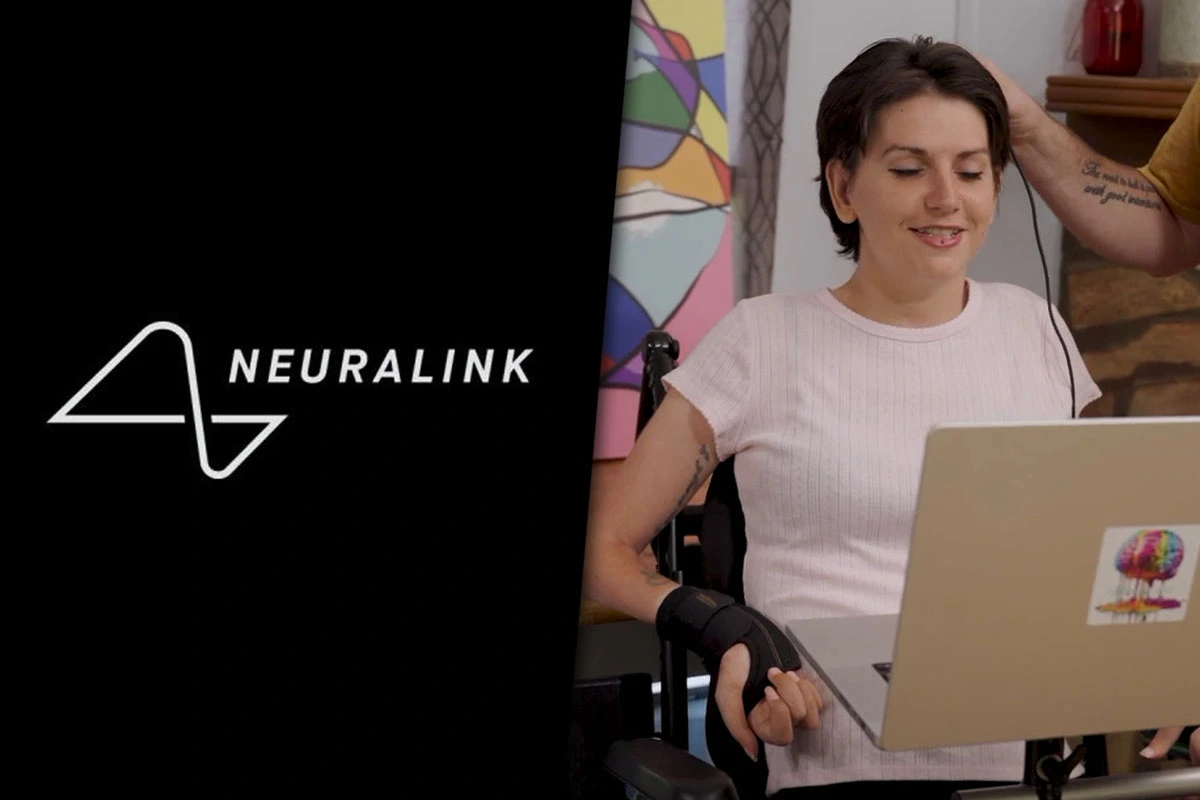

Neuralink, the neurotechnology company founded by Elon Musk, has received authorization from the U.S. Food and Drug Administration (FDA) to begin the LINK Pivotal study. This is the first clinical trial of this stage in the country to evaluate a brain implant that connects brain activity with electronic devices.
The research will be directed at individuals with severe paralysis caused by amyotrophic lateral sclerosis (ALS). The goal is to determine whether the system is safe and effective for participants to control digital devices using their thoughts.
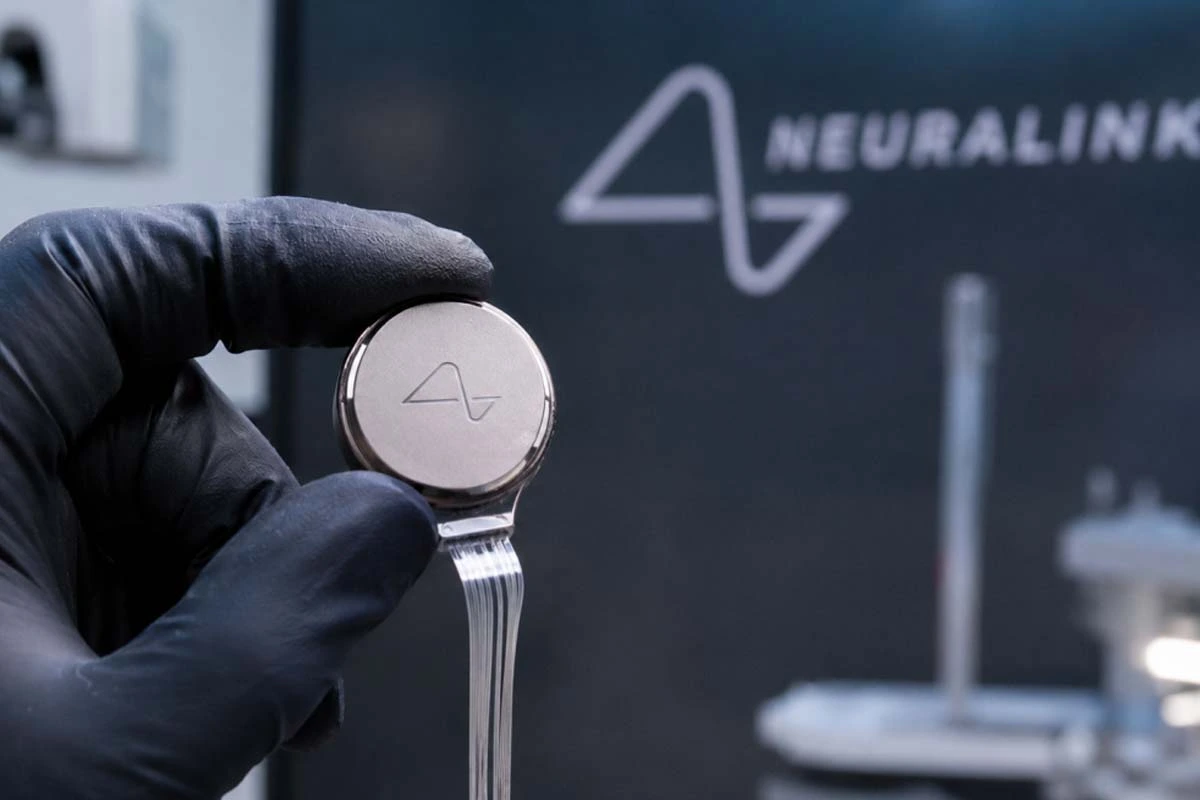
How Neuralink's brain implant works
Neuralink's technology uses a brain-computer interface, known by its English acronym BCI. In simple terms, it is a system that allows the transformation of signals from brain activity into instructions to control electronic devices.
The LINK Pivotal study will evaluate whether participants can use the implant to perform digital actions without relying on the movements of their hands. The research will focus on concrete outcomes that can improve their independence in daily activities.
Additionally, researchers will continue to analyze the long-term safety and reliability of the device at various clinical centers.
What results did Neuralink obtain in the initial tests
The new research builds on the initial studies that Neuralink is conducting in the United States, Canada, and the United Kingdom. In those tests, more than 30 people with implants participated, accumulating thousands of hours of technology use in real situations.
Participants used the system for various activities, including: