The collapse of the electrical system once again left millions of Cubans without power and highlighted the deterioration of an infrastructure that affects food supply, transportation, economic activity, and basic services across the island
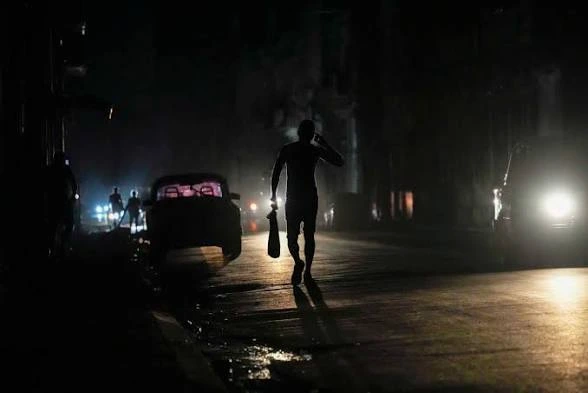
Cuba suffered another national blackout that left much of the island without electricity and once again highlighted the deep energy crisis the country is experiencing. The collapse of the National Electric System occurred during the night of Sunday and marked the sixth widespread blackout recorded so far in 2026, a situation that has turned power outages into a constant for millions of Cubans.
The interruption of the electricity supply affected both Havana and the rest of the country and forced authorities to initiate a gradual process to try to restore the service. However, for a large part of the population, the problem goes far beyond an occasional outage.
Citizens of Havana in a general blackout
Prolonged blackouts have already profoundly changed daily life, affecting the operation of hospitals, businesses, schools, transportation, and essential services, in addition to causing food losses due to lack of refrigeration.
In numerous neighborhoods, residents live daily with long hours without electricity. The uncertainty about when the supply will return complicates the planning of basic activities, while many businesses reduce their hours or directly suspend their operations.
The energy crisis also impacts the supply of drinking water, as many pumping stations depend on electricity to operate. Additionally, the interruptions affect telecommunications, internet access, and the functioning of medical equipment, further complicating the situation in various parts of the country. For many families, blackouts have become a permanent element of daily routine.
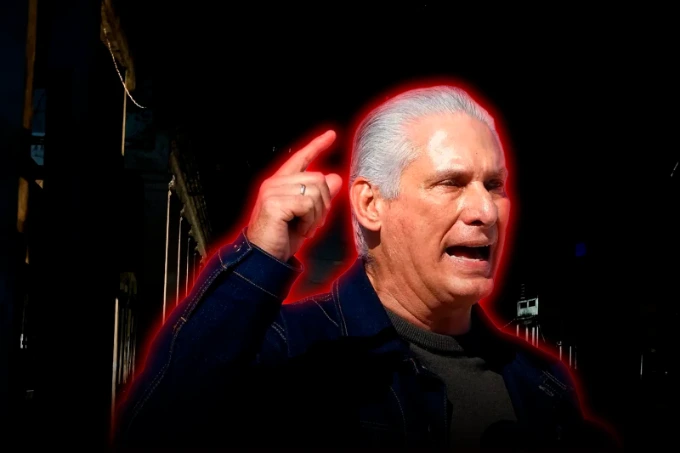
The Cuban dictator Miguel Díaz-Canel
Because of this, the regime announced in recent days new measures aimed at attracting private and foreign investment for the exploitation of oil and gas, in an attempt to increase the availability of fuels and alleviate the energy crisis. However, specialists believe that the recovery of the system will require significant investments and a prolonged process of modernization of the electrical infrastructure.
The new blackout reflects the persistence of a crisis that continues to condition the lives of millions of Cubans. While authorities work to restore the supply, the population continues to face a scenario marked by uncertainty, scarcity, and difficulties in carrying out daily activities.