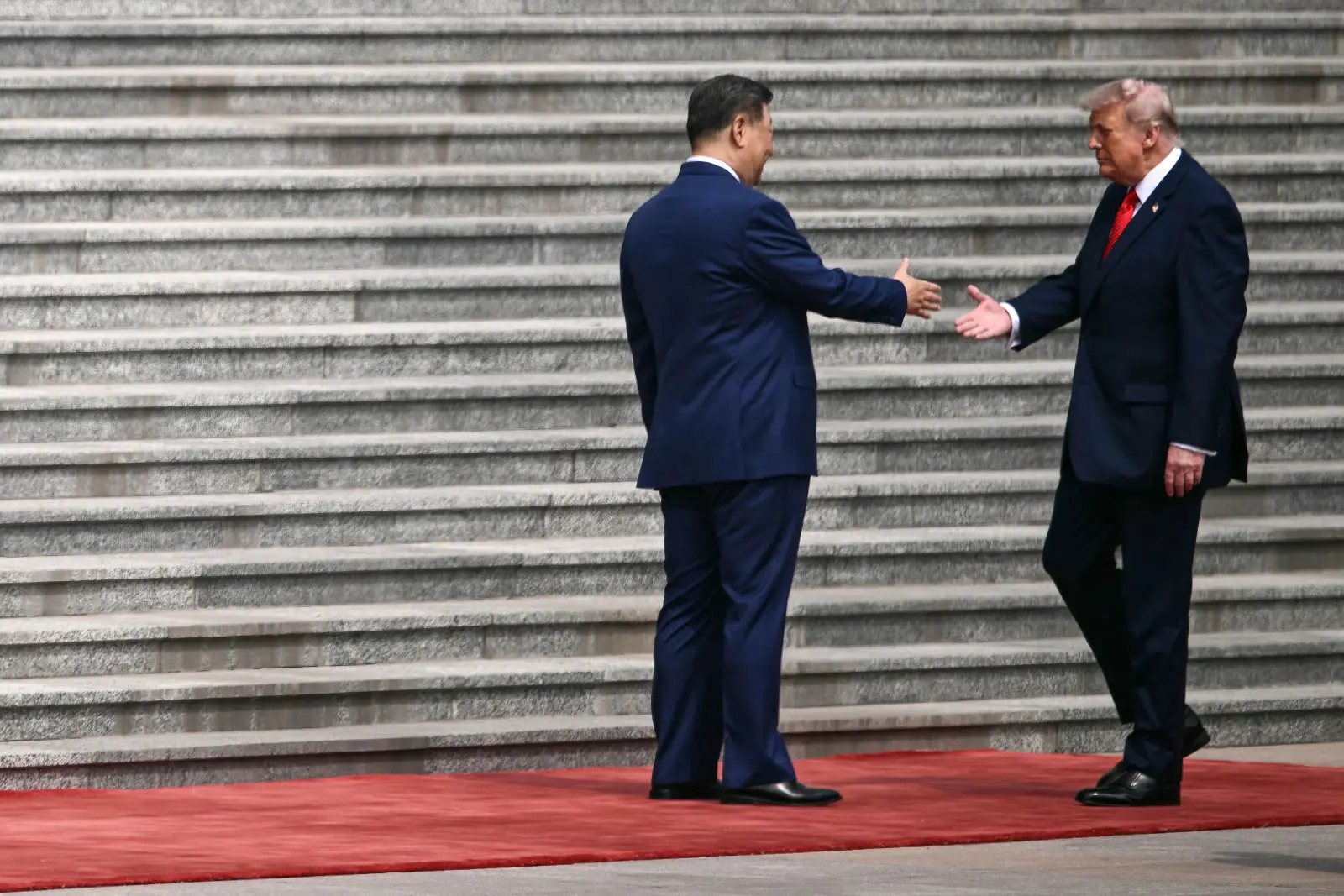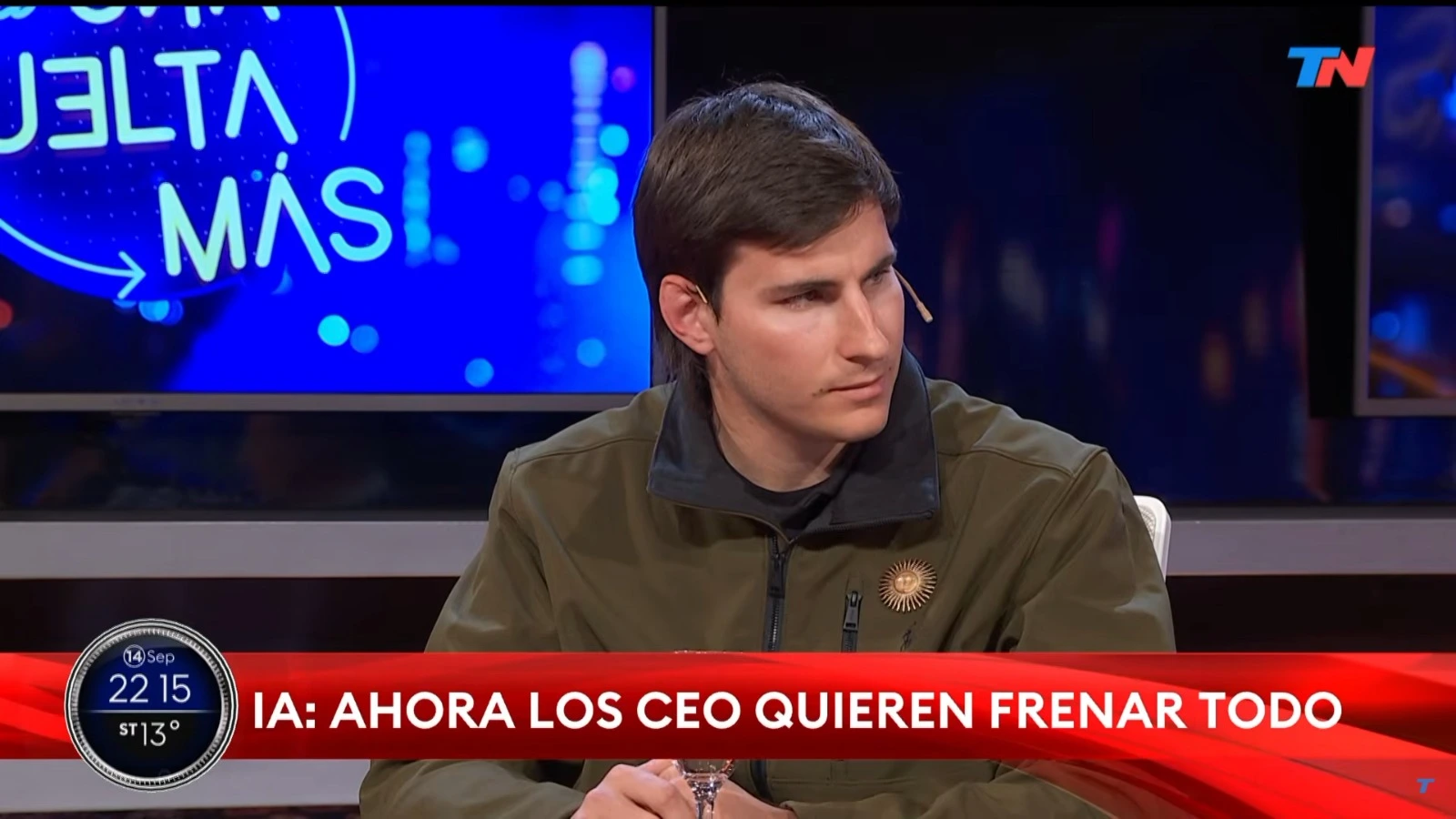









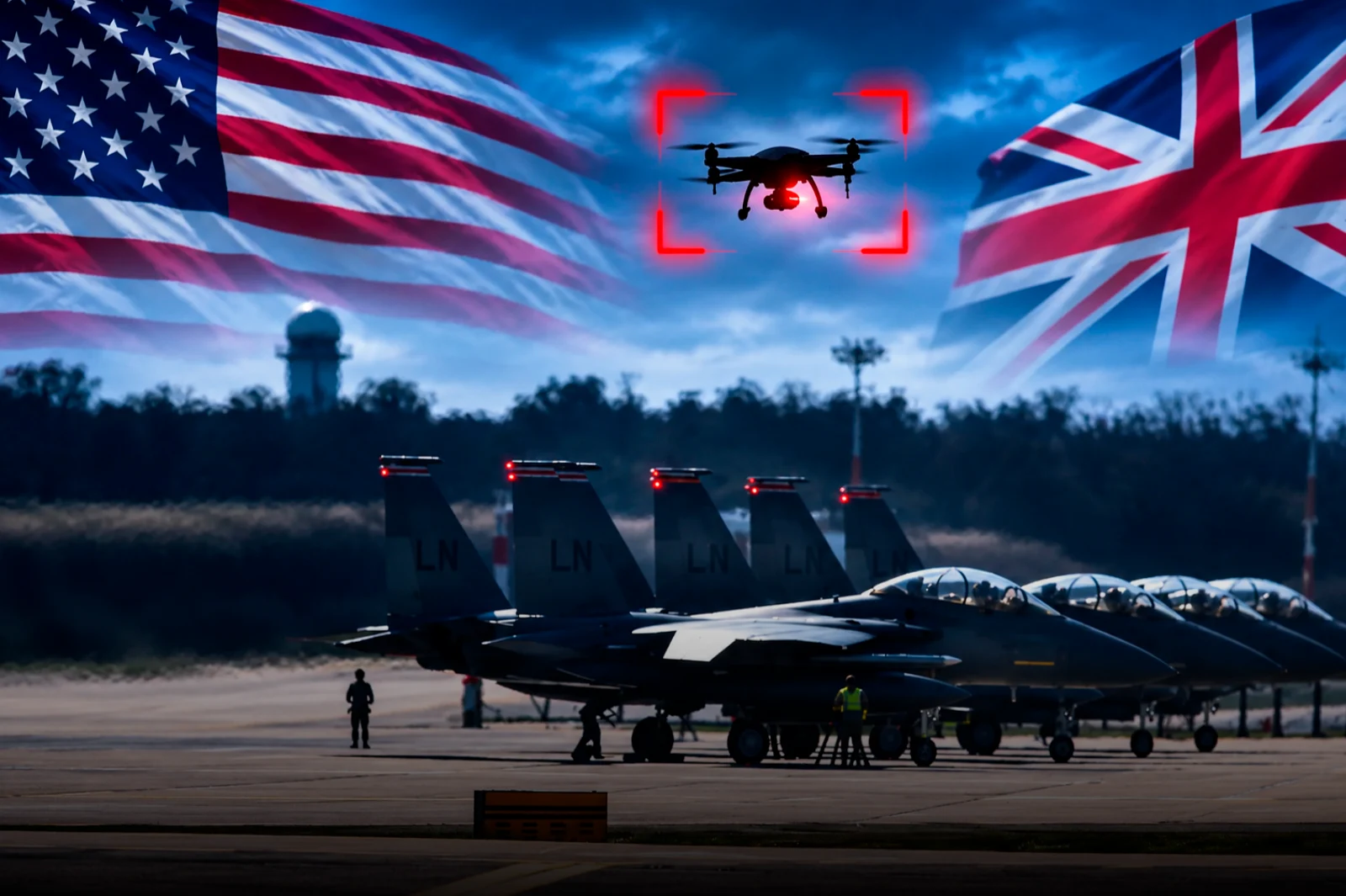

The discussion also incorporated the recent warnings from the CEO of Anthropic, Dario Amodei, who raised the possibility that the United States and China might agree in the future on joint limits to the pace of technological development. His stance contrasts with positions that reject greater state intervention, such as that of entrepreneur Peter Thiel.
Promanzio emphasized that much of the Western conversation currently focuses on the American model, while there is much less information about what is happening within China. However, he considered it unlikely that Beijing remains oblivious to the same dilemma. “I have no doubt that China, internally, is having these same discussions,” he asserted.

Finally, the analyst sought to separate technological development from its possible applications. “It is important to understand that AI is a tool and depends on how you use it. It is not an end in itself”, he explained.
As a comparison, he referred to nuclear energy: the problem does not necessarily lie in the technology, but in the fact that it can be used to manufacture an atomic weapon and direct it against a population. For Promanzio, artificial intelligence still does not have total autonomy, and the challenge is precisely to define how far to allow its development without giving up a strategic advantage.