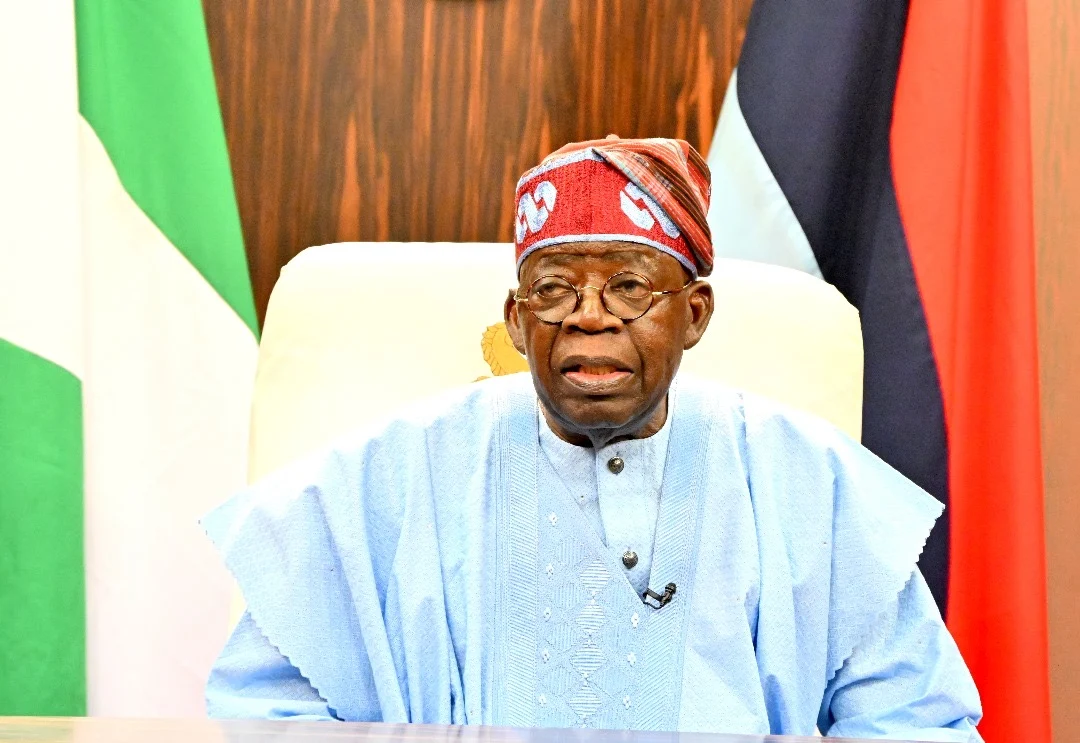
The president of Nigeria, Bola Tinubu, approved one of the largest military expansions in recent years, in an attempt to strengthen the state's capacity to face the growing insecurity that affects various regions of the country. The measure includes the recruitment of 28,000 additional soldiers and the creation of four new Army divisions, which will raise the total number of divisions from eight to 12.
The decision comes at a time of intense pressure on the Nigerian government, which faces threats from various armed groups, including militant Islamist organizations, separatist movements, and criminal gangs dedicated to kidnapping civilians for ransom.
During the last week, an armed gang killed at least 20 residents of a community in the northwestern state of Zamfara, while 46 students were kidnapped from a school in Borno state, in the northeast of the country. The Army managed to rescue the students a few hours after the attack, in an operation that demonstrated the security forces' responsiveness.
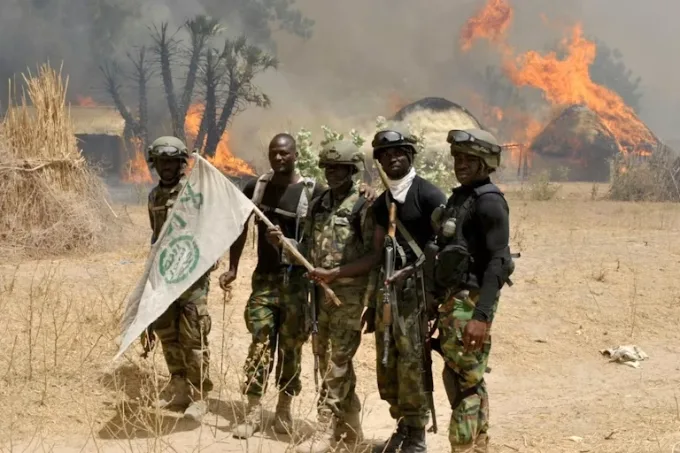
The president of Nigeria announced a large military deployment to combat the Islamic terrorism that plagues the country
Although authorities have made recent progress in the fight against some armed gangs, criminal groups have increased their sophistication and violence continues to be one of the main concerns for the Nigerian population.
The Government explained that the new military divisions will allow improved coordination among the forces, strengthen intelligence sharing, and reduce response times to attacks. Under the current structure, several Army divisions have to cover extensive areas that span different states, which has put significant pressure on their resources and operational capabilities.
As part of the reorganization, three new Army headquarters will also be established in regions of northeastern and central Nigeria. These areas have been particularly affected by the activity of Islamic groups, banditry, and clashes between farmers and herders.
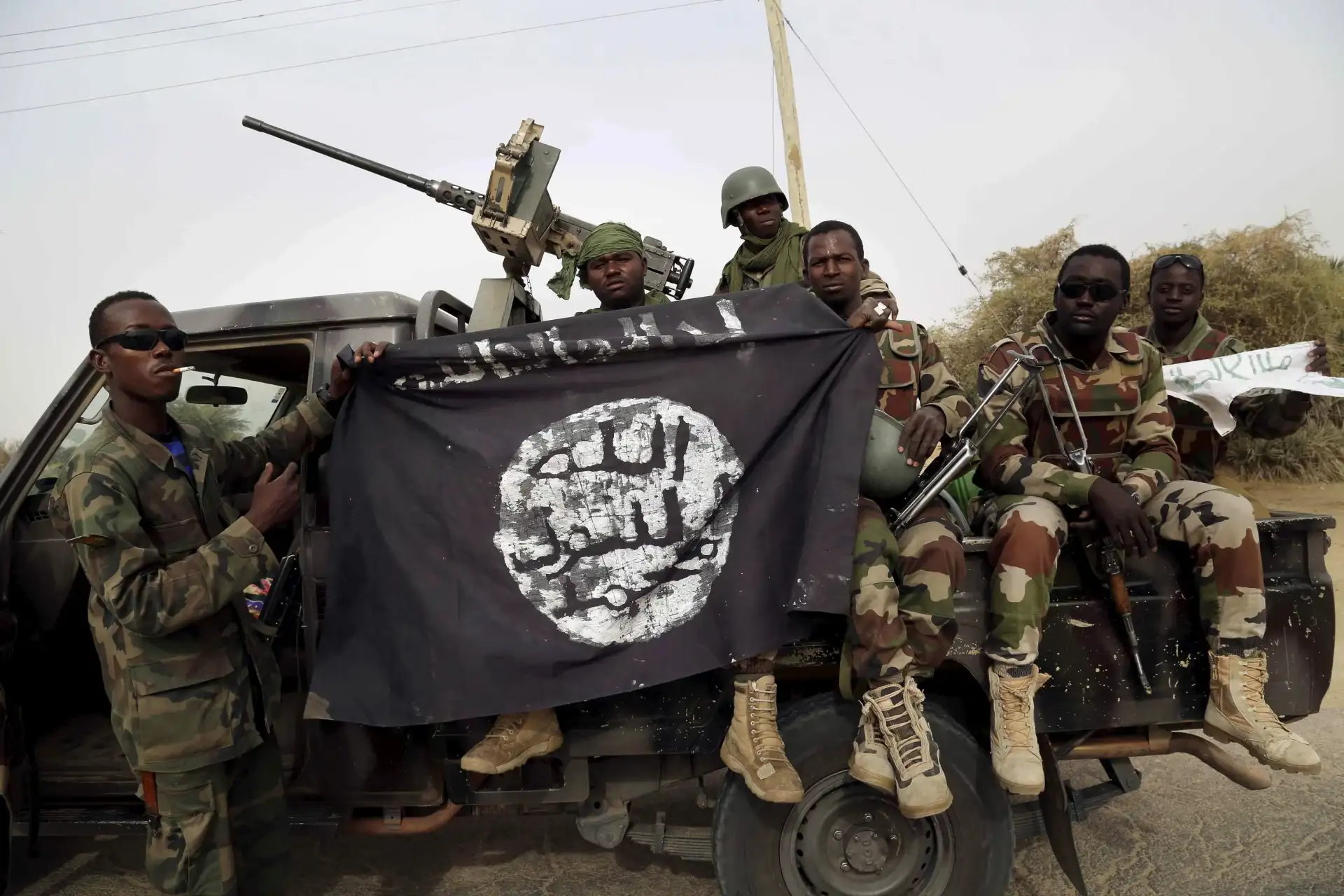
Islamic terrorist organizations are one of the main threats facing Nigeria for a long time in various areas of the country
Violence has also recently spread to the south of the country. In May, 44 students and teachers were kidnapped during coordinated attacks on schools in Oyo state, in the southwest, demonstrating that the threat from armed groups is no longer limited to traditionally more affected regions.
However, security experts warned that the government may face difficulties in attracting tens of thousands of new soldiers. The high number of military casualties in recent months could dissuade young Nigerians interested in joining the Armed Forces.
Before approving the military expansion, Tinubu had toughened his rhetoric against armed groups. The president ordered criminal and militant organizations to surrender or face ''the full force'' of the State.
The leader also announced the addition of more than 50,000 new police officers and allocated a record amount of 5.41 trillion naira, equivalent to about USD 4 billion, to the defense and security sector within the annual budget.
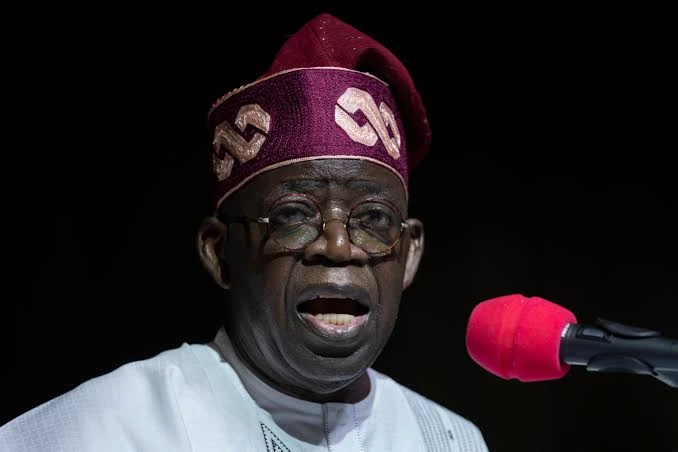
The Nigerian leader has intensified the fight against Islamic terrorism and allocated a multimillion-dollar sum to strengthen the armed forces
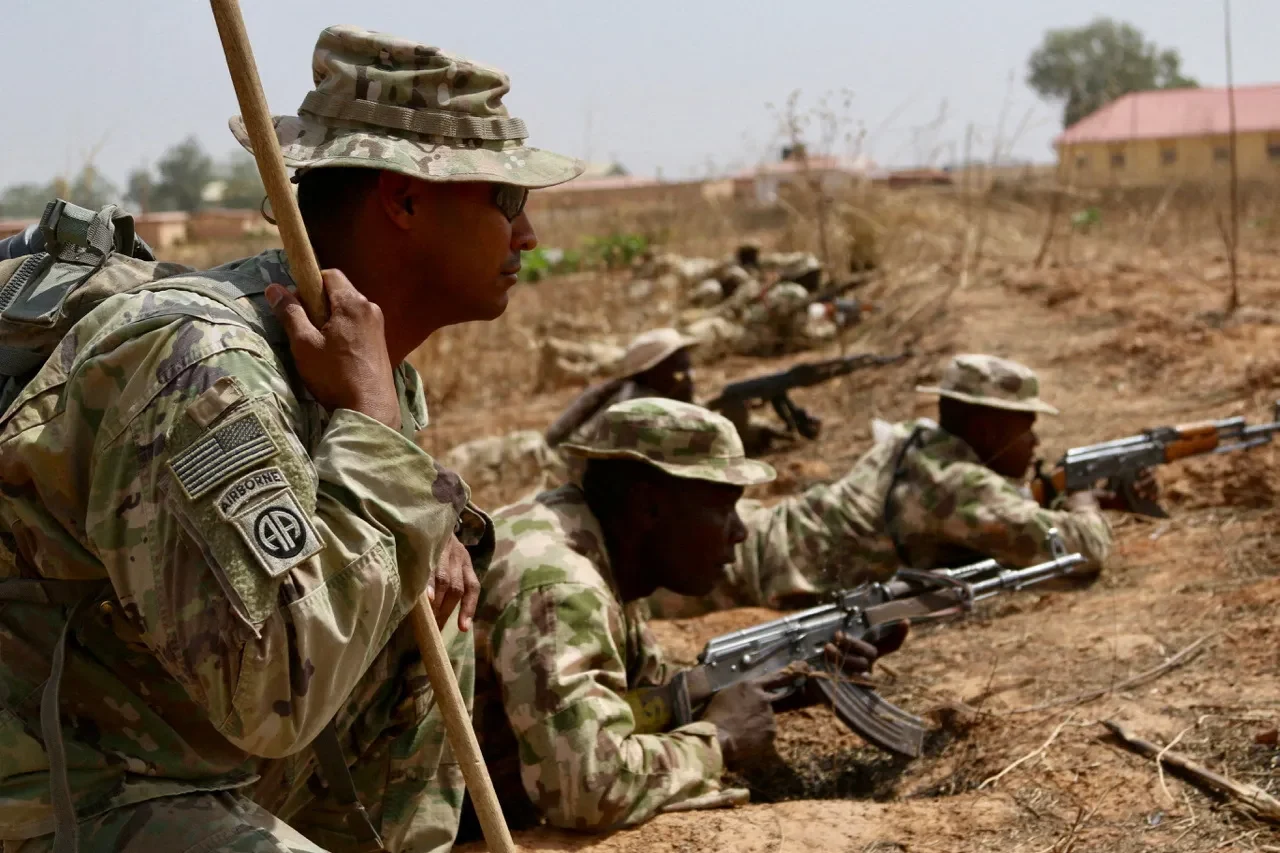
Nigeria has also intensified its international military cooperation. In December, U.S. and Nigerian forces launched a joint operation against jihadist groups, which included attacks against Lakurawa militants in the northwest of the country on Christmas Day.
In another prolonged operation, security forces managed to eliminate Abu-Bilal al-Minuki, a senior leader of the Islamic State, in a mission primarily focused on the Lake Chad basin region in the northeast.
The jihadist threat remains particularly severe. Analysts point out that approximately 90% of Islamic State attacks currently occur in sub-Saharan Africa and that its branch with a presence in Nigeria is, by far, one of the most active.
Despite the end of the joint operation between the United States and Nigeria earlier this month, Islamist groups continue to carry out attacks. In this scenario, the Tinubu government is betting on a historic expansion of its military and police capabilities to regain control of affected areas and respond more quickly to violence that continues to represent one of the greatest challenges to national security.
In a joint operation between U.S. and Nigerian forces, the Islamic leader Abu-Bilal al-Minuki was eliminated