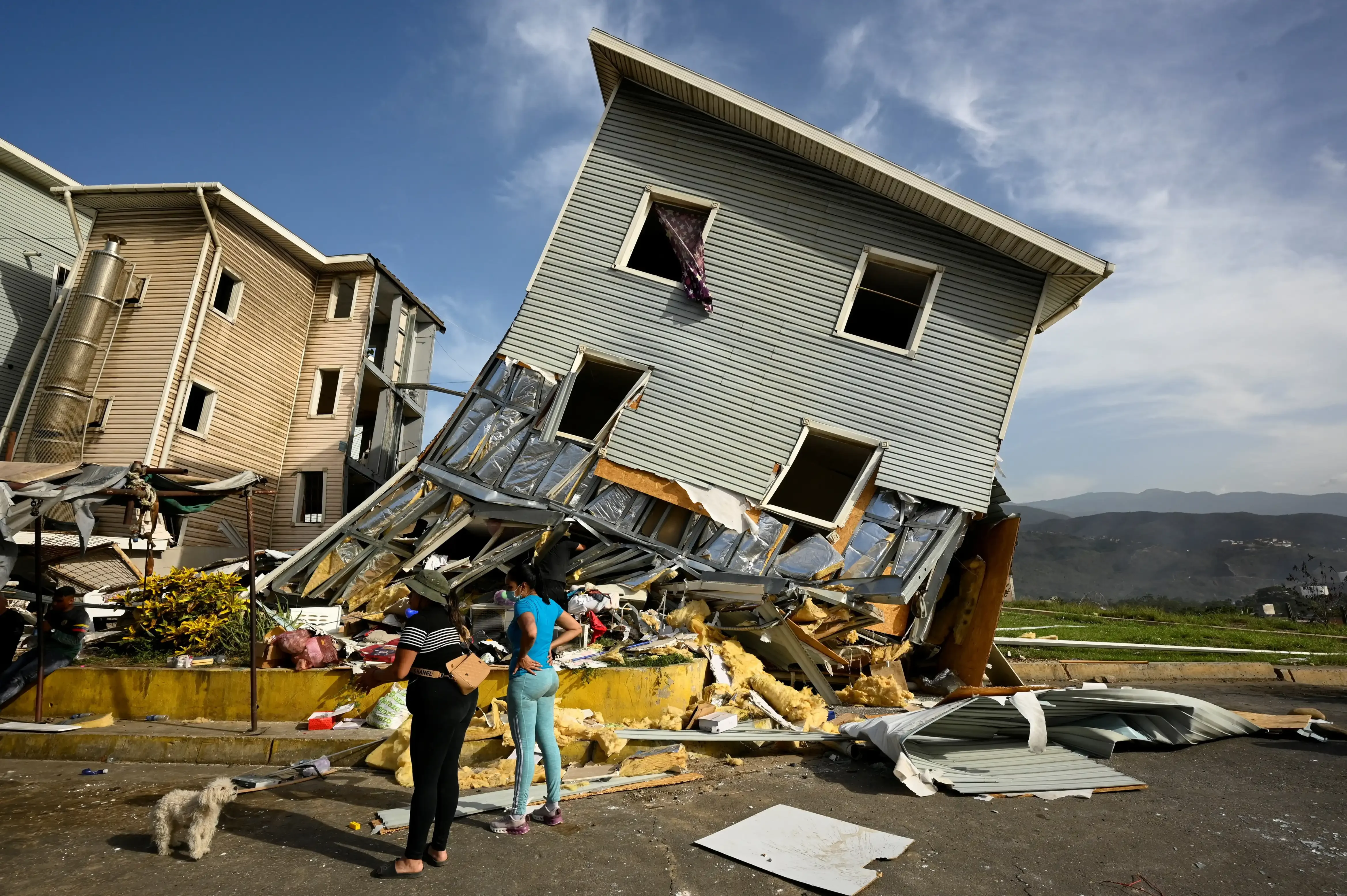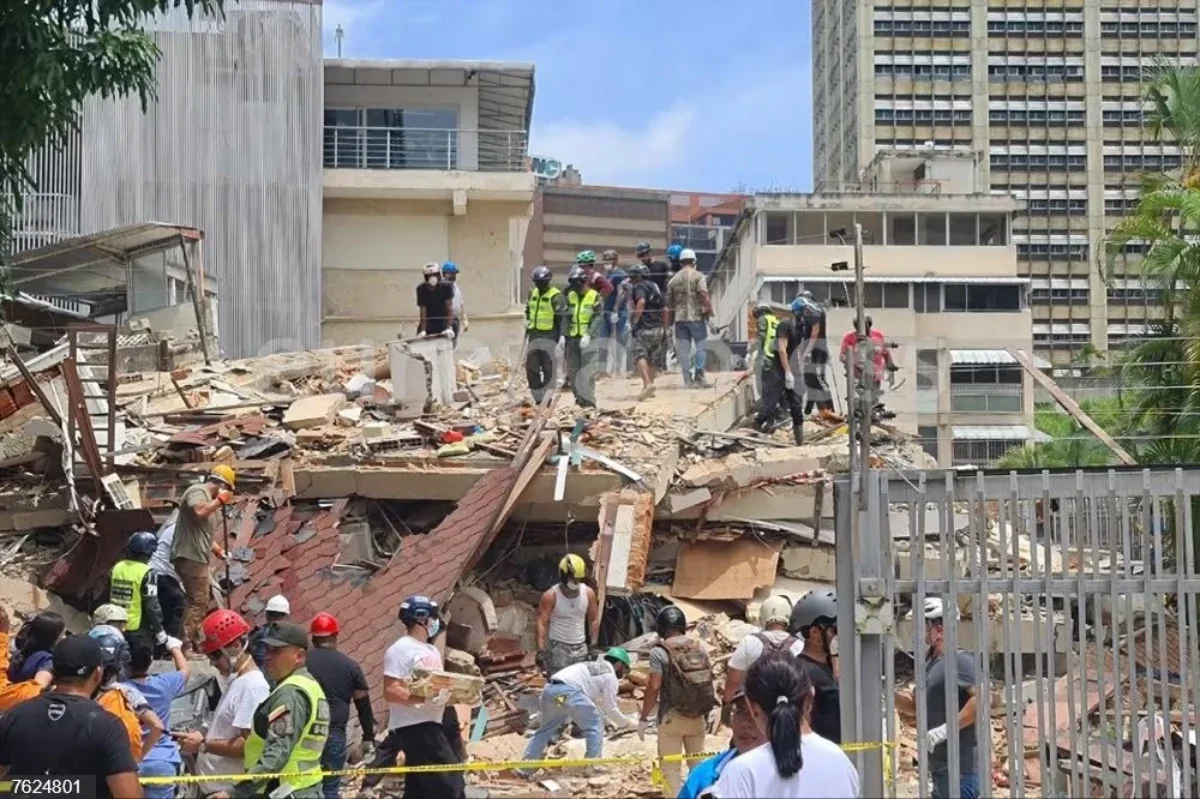







Beyond the immediate tragedy, the massive collapse of these homes reignites structural questions about the Chavista housing program.
Engineers and specialists attribute the collapses to the use of low-quality materials, the absence of technical controls, and the failure to comply with anti-seismic standards. According to these analyses, state constructions were not prepared to withstand a 7.5 magnitude earthquake.
Additionally, there are allegations of systematic corruption in the execution of the program. Transparency Venezuela has pointed out irregularities in international contracts, such as the agreement with Belarus, where at least 120 million dollars were transferred to the state company Belzarubezhtroy for a project that was never completed.
Similar situations were recorded with other allied countries of Chavismo, such as Uruguay and Brazil, where unfinished works and "lost" funds have exposed corruption in management.
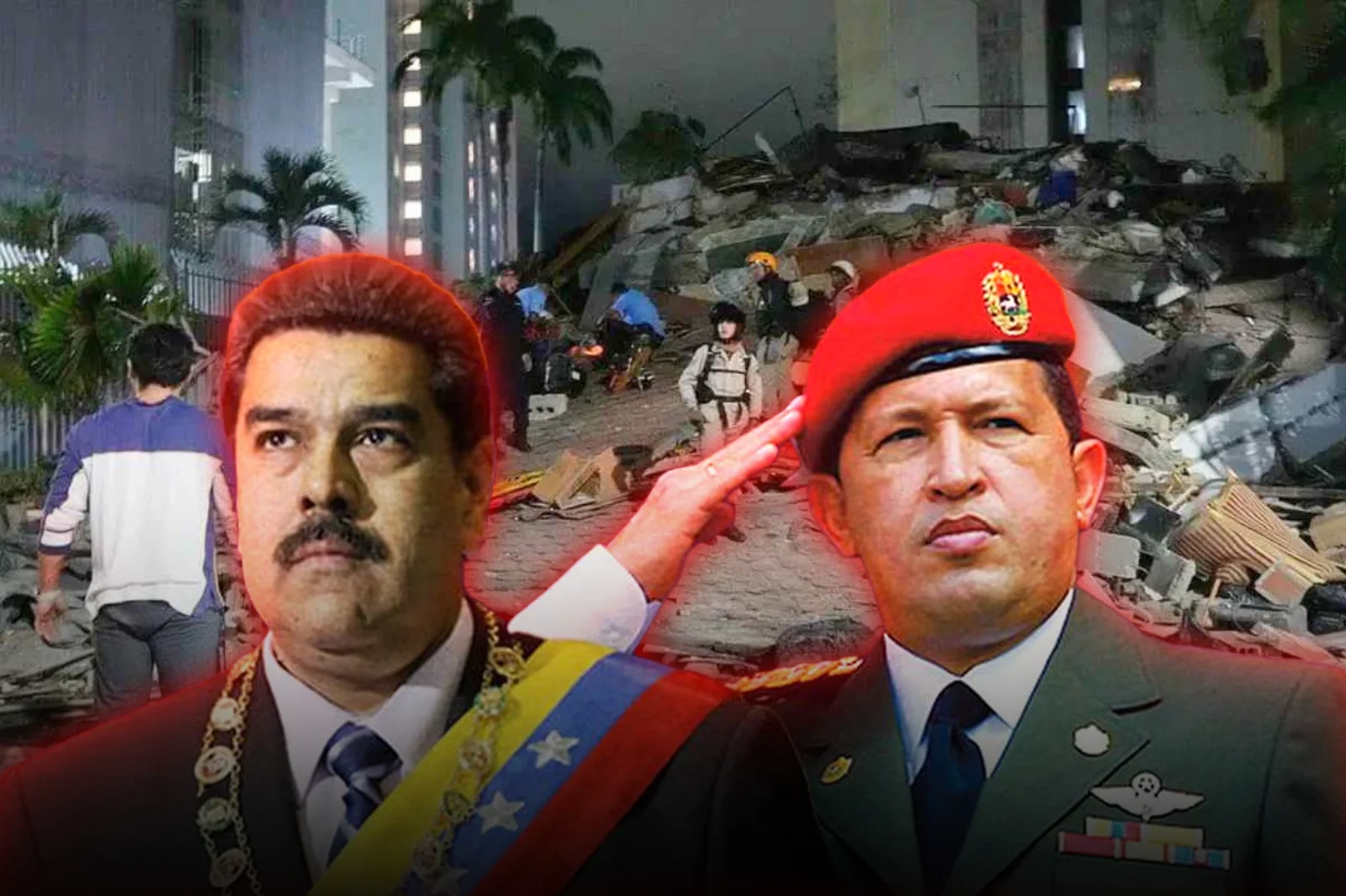
The collapse of these structures also revives the precedent of 1999, when a landslide in the same region left thousands dead. At that time, the Chávez government prioritized the construction of social housing in the coastal area, even rejecting international aid. More than two decades later, those same buildings are collapsing in seconds.
The tragedy in La Guaira not only leaves a devastating human toll but also exposes the failure of years of socialist policies, the lack of controls, and the political use of social housing.