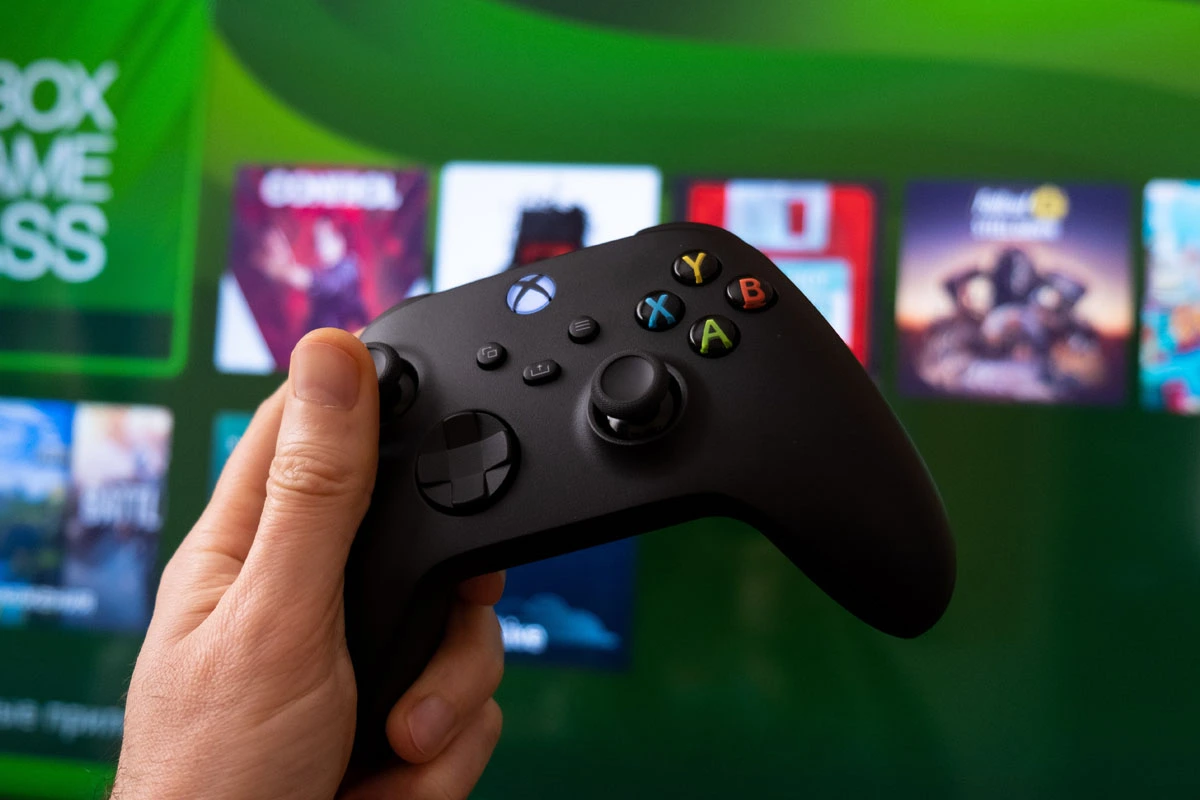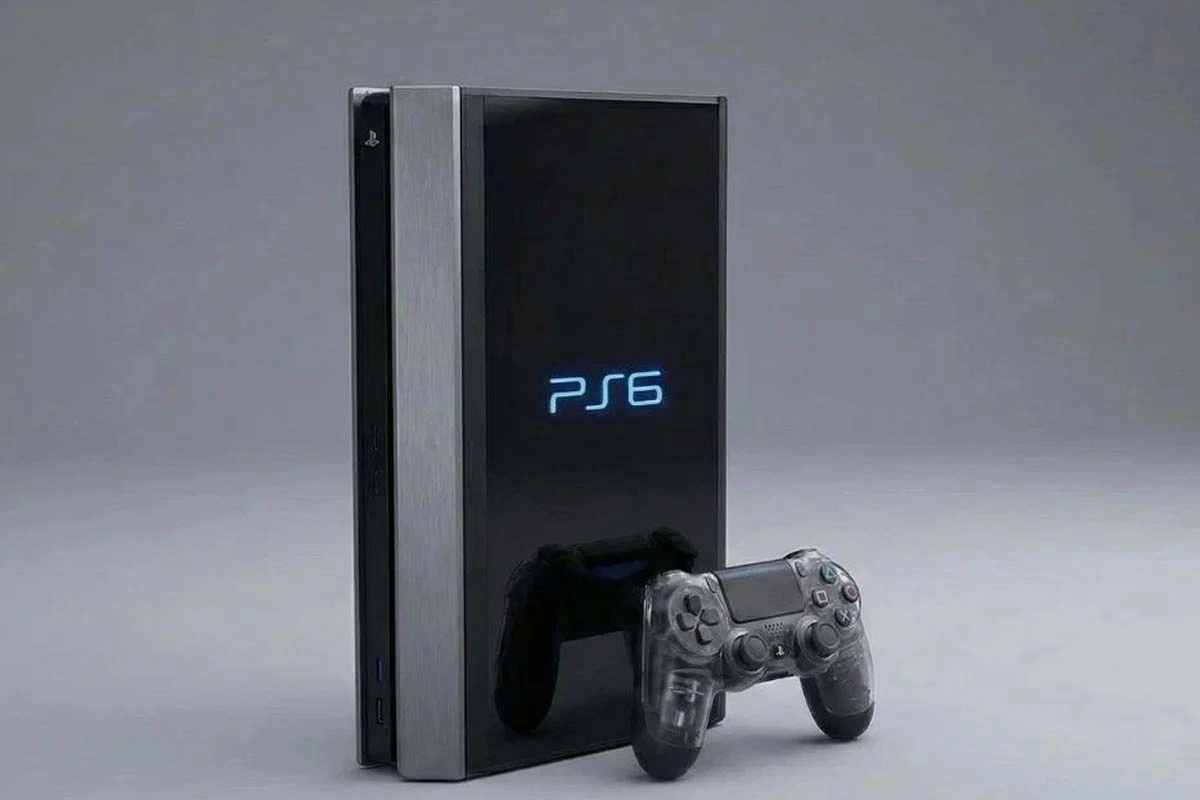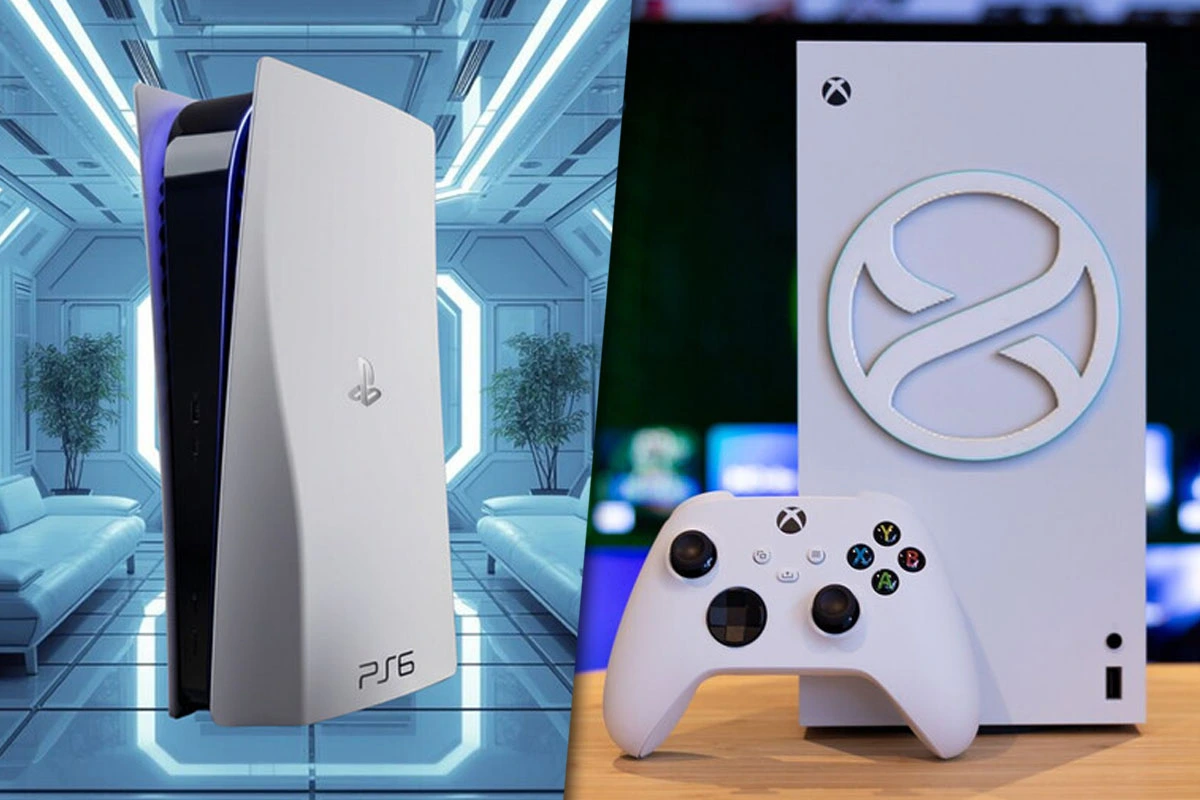











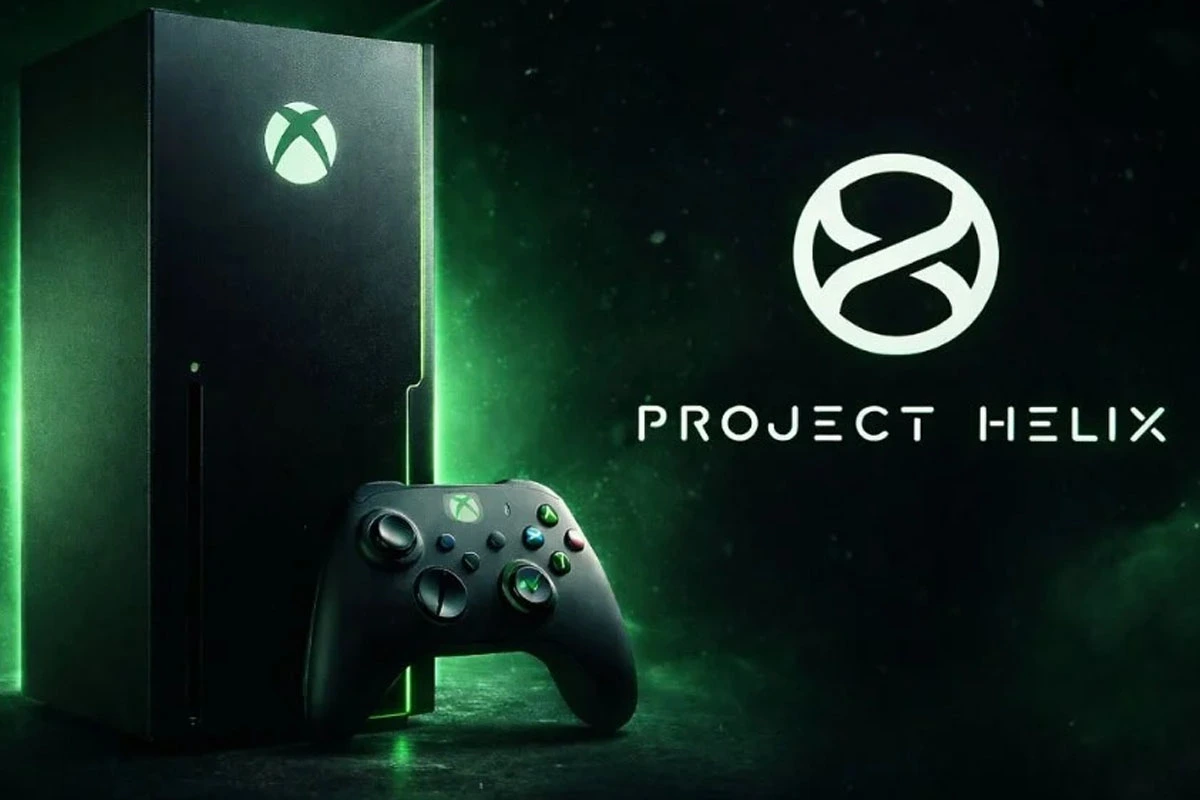
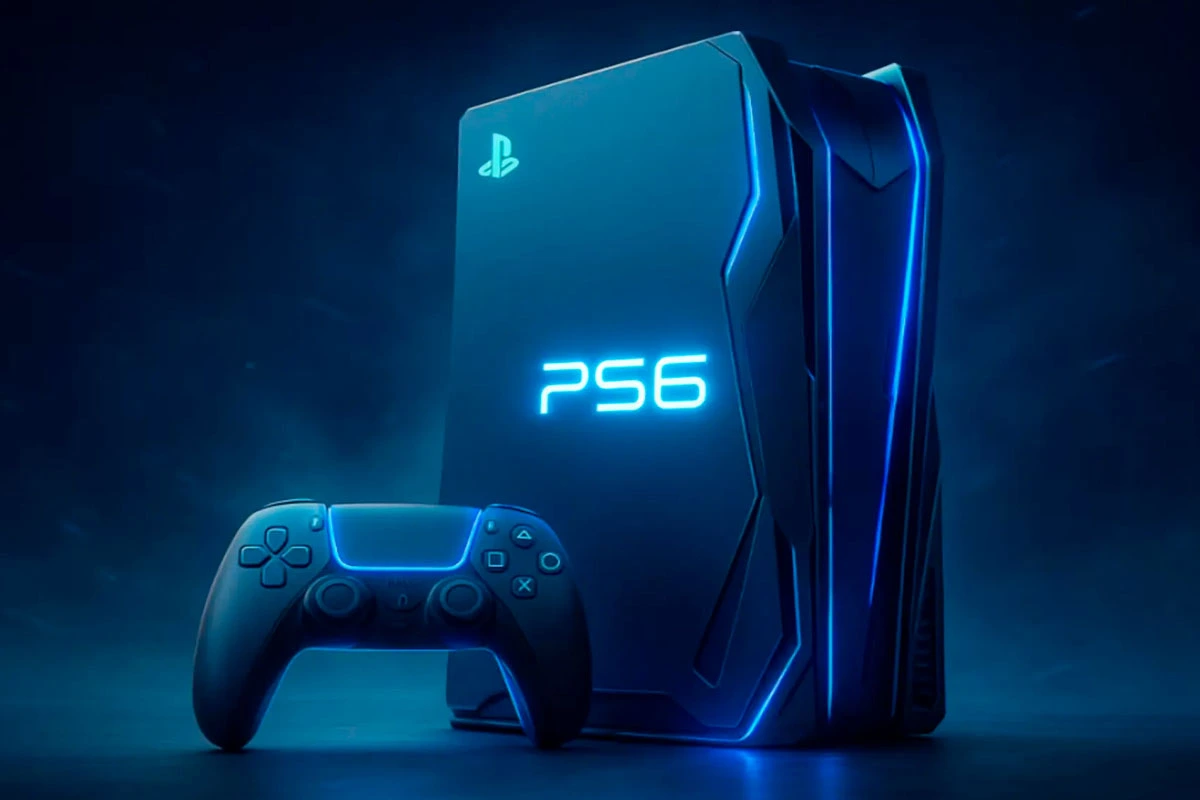
The possible specifications of the GPUs of the PS6 and the upcoming Xbox Project Helix have leaked online and anticipate a difference in their computing power. According to data released by a well-known hardware leaker, Sony's console would reach 40 TFLOPS, while Microsoft's would reach 56 TFLOPS.
So far, neither company has confirmed these figures. Microsoft has already announced the development of Project Helix, while Sony acknowledged that it is working on its next console, although it has not yet officially presented the PlayStation 6.
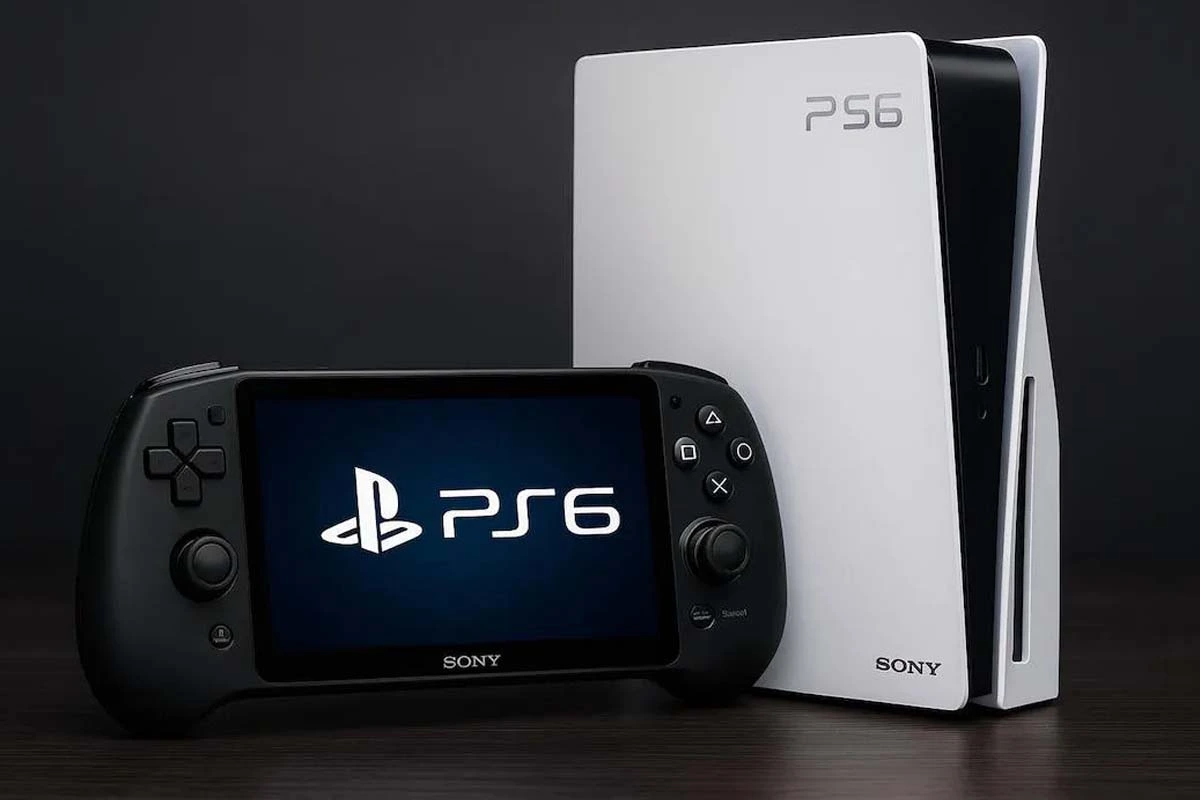
PS6 and Xbox Helix: what the leaks say about their GPUs
The hardware leaker KeplerL2 claimed that the GPU of the PS6 would offer a computing performance of 40 TFLOPS. In the case of the Xbox Project Helix, the figure would rise to 56 TFLOPS.
KeplerL2 shared this data during a discussion on the NeoGAF forum about previous estimates of the performance of next-generation consoles. Later, he stated that the chips of both systems have already completed the design stage known as tape-out, prior to their shipment for manufacturing.
Theoretically, the numbers would place Xbox Helix above the PS6 in floating-point computing capacity. However, this difference does not necessarily imply an equivalent advantage in video game performance.
Why TFLOPS are not enough to compare the PS6 with Xbox Helix
TFLOPS can be misleading when comparing GPUs from different generations and architectures. Therefore, the leaked figures do not allow for a definitive conclusion about which of the two consoles will offer better performance.
KeplerL2 explained that the 40 TFLOPS attributed to the PS6 take into account double emission calculation, a feature that the PS5 architecture cannot leverage in the same way. This complicates a direct comparison between both figures.
The actual performance will depend on other factors, such as memory bandwidth, processor power, ray tracing, artificial intelligence acceleration, upscaling technologies, and clock frequencies.
The leaker also claimed that the PS6's GPU could outperform other graphical solutions with higher nominal TFLOPS figures in ray tracing and artificial intelligence tasks.