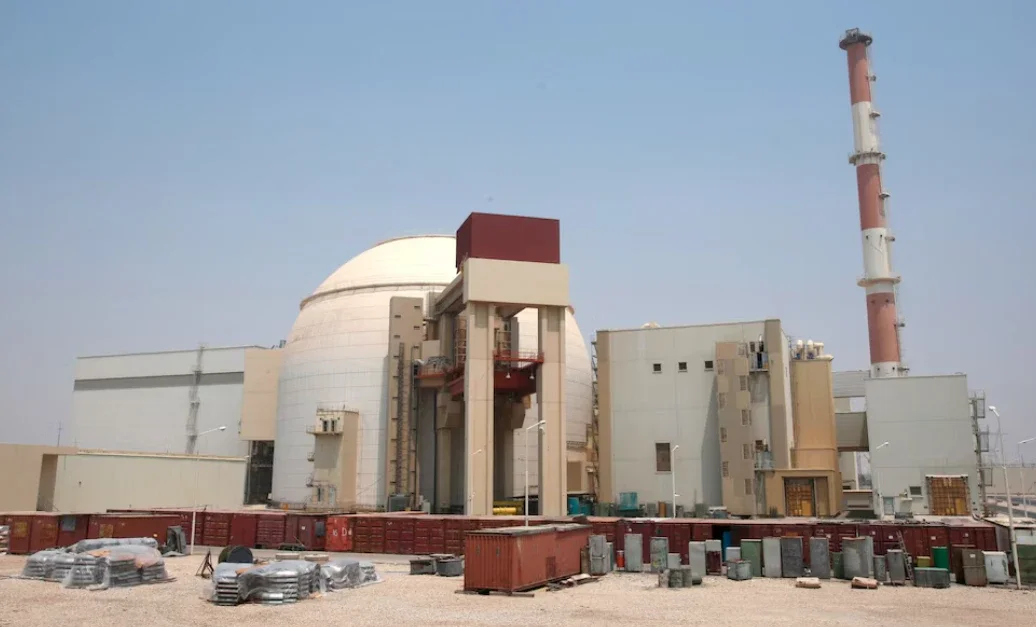
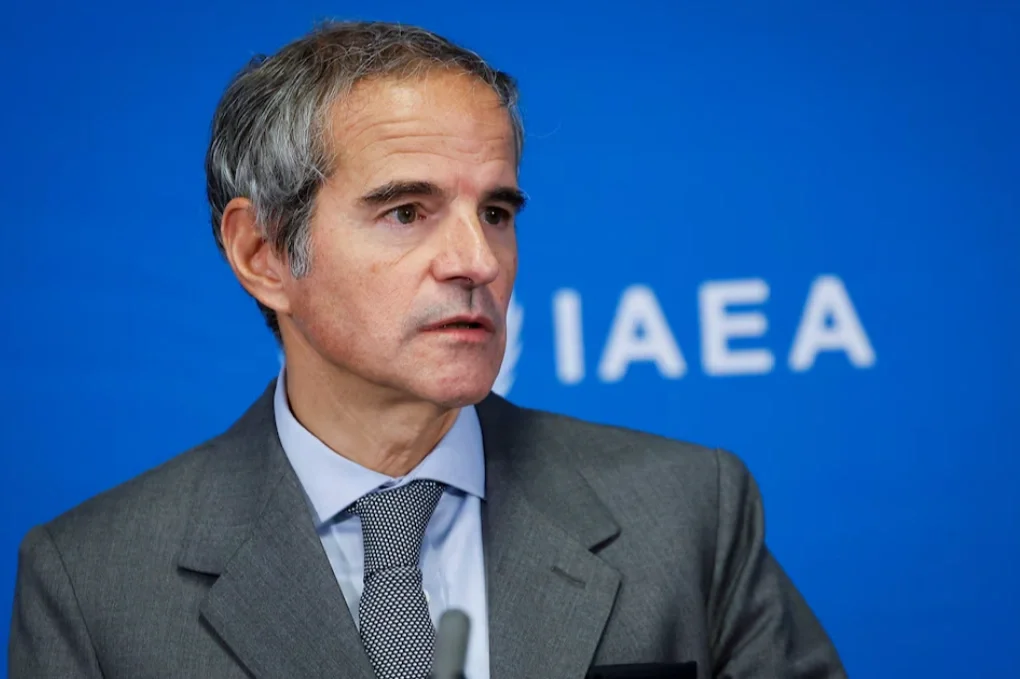

The International Atomic Energy Agency (IAEA) issued a new warning about the Iranian nuclear program, stating that it currently cannot guarantee that Tehran's atomic activities are exclusively for peaceful purposes. The report, prepared by the agency's director general, Rafael Grossi, indicates that serious doubts persist regarding the possible existence of undeclared nuclear material and activities within the country.
The report, distributed confidentially among the agency's member states, constitutes the first official assessment since February and comes amid the war initiated following the offensive launched by the United States and Israel against Iranian nuclear facilities.
"The IAEA is not in a position to assure that Iran's nuclear program is exclusively peaceful while a number of issues related to nuclear material and undeclared nuclear activities remain unresolved", Grossi warned.
The IAEA lost access to key facilities in Iran
One of the most concerning points of the report is that the international agency currently cannot inspect several Iranian nuclear facilities damaged by bombings nor verify the status of the materials that were there.
Grossi reminded that, despite the military conflict, Iran's obligations under the Treaty on the Non-Proliferation of Nuclear Weapons (NPT) remain fully in force.
"The implementation of those obligations cannot be suspended by Iran under any circumstances", emphasized the agency's director.
For that reason, the official called for Tehran to allow international inspectors back into all the country's nuclear facilities.
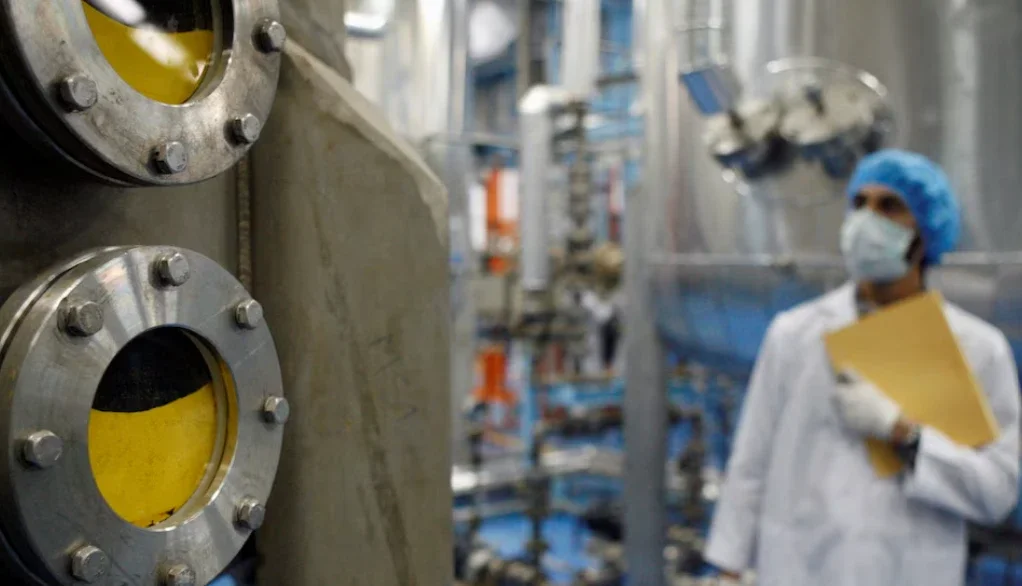
The trail of nearly 441 kilograms of enriched uranium has disappeared
The main concern of the international agency is related to Iran's enriched uranium reserves.
According to the report, the IAEA can no longer determine the exact size, composition, or whereabouts of Iran's nuclear stockpiles.
In particular, the agency lost track of 440.9 kilograms of uranium enriched to 60% purity, a level that is very close to the threshold necessary to manufacture nuclear weapons.
Grossi had previously warned that this amount of material, if refined to military levels, could be enough to produce up to ten nuclear weapons, although he clarified that this does not mean that Iran currently possesses atomic bombs.
The report considers it especially serious that inspectors have been unable to verify this material for almost a year.
"This is a matter of concern regarding proliferation", states the document.