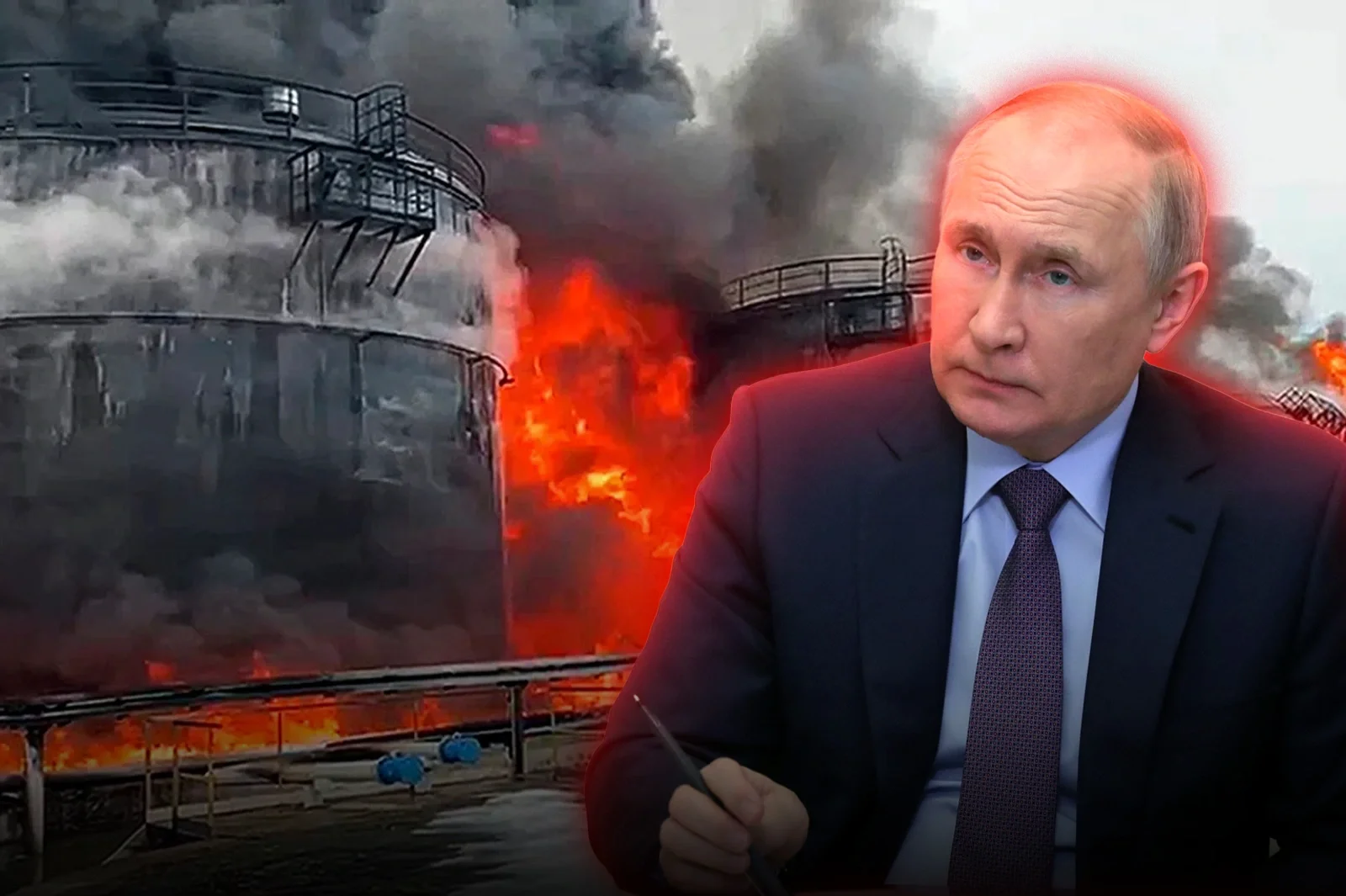
This setback is directly linked to the Ukrainian attacks that forced the shutdown of operations at several key refineries.
In parallel, Deputy Prime Minister Alexander Novak noted that the import of gasoline has become one of the “key measures” to stabilize the internal market amid shortages in various regions.
The Kremlin confirmed that Russia is negotiating with other countries for the purchase of gasoline to sustain its internal supply, in a scenario marked by the decline in production due to the impact of Ukrainian drone attacks on refineries and key energy infrastructure.
The information was confirmed by presidential spokesperson Dmitry Peskov, who acknowledged that the government of Vladimir Putin is engaged in active discussions to finalize imports.
“Active discussions are taking place,” he stated during his daily press conference. He also clarified that “if agreements are reached at acceptable prices, then [imports] will move forward,” without revealing which countries are participating in the negotiations.
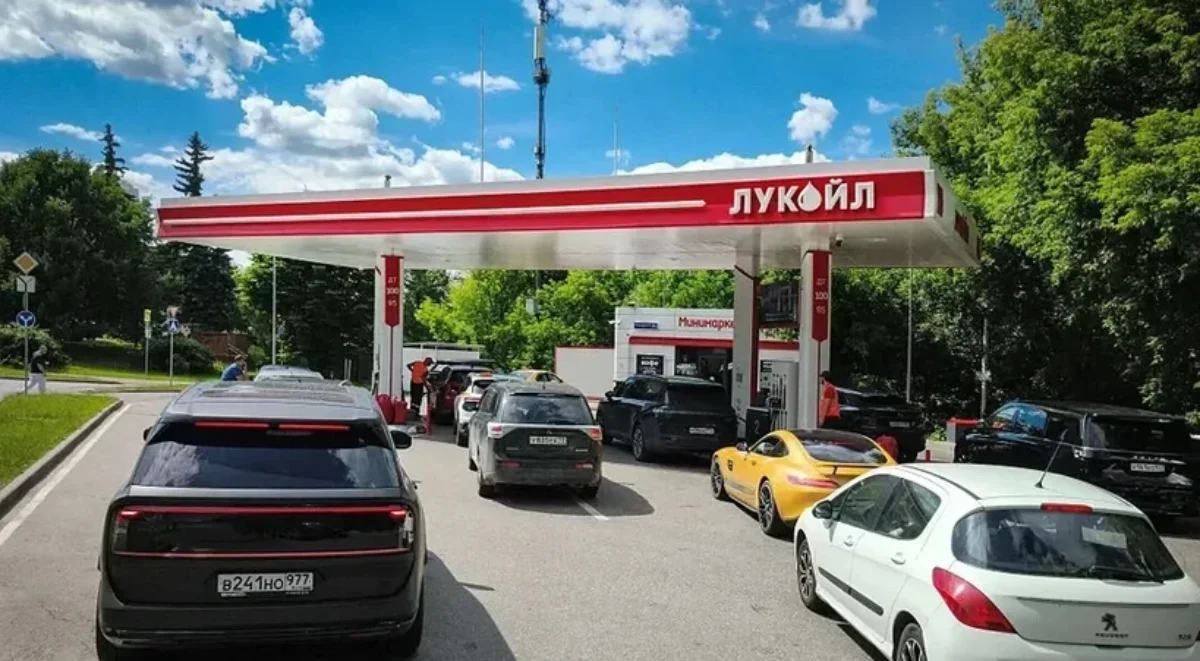
Service station in Russia
The situation represents an unprecedented turn for Russia in its recent history. The country had not resorted to large-scale gasoline imports since the fall of the Soviet Union in 1991. Until now, it was characterized by being completely self-sufficient and even having significant surpluses for export.
However, the scenario has changed drastically. Russia, which ranks second as the world's crude oil exporter and third in refined products, recorded a 25% decline in its gasoline production.
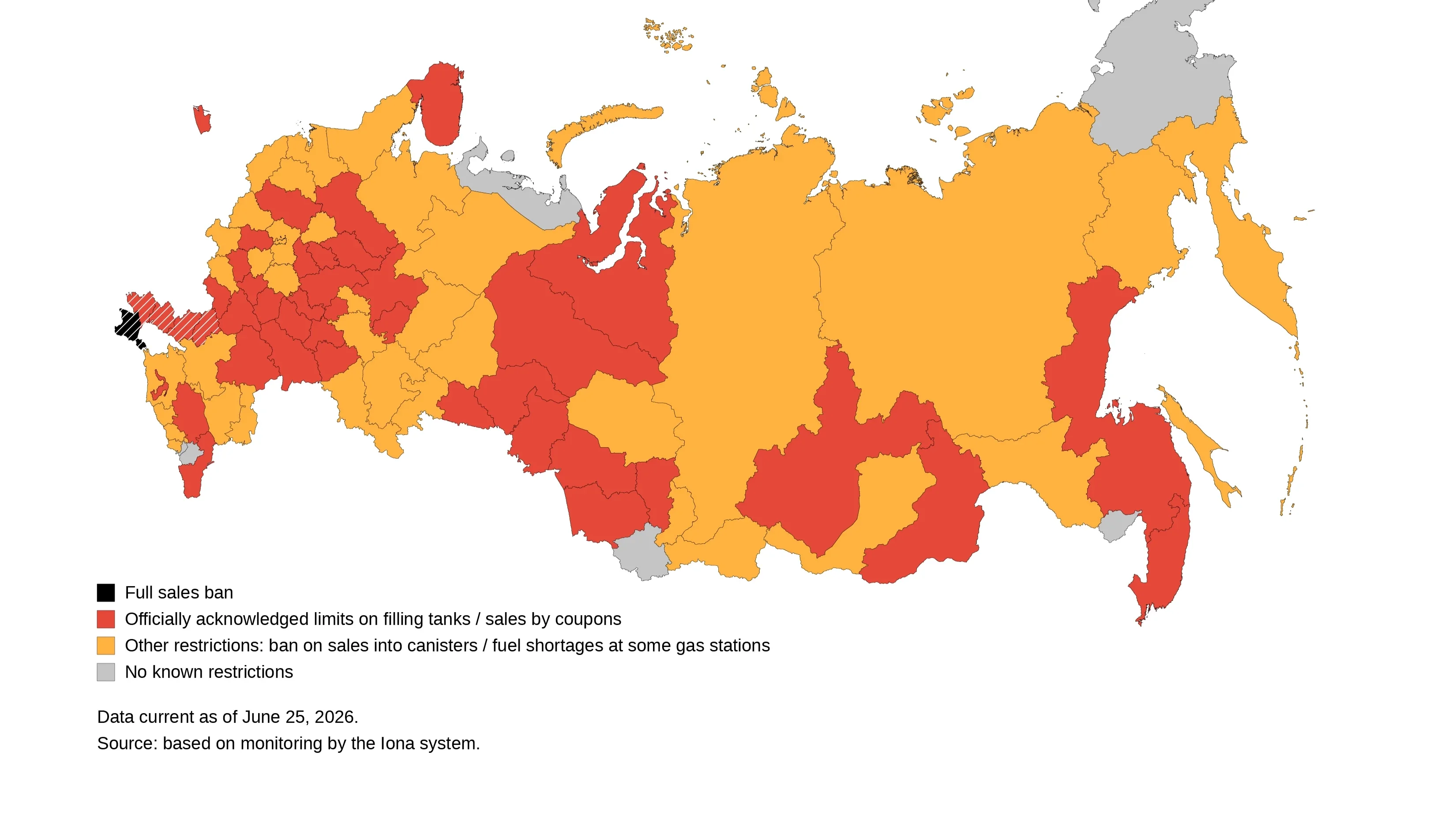
Russian regions with gasoline purchase restrictions
As part of the actions to address the crisis, the State Duma approved changes to the tax code that enable government subsidies aimed at financing the purchase of fuel abroad.
According to information released last week by Reuters, Russia is negotiating the purchase of 50,000 metric tons of AI-92 gasoline from Kazakhstan. However, officials from that country indicated that Moscow had not made a formal request to date.
The deterioration of the energy system is already having a direct impact on daily life. Authorities have implemented fuel rationing measures in various regions, including Russian-administered Crimea, at a particularly sensitive time due to the peak travel season.
The combination of attacks, production decline, and the need for imports marks an unusual scenario for a global energy power, and Russia is considering turning to the external market to sustain its internal consumption.