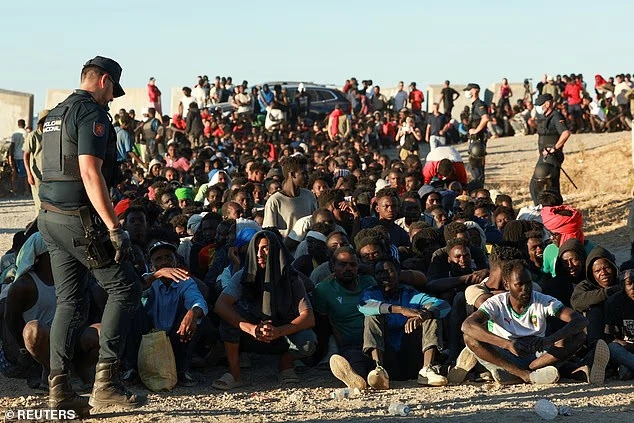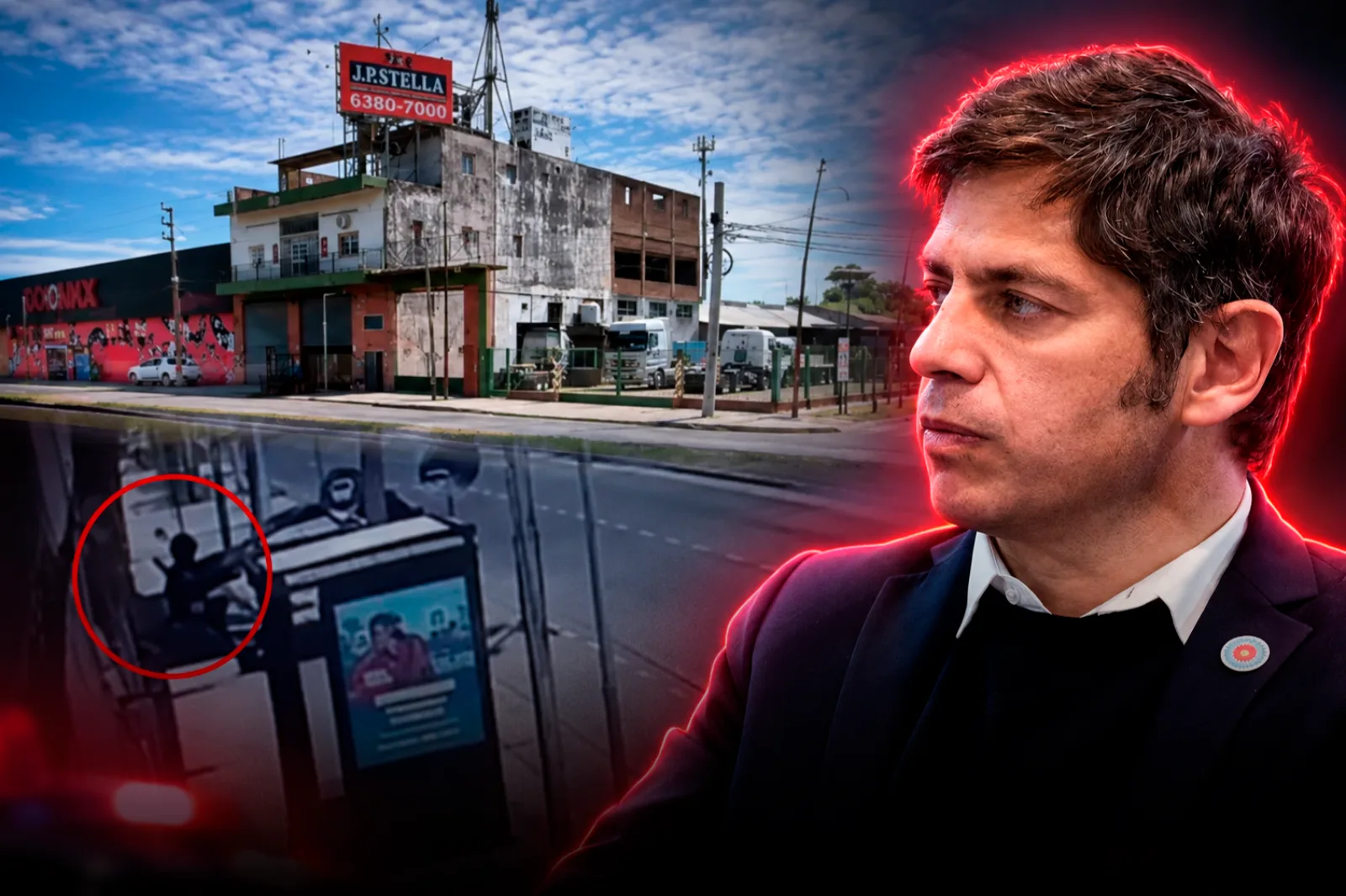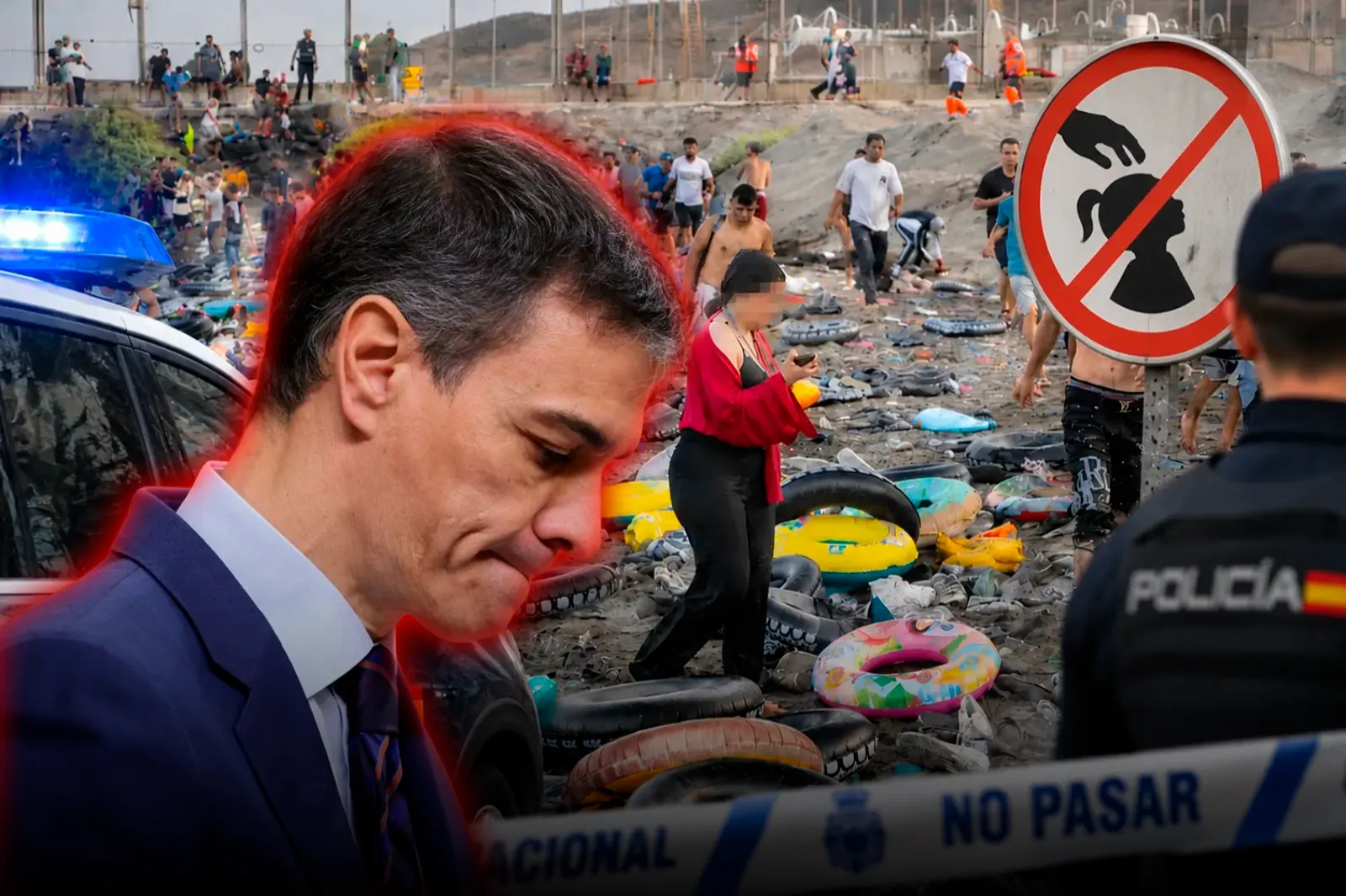

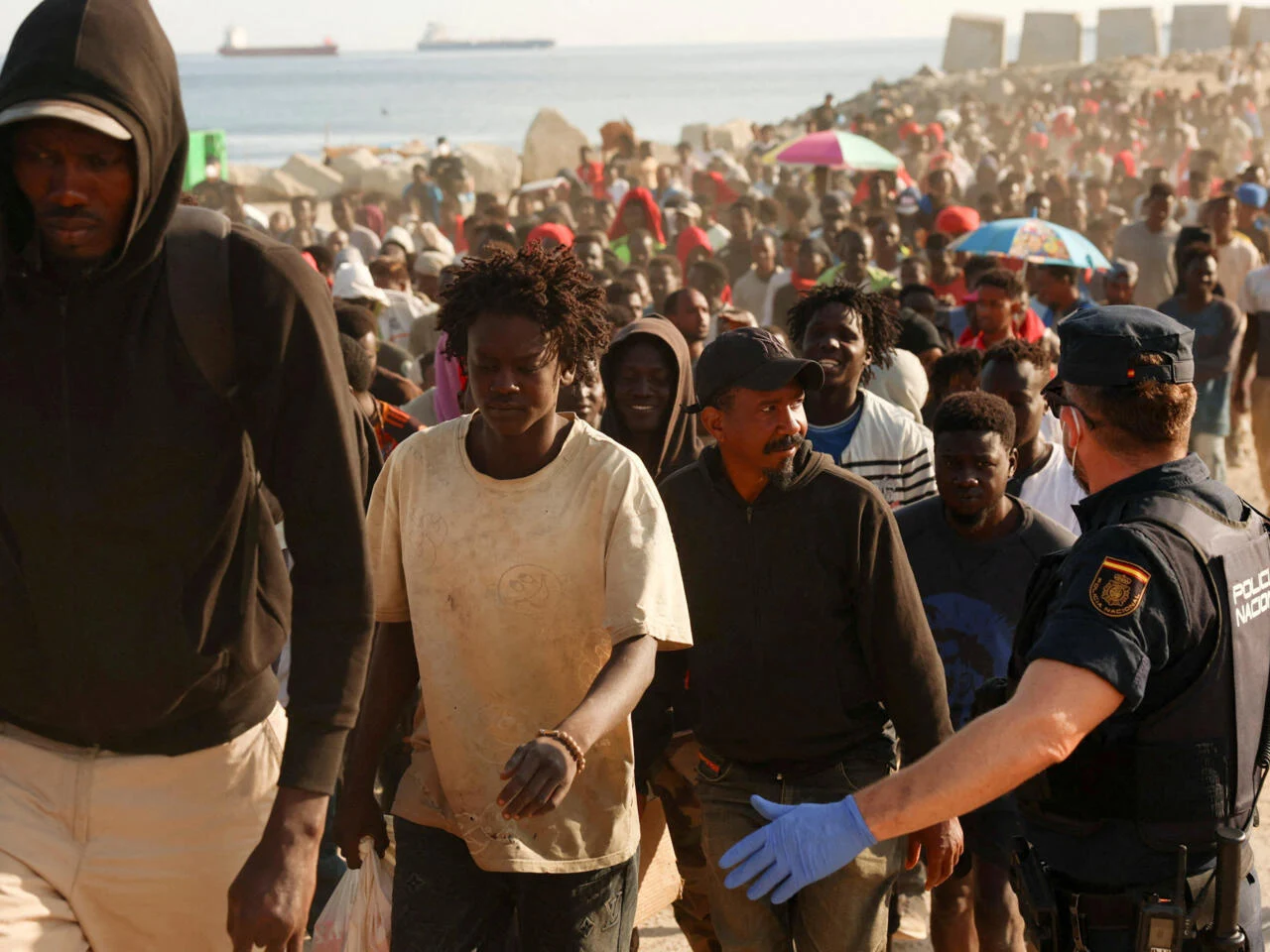
Ceuta is experiencing an unprecedented emergency that reflects the serious consequences of the border policies of the socialist government of Pedro Sánchez. The massive and uncontrolled entry of 80,000 immigrants from Morocco at the end of July completely overwhelmed the territory's capacities and triggered a deep social and institutional crisis. The most alarming aspect of this criminal escalation lies in the sexual violence, whose increase shows the severity of the security crisis affecting the territory. The sexual crimes committed in Ceuta have experienced a dizzying increase of 650%, rising from 4 to 30 cases recorded in the analyzed period. The most serious aspect of this phenomenon is that the majority of the attacks are directed specifically against the most vulnerable population:
16 of these episodes of sexual assault had minors as victims, compared to zero cases recorded in the same period of the previous year. This dramatic spike in sexual attacks against minors confirms the collapse of citizen protection and the impunity resulting from the inaction of the socialist government of Pedro Sánchez in the face of the massive arrival of immigrants.
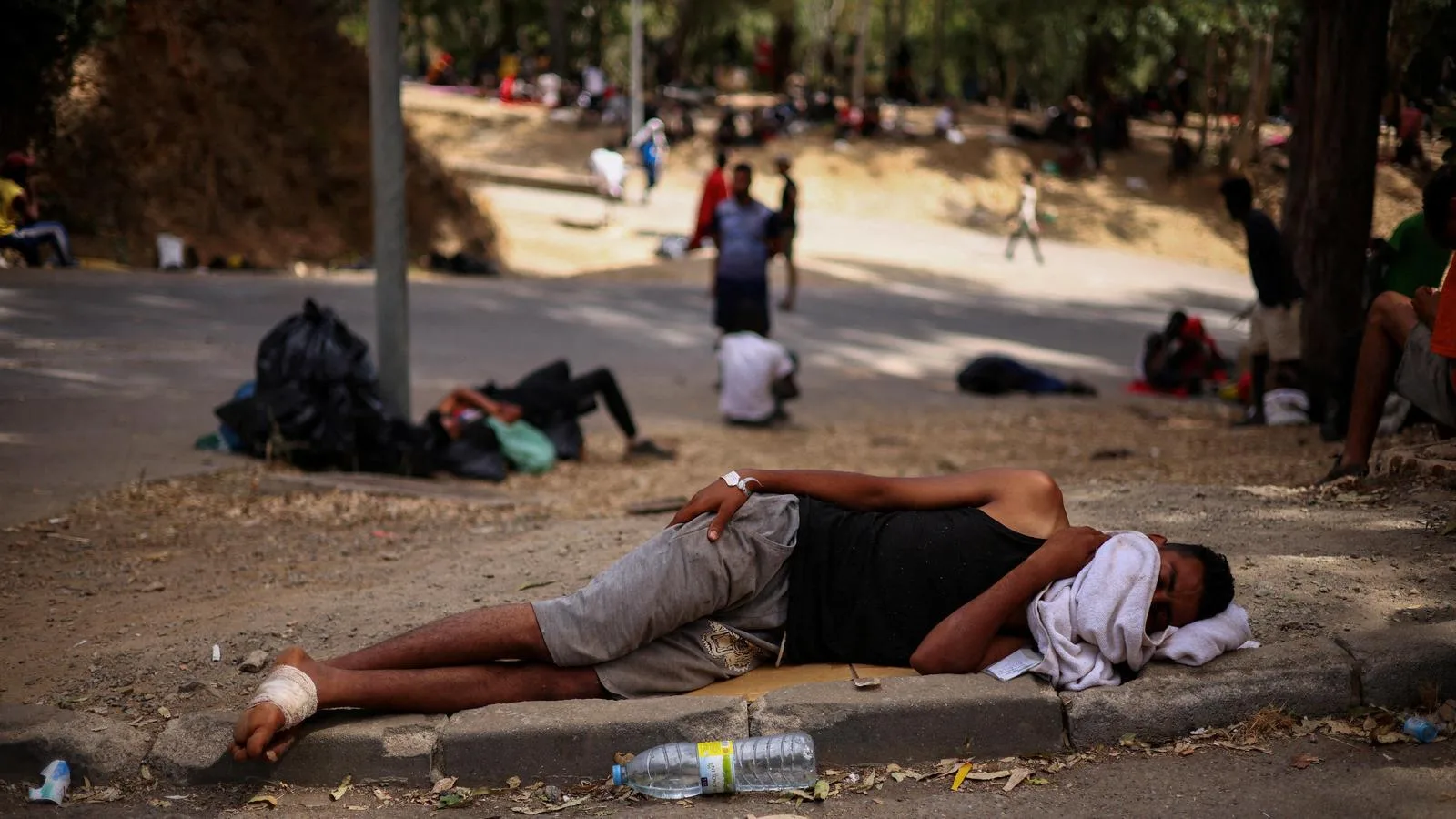
In light of this inert governmental stance, the conservative president of Ceuta, Juan Jesús Vivas, sharply criticized the Head of the Executive, stating that "the abandonment" suffered during "the invasion" demands a thorough explanation, pointing out that "he made the decision not to act, not to use the deterrent capabilities available to the State, and it was Morocco that decided how many entered and when the flow was cut off", also reminding that "the safety of the people of Ceuta must prevail over any other consideration; it is an unrenounceable obligation of the State to guarantee it".
The impact on civic coexistence is strikingly reflected in the official records of telephone assistance from the Emergency Service 112, obtained by the newspaper El Español. Between July 30 and October 29, 2025 and the same period in 2026, the total volume of incidents recorded by the emergency authorities skyrocketed from 2,233 to 11,286 cases. A spokesperson for the regional government described these statistics as "extremely concerning", emphasizing that "they reflect a serious deterioration of the city" and warning that "we are not just talking about irregular immigration, but about an emergency that directly affects the safety and well-being of our citizens and the normal functioning of the city".
This degradation of security encompasses a widespread increase in multiple categories of violent crimes and offenses against public order. The general category of "assaults" saw a drastic increase from 209 to 1,777 cases. Burglary cases multiplied exponentially, rising from 35 to 1,018 cases. Robberies with violence or intimidation in public increased from 11 to 115 incidents.