
Christianity could cease to be the world's largest religion by the middle of the next decade. According to projections from the Pew Research Center, Islam is expected to surpass Christianity by 2035, in a demographic shift that reflects differences in birth rates, the age structure of both communities, and the growing loss of religious affiliation in various Western countries.
The study estimates that by 2035 there will be approximately 2.57 billion Muslims and 2.52 billion Christians worldwide. While both religions will continue to grow in absolute terms, Islam will advance at a considerably faster pace.
This trend also raises questions about the future of historically Christian societies, especially in Europe and the United States, where projections anticipate a reduction in the proportion of the Christian population over the coming decades.
Birth rates, the main factor behind the growth of Islam
The report identifies differences in fertility as one of the central drivers of this change. Between 2020 and 2025, Muslim women had an average of 3.1 children, compared to 2.5 for Christian women. Among women of other religious affiliations, the average was 1.6 children.
The demographic difference is combined with a younger population structure within the Muslim community. This means that a larger proportion of its members are of reproductive age, which drives the growth of future generations.
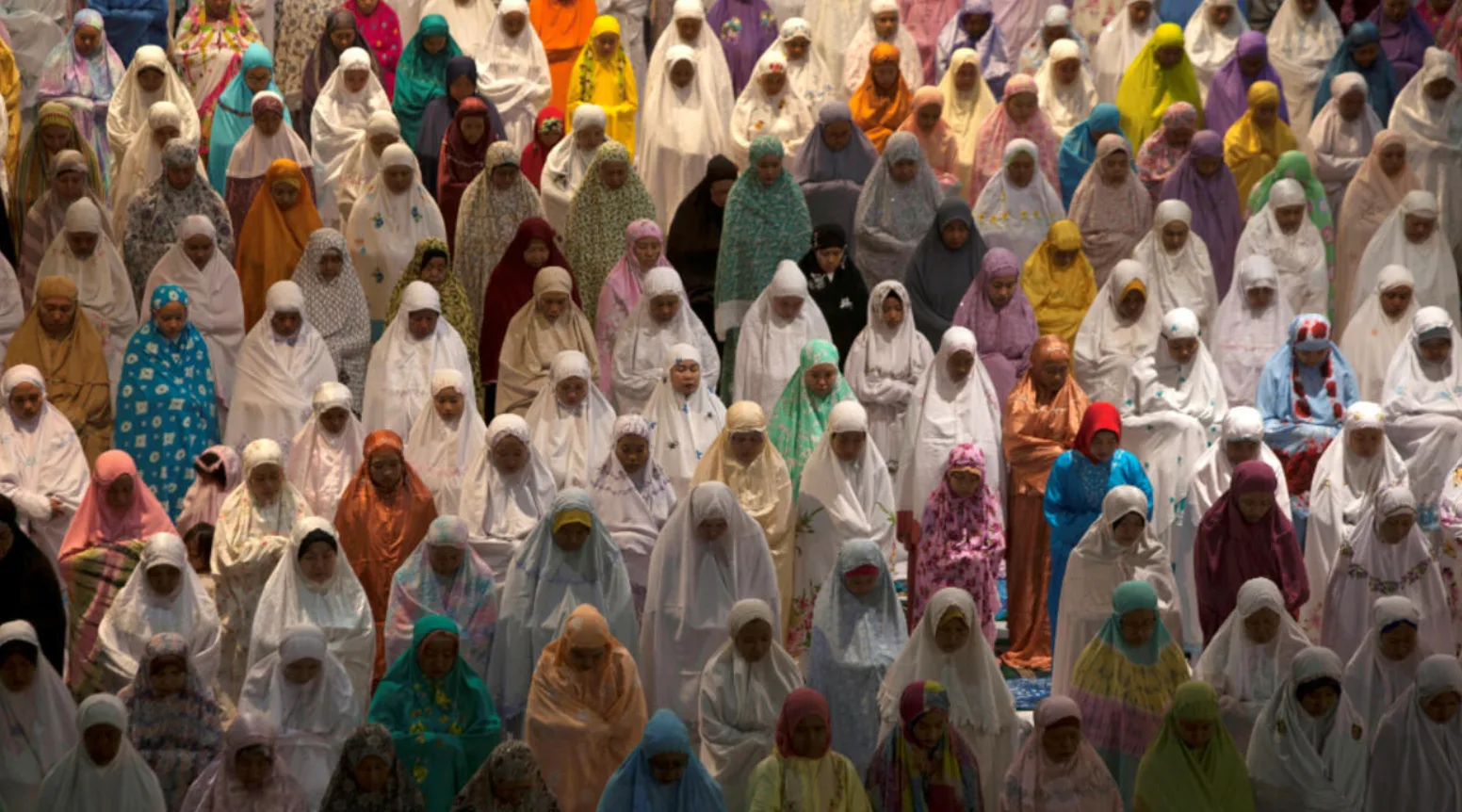
If current trends continue, by 2070 there will be more than 3.6 billion Muslims, compared to just under 3 billion Christians.
Pew Research also highlights that the growth of both religions is primarily due to the demographic evolution of the countries where they already have a significant presence, and not exclusively to religious conversions.
Africa will concentrate the growth of the Christian population
Another significant change will be the geographical transformation of Christianity. Sub-Saharan Africa will account for much of its expansion over the next few decades, driven by a relatively young population and higher birth rates.
By 2070, more than half of the world's Christians will live in that region. The Democratic Republic of the Congo will also experience a historic shift: projections indicate that it will surpass the United States as the country with the largest number of Christians.
This shift reflects a profound transformation of the global religious map. While Christian communities are losing ground in several Western societies, their growth is increasingly concentrated in African countries.
Europe would lose millions of Christians while the Muslim population grows
Projections for Europe also show an unfavorable evolution for Christianity. According to Pew, the number of Christians on the continent would drop from approximately 505 million in 2020 to 324 million in 2070, a reduction of over 35%.