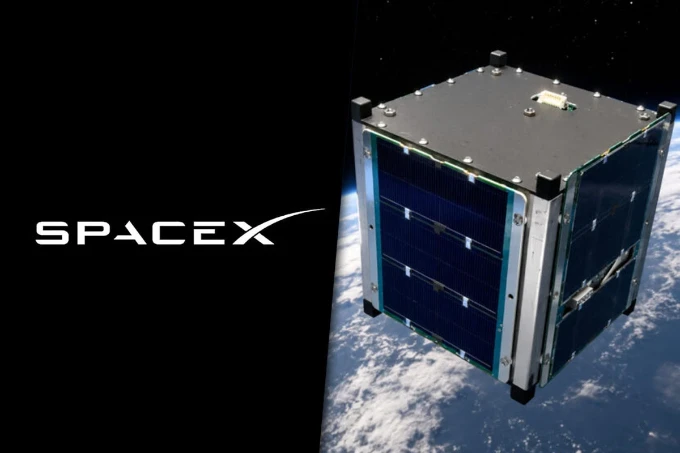
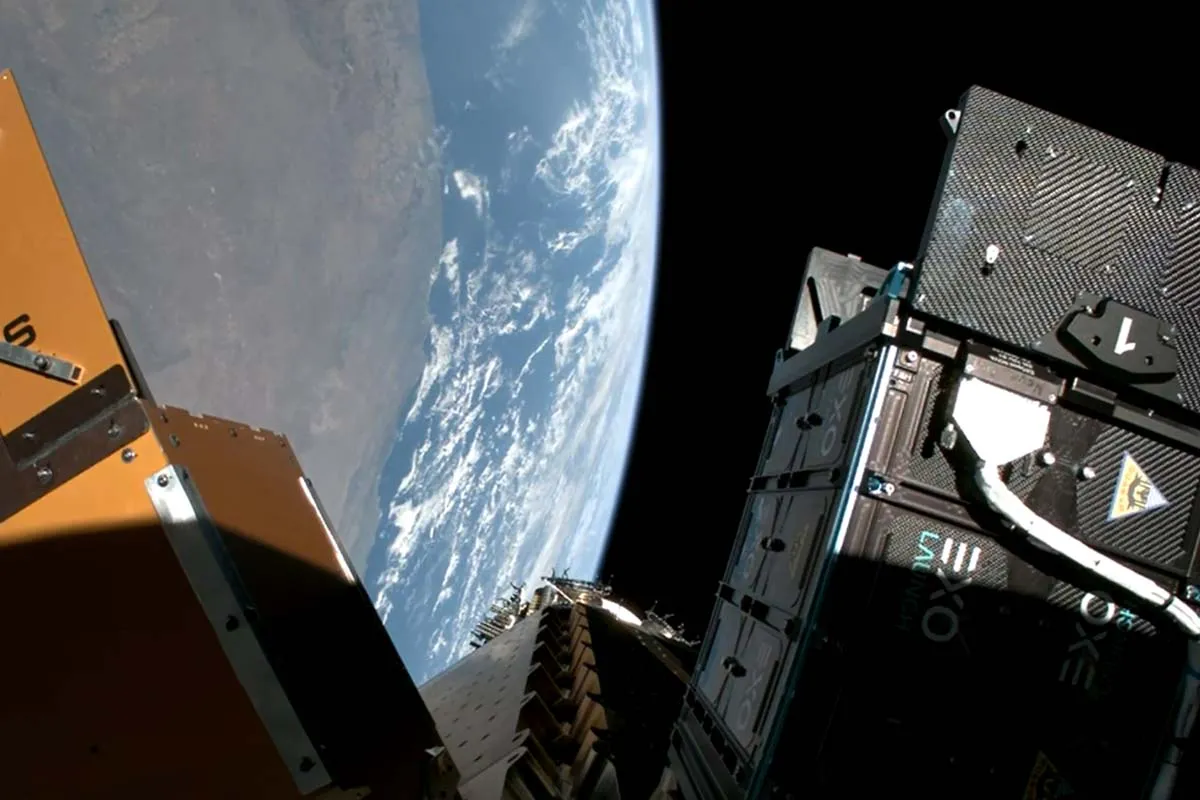
The first commercial nuclear satellite is already in orbit. It is BOHR, a CubeSat developed by the American company City Labs, which was launched aboard a Falcon 9 rocket from SpaceX during the Transporter-17 mission.
The mission aims to test for the first time in space a tritium-based power source developed by City Labs. The goal is to evaluate a technology that allows for continuous power supply to future spacecraft without relying exclusively on solar panels.
The first commercial nuclear satellite is already in orbit
What is BOHR, the first commercial nuclear satellite
The nuclear satellite BOHR was built by the American company City Labs and launched on July 7 from the Vandenberg Space Force Base in California.
The launch was part of SpaceX's shared mission Transporter-17, which carried a total of 81 payloads to various Earth orbits.
How the satellite's nuclear energy technology works
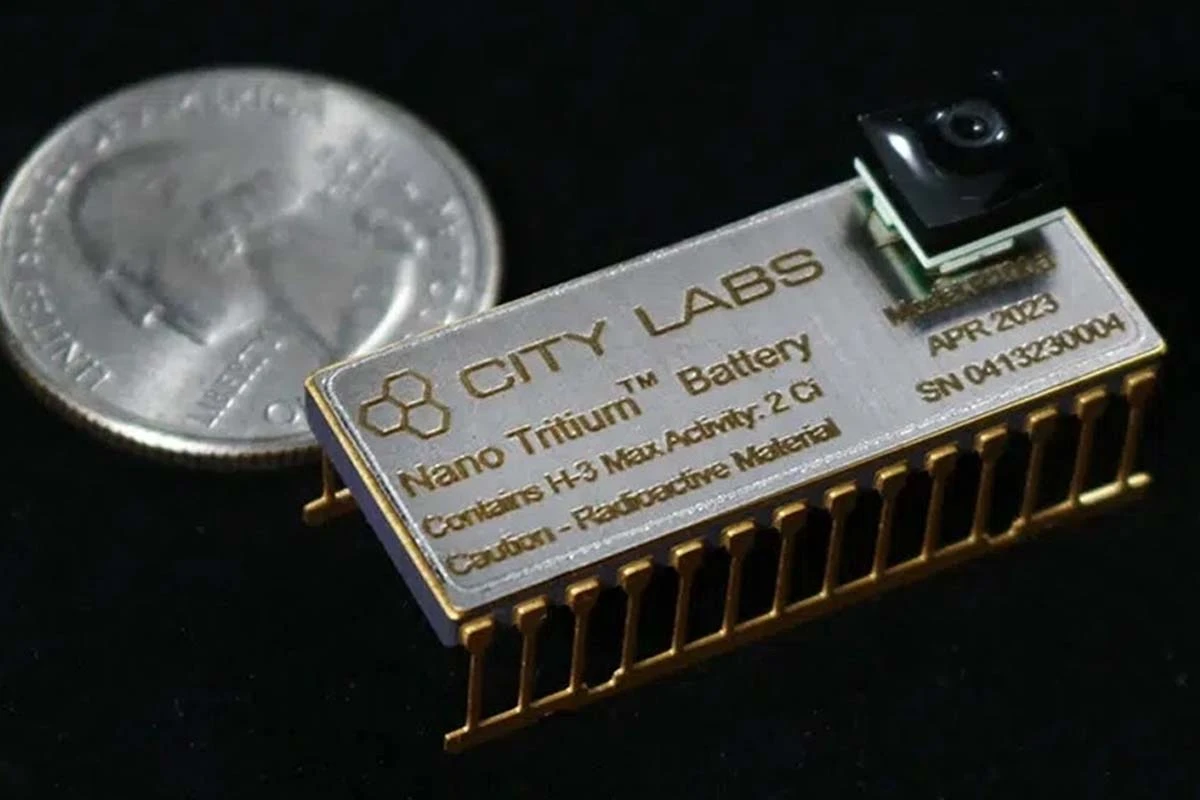
BOHR incorporates for the first time in space the NanoTritium technology, a micropower betavoltaic source developed by City Labs.
How satellite nuclear energy technology works
The system harnesses beta particles emitted by the radioactive decay of tritium, which are then directly converted into electricity using a semiconductor.
Unlike the radioisotope thermoelectric generators used in missions like NASA's Voyager probes, this technology employs a different method to generate electricity.
BOHR was launched aboard a SpaceX Falcon 9 rocket
What is the goal of the BOHR mission
BOHR was designed as a demonstration mission to verify the viability of this technology under real space operational conditions.
While the CubeSat continues to use solar energy for its general functions, the NanoTritium system will allow for the evaluation of future applications in missions where solar panels are less efficient.
According to City Labs, one possibility is to use this type of energy in regions with permanent shadow, such as some areas of the Moon's poles.
What is the objective of the BOHR mission
Why the Moon is among the possible destinations
The company indicated that this development could serve future missions aimed at operating in areas where sunlight is limited.
The lunar south pole is among those scenarios. There, NASA focuses part of its plans for the Artemis program due to the presence of water ice and the potential for future long-duration operations.