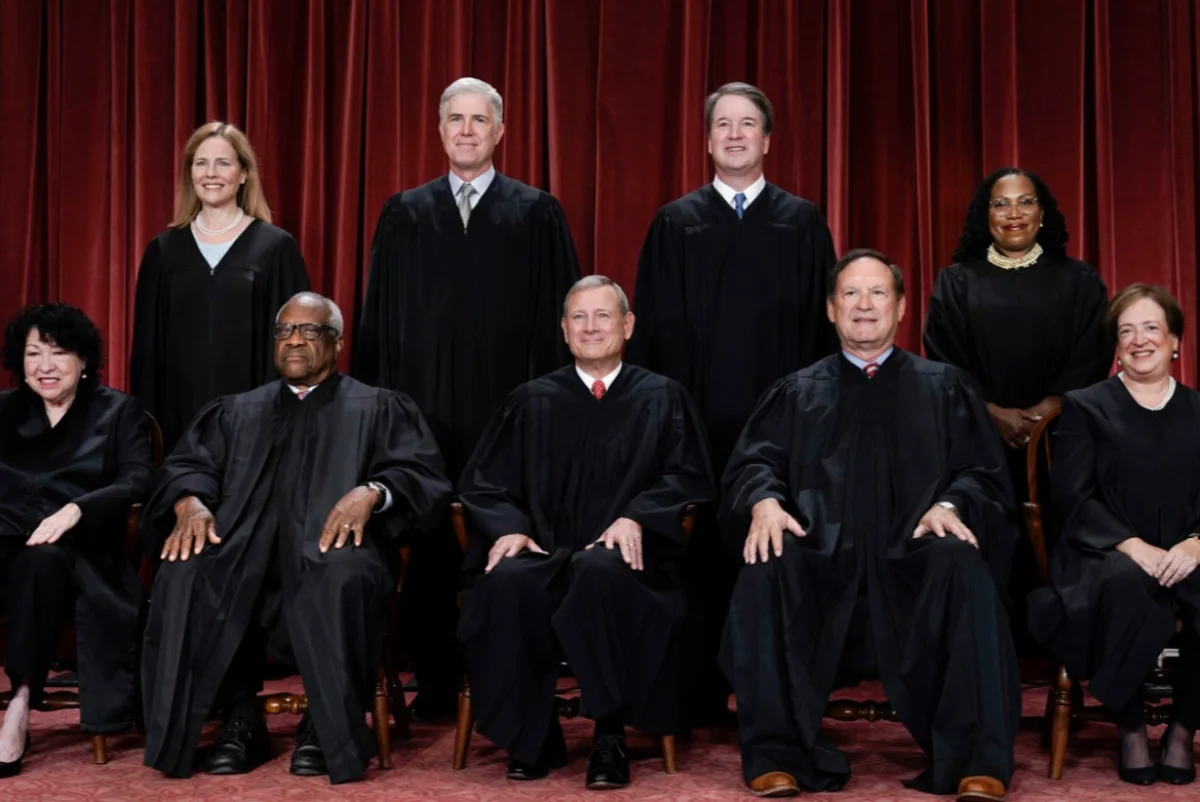

The Supreme Court of the United States has once again become an obstacle to President Donald Trump's immigration agenda by rejecting the executive order that sought to restrict automatic citizenship by birth for the children of immigrants in an irregular situation or with temporary status in the country.
With a vote of six justices against three, the highest court upheld the historical interpretation of the Fourteenth Amendment, frustrating one of the most important initiatives pushed by Trump to reform the U.S. immigration system.
The Supreme Court has once again blocked a Trump measure
The ruling represents a new judicial setback for the Republican administration, which had defended the need to limit automatic access to citizenship for those born to parents without permanent residency in the United States.
The majority of the court held that the traditional interpretation of the Fourteenth Amendment remains fully in effect, preserving the principle that most people born on U.S. soil automatically acquire citizenship.
The Chief Justice of the Supreme Court, John Roberts, wrote in the majority opinion:
"Citizenship, both before and now, was the right to have rights. The drafters of the Fourteenth Amendment extended that promise to all persons born free on this land. Today we uphold that promise."
What Trump's executive order proposed
The measure had been signed by Donald Trump on January 20, 2025, during his first day back in the White House.
The order stated that only children of at least one U.S. citizen or legal permanent resident parent would be U.S. citizens at birth, excluding:
Children of illegal immigrants.









