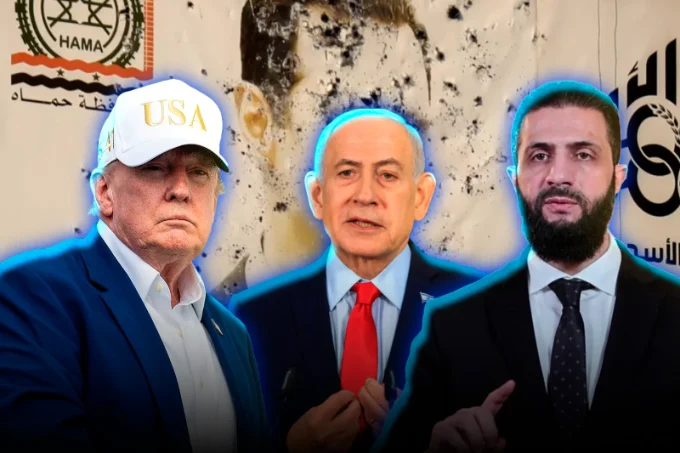

The Syrian government led by Ahmed al-Sharaa reached an understanding with the United States and Israel to remove nuclear material inherited from the Bashar al-Assad regime, stored for years in a clandestine facility linked to Syria's former atomic program.
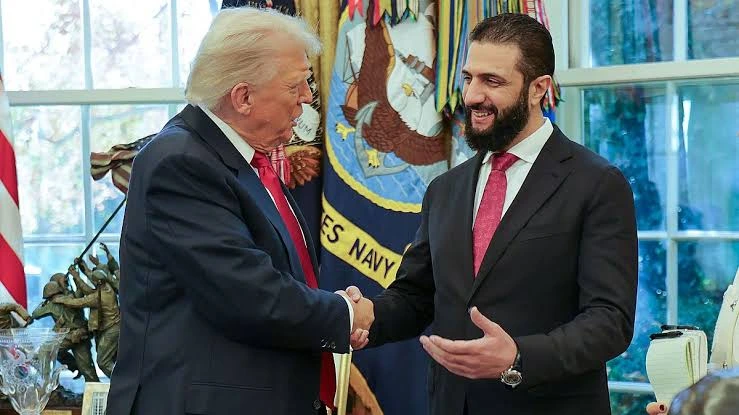
The agreement, negotiated by the administration of Donald Trump, will allow the International Atomic Energy Agency (IAEA) to remove the material located at the so-called “Site 99”, according to U.S. and Israeli officials who revealed this to Axios.
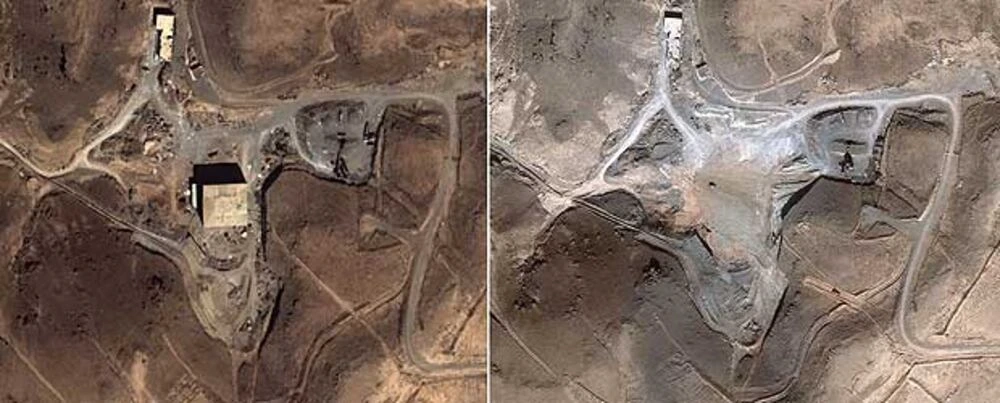
The facility was closely monitored by Israel due to its connection to Al-Kibar, the clandestine nuclear reactor developed during Assad's regime and bombed by the Israel Defense Forces in 2007. Although that attack destroyed much of the Syrian nuclear program, various research and storage facilities remained.
Among the items stored at Site 99 was yellowcake, a concentrated form of uranium that can subsequently undergo various processes within the nuclear fuel cycle, as well as waste from the Al-Kibar project.
According to U.S. officials, the stored material could not be directly used to manufacture a nuclear weapon, but it did pose a security risk because it could be employed in a “dirty bomb”, a conventional explosive designed to disperse radioactive material and contaminate a specific area.