Despite Taiwanese accusations, the Prime Minister of Papua New Guinea, James Marape, denied that his government acted under Chinese imposition. In July, he stated that the decision was in response to the national interests of his country and its constitutional procedures.
However, the rapprochement between both governments continued. On November 5, Marape received Chen Xiaodong, president of the China International Development Cooperation Agency, and reaffirmed his administration's one-China policy. During the meeting, opportunities to expand Chinese investments in strategic sectors such as energy, mining, agriculture, and infrastructure were also discussed.
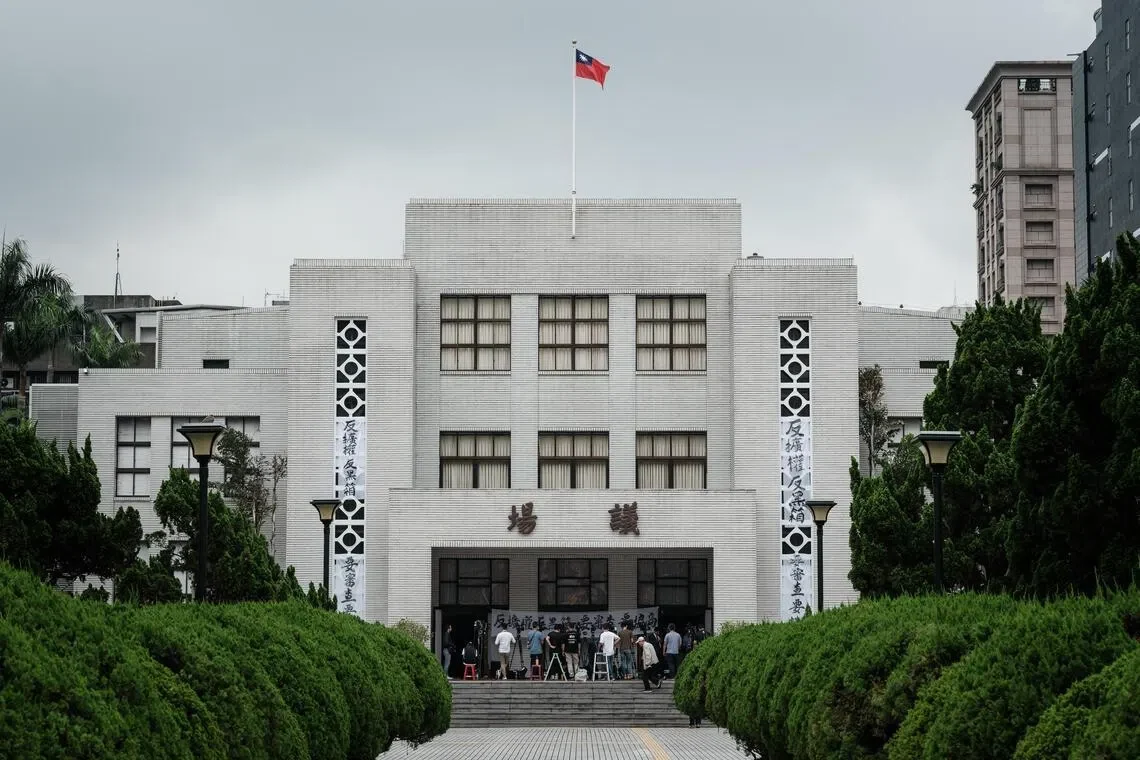
Taiwan announced the closure of its representative office in Papua New Guinea, the withdrawal of its staff, and the suspension of several assistance programs, after reporting that the Chinese regime exerted pressure on the government of that country to limit its international presence. The decision represents a new setback for Taiwanese diplomacy and highlights Beijing's efforts to reduce the island's ties with other nations through its growing political and economic influence.
The Ministry of Foreign Affairs of Taiwan communicated on November 6 that it will withdraw its representatives from the capital, Port Moresby, and end the cooperation programs it maintained with the Pacific nation. The measure came after the authorities of Papua New Guinea renewed their demand that Taiwanese officials leave the territory.
The decision ends a presence that had allowed for unofficial relations between both parties, despite the lack of formal diplomatic ties. It also interrupts agricultural, medical, educational, and technical cooperation initiatives that benefited local communities.
Taiwan announced the closure of its representative office in Papua New Guinea after a new Chinese attempt to isolate the island diplomatically
The conflict began in July when Papua New Guinea ordered the closure of the Taiwanese office. The measure quickly received support from Beijing, which presented it as an example that other countries should follow to manage Taiwan's international representation.
The Chinese ambassador to Papua New Guinea, Yang Xiaoguang, celebrated the decision in an article published on July 20 in local newspapers. He stated that the closure of the office would help strengthen relations between Port Moresby and Beijing.
Two days later, the Chinese Foreign Minister, Wang Yi, also publicly praised the measure during a meeting with his Papua New Guinean counterpart, Justin Tkatchenko, in Manila, Philippines. The support from the highest diplomatic authorities in China reinforced Taipei's suspicions of a campaign aimed at using Beijing's influence to reduce its international operating space.
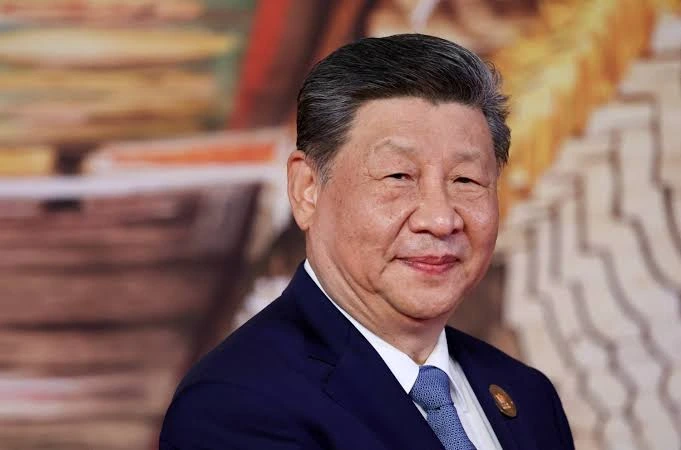
The Xi Jinping regime welcomed Papua New Guinea's decision to order the closure of the Taiwanese office in July
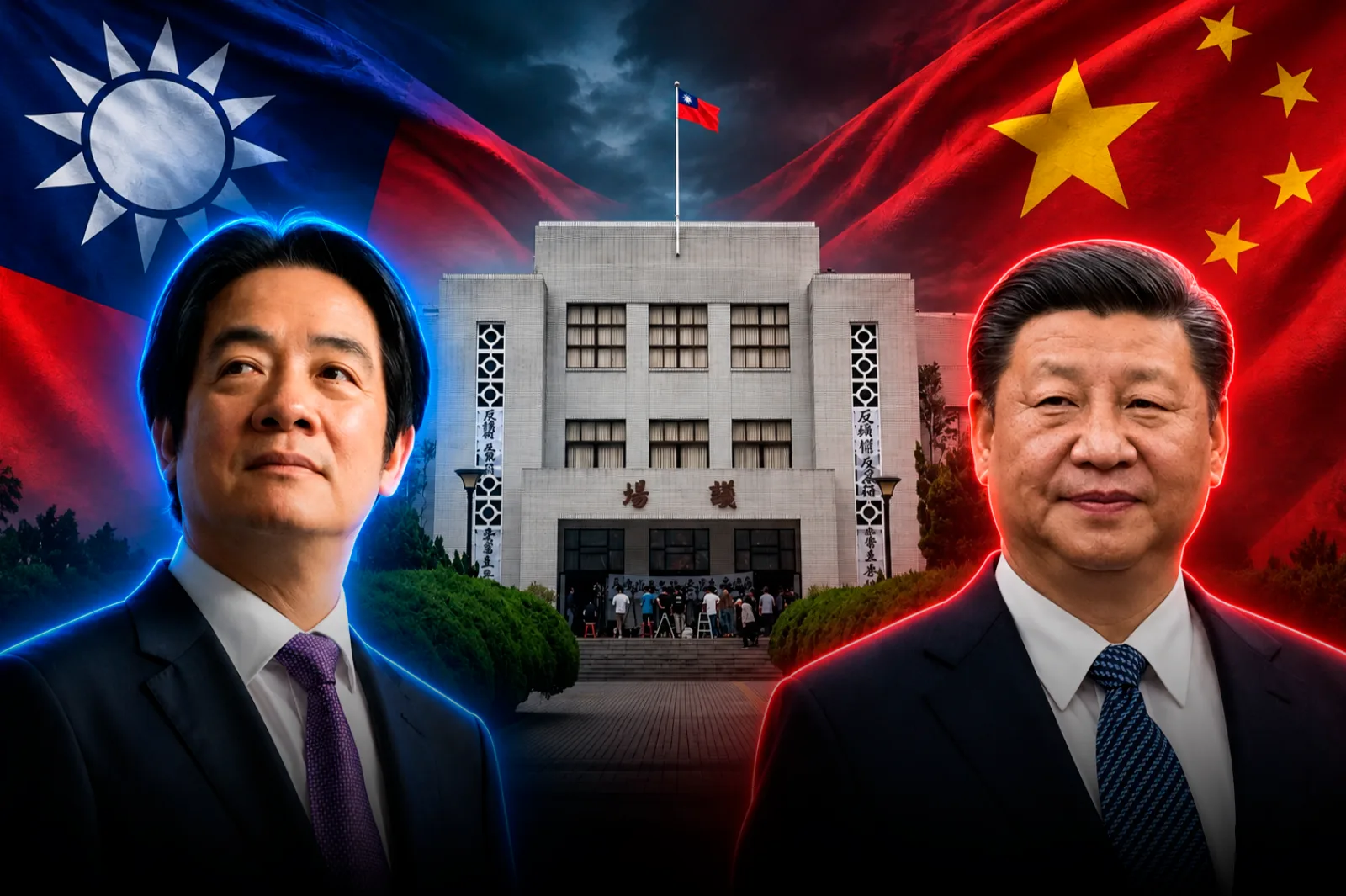
China considers Taiwan part of its territory, although the Chinese Communist Party has never governed the island. The Beijing regime rejects any initiative that could be interpreted as recognition of its independent sovereignty and pressures other governments to avoid maintaining official relations with Taipei.
This diplomatic isolation policy constitutes one of China's main pressure instruments over Taiwan, which maintains a democratic system and its own government.
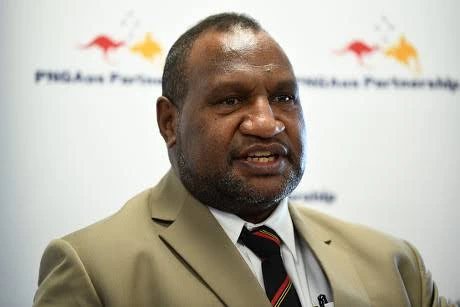
The prime minister of the Pacific island country denied having acted in the face of pressure from the Chinese regime, but his cooperation in economic matters is increasing
The Taiwanese withdrawal will have concrete consequences in the humanitarian field. Medical cooperation between both parties had lasted for more than two decades. In October 2024, a team of six professionals from the Changhua Christian Hospital performed surgeries and collaborated with local doctors at the Modilon General Hospital in Madang. Both institutions then signed an agreement to train healthcare personnel.
In July 2025, Taiwanese and Papua New Guinean surgeons performed what the hospital identified as the first total hip replacement carried out in Papua New Guinea. The interruption of these programs could affect future initiatives for training and medical assistance.
The United States also questioned the decision of Papua New Guinea. In July, a spokesperson for the State Department expressed deep concern and described the closure of the office as part of a Beijing intimidation campaign against Taiwan and the countries that maintain ties with the island.
The government of Taiwan responded to the government of Papua New Guinea with economic and commercial measures
For its part, Taipei responded with economic measures. It announced that it will stop purchasing liquefied natural gas (LNG) from Papua New Guinea in the spot market and will not sign new acquisition contracts under that modality. Taiwanese purchases represented approximately one-third of the Pacific nation's LNG exports.
Taiwanese authorities assured that they have already secured alternative suppliers, although they did not announce the cancellation of existing long-term supply contracts.