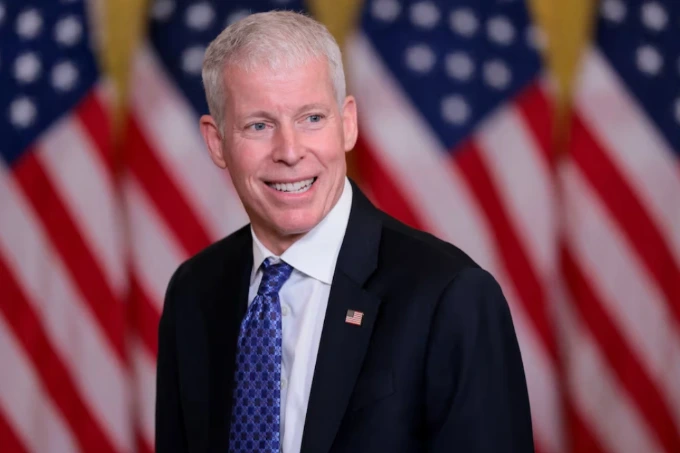
The U.S. Secretary of Energy, Chris Wright, arrived in Venezuela to finalize a historic oil agreement driven by the Donald Trump administration, which will allow Washington to gain effective control over a strategic part of the Venezuelan energy industry.
The agreement, approved by the Venezuelan National Assembly, includes preferential access for the United States to 17 oil fields and control of facilities that were previously linked to companies of Russian and Chinese origin.
Trump announced the operation last week and stated that it will allow the United States to gain majority control over a portion of the 65 billion barrels of proven Venezuelan oil reserves.
Upon his arrival in Caracas, Wright anticipated that several investment agreements would be announced this Wednesday and asserted that the operations would more than double Venezuela's oil production in the coming years.
“These investment agreements in Venezuela aim to bring peace, opportunities, and prosperity to the people of Venezuela and the people of the United States,” the official stated.
The United States seeks to regain energy control against China and Russia
One of the main strategic objectives of the agreement is to reduce the influence of China and Russia over the Venezuelan oil sector.
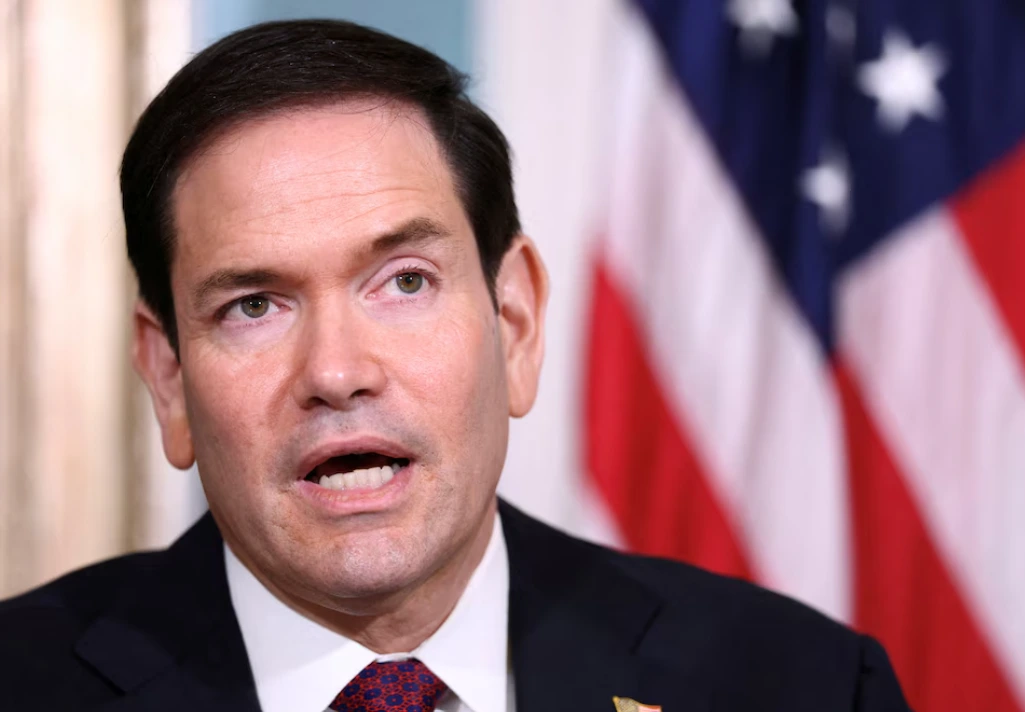
Secretary of State Marco Rubio explained that the operation aims to normalize the Venezuelan economy and attract private capital to recover production from the fields.
The United States seeks to regain energy control against China and Russia
According to Rubio, most of the 17 fields included in the agreement were until now in the hands of Chinese and Russian companies, making the operation a significant shift in direction for Venezuela's oil industry.
The U.S. government also maintains that the increase in production will reduce oil prices for American consumers, while simultaneously strengthening Washington's energy security.
Washington will have decision-making power over a Venezuelan oil company
One of the most relevant components of the agreement involves North American Blue Energy Partners (NABEP), the second-largest private oil company in Venezuela.
The company is led by Venezuelan entrepreneur Alejandro Betancourt, and the U.S. government will acquire a 35% stake as part of the operation.
Additionally, American citizens must constitute the majority of the company's board, while Washington will have veto power over the board members.
According to the White House, NABEP will also grant the United States the right to purchase 20% of the oil produced by the company at production cost.
Washington will have decision-making power over a Venezuelan oil company
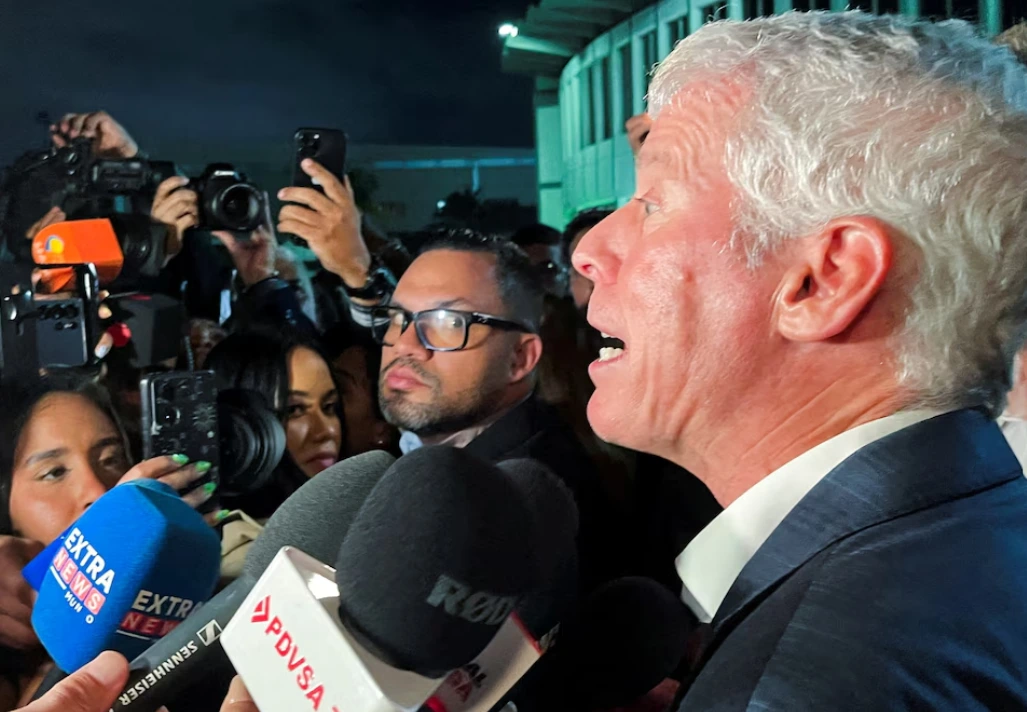
Betancourt's involvement raised questions due to his ties to business operations developed during Hugo Chávez's regime and allegations of corruption related to PDVSA. However, U.S. officials defended his inclusion in the agreement, describing him as an experienced operator.
Venezuelan oil returns to the center of Trump's strategy
The agreement also represents a new phase in the relationship between Washington and Caracas following Nicolás Maduro's departure from power in January.
From the Trump administration, they argue that the recovery of the Venezuelan oil industry will generate investments, increase production, and restore productive capacity to an industry devastated by years of mismanagement and corruption.
The Venezuelan Defense Minister, Gustavo González López, also supported the operation and stated that turning political differences into economic cooperation represents a decision in favor of peace.
In Caracas, some opposition lawmakers questioned the lack of information regarding the complete terms of the agreement. However, the president of the National Assembly, Jorge Rodríguez, defended the operation and posed a central question: “Who benefits from this oil if it remains underground?”
For Trump, moreover, the agreement has an additional economic and political dimension. Increasing the oil supply and reducing its price is a priority for the White House, especially in light of the upcoming legislative elections in November.
With Wright's arrival in Caracas, Washington now seeks to turn the political agreement into a concrete transformation of the Venezuelan oil industry, displacing Russia and China and placing the United States back in a dominant position over one of the continent's largest energy resources.