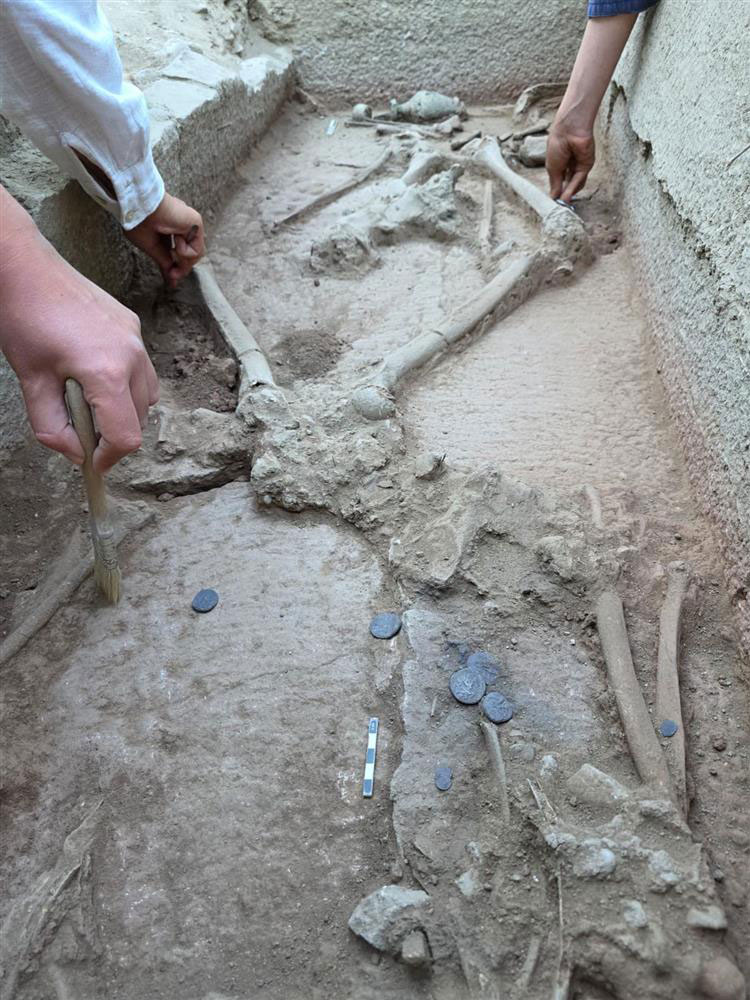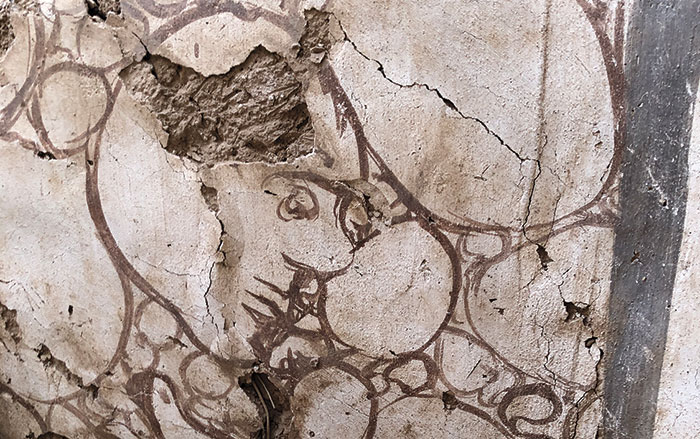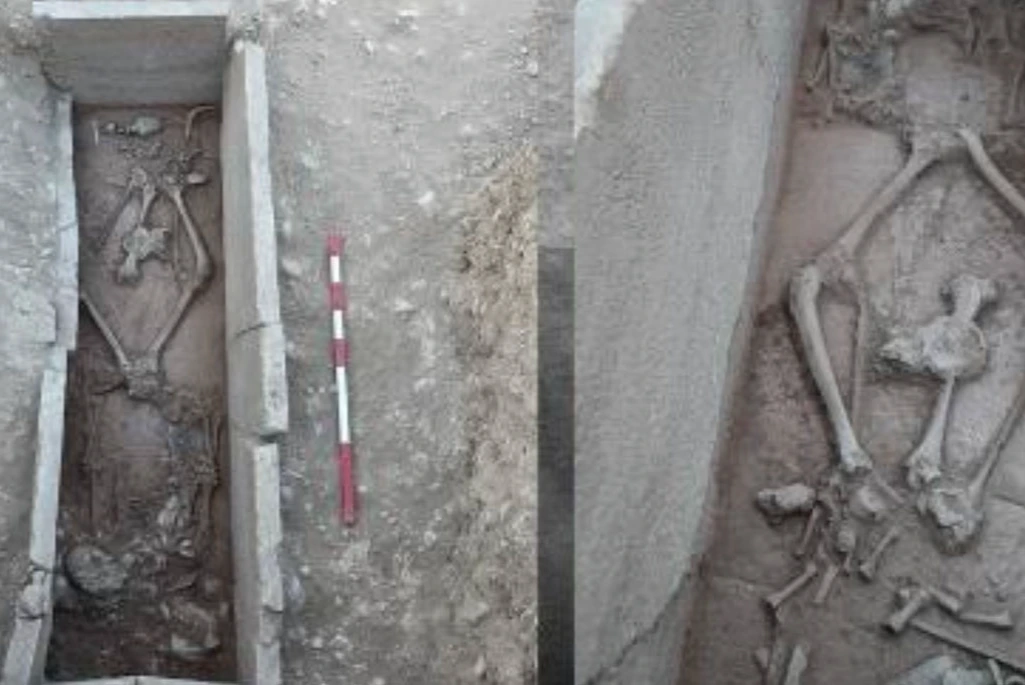

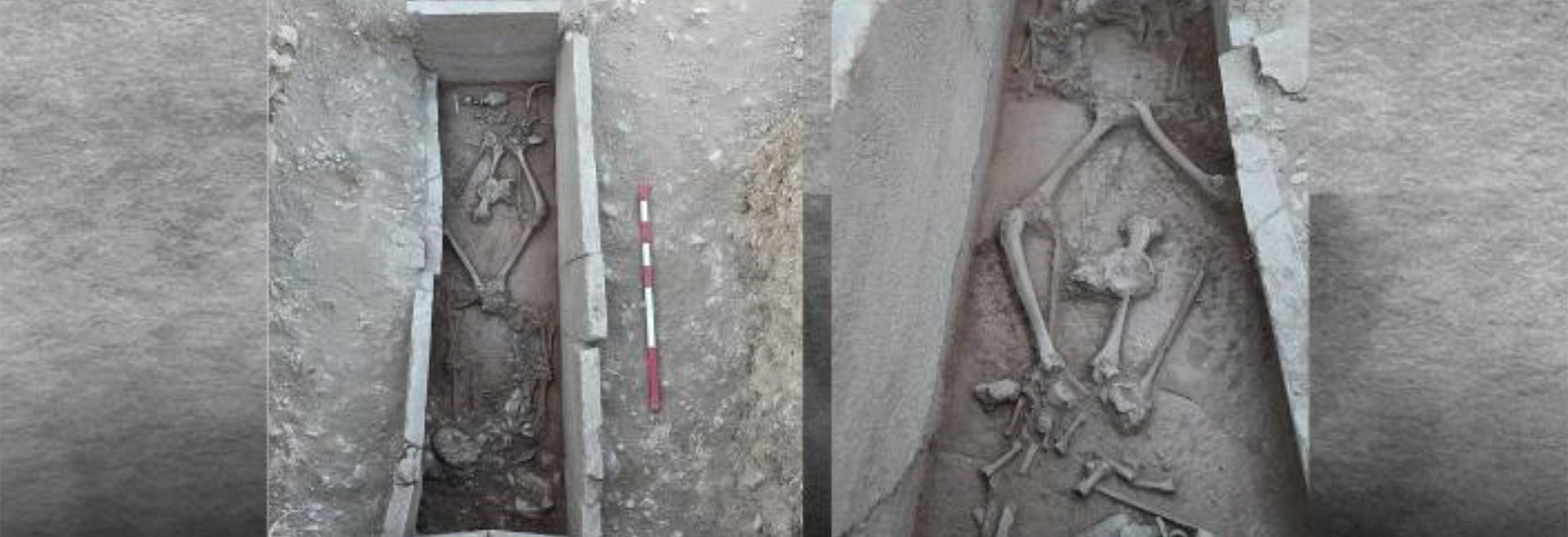
In the ancient city of Aspendos, on the southern coast of Turkey, archaeologists discovered a tomb dating back about 2,400 years that sparked interest due to its possible connection to wrestling. The burial site, constructed with stone slabs in a box-like manner, was found in the eastern necropolis, a sector that had not been documented until now.
Inside the burial, a skeleton was recovered along with coins minted in the city itself. These pieces depict two wrestlers in the midst of a contest, a characteristic motif of the local currency of the time. Turkey's Minister of Culture and Tourism, Mehmet Nuri Ersoy, noted that the coins and other objects found indicate that the person buried may have been linked to the sport, perhaps even as a wrestler.
The tomb is preliminarily dated to between the late 5th century and the 4th century BC, during the classical period of Aspendos. The city, of Pamphylian origin, was known for minting its own silver coins, called staters, which for over a century featured images of naked wrestlers on one side.
This design was not coincidental. It reflected the importance of wrestling in the civic life of Aspendos. The city later boasted a stadium capable of gathering thousands of spectators for racing, javelin, and wrestling competitions.
A Hypothesis That Requires Further Study
Despite the appeal of the idea, specialists warn that the coins alone are not enough to definitively state that the deceased was an athlete. These pieces circulated as common currency in the region, and their presence in a tomb may respond to usual funerary practices.
Historians consulted by various media pointed out that a more detailed analysis of the skeleton will be necessary. Typical injuries from contact sports, such as healed fractures in the nose or other areas of the body, could provide more solid clues. For now, the identity of the occupant of the tomb remains an open question.