“It can be clearly said that there are fewer cats. Where are they? As of today, it is unknown,” summarize the volunteers when describing the situation of the colonies.
Dead cats and devoured seagulls
One of the most concerning testimonies was provided by an administrator of one of these colonies, who confirmed the displacement of the animals and described the condition in which she found some individuals.
"As people entered, the cats have left their habitat, as happens in any natural space," explained the administrator.
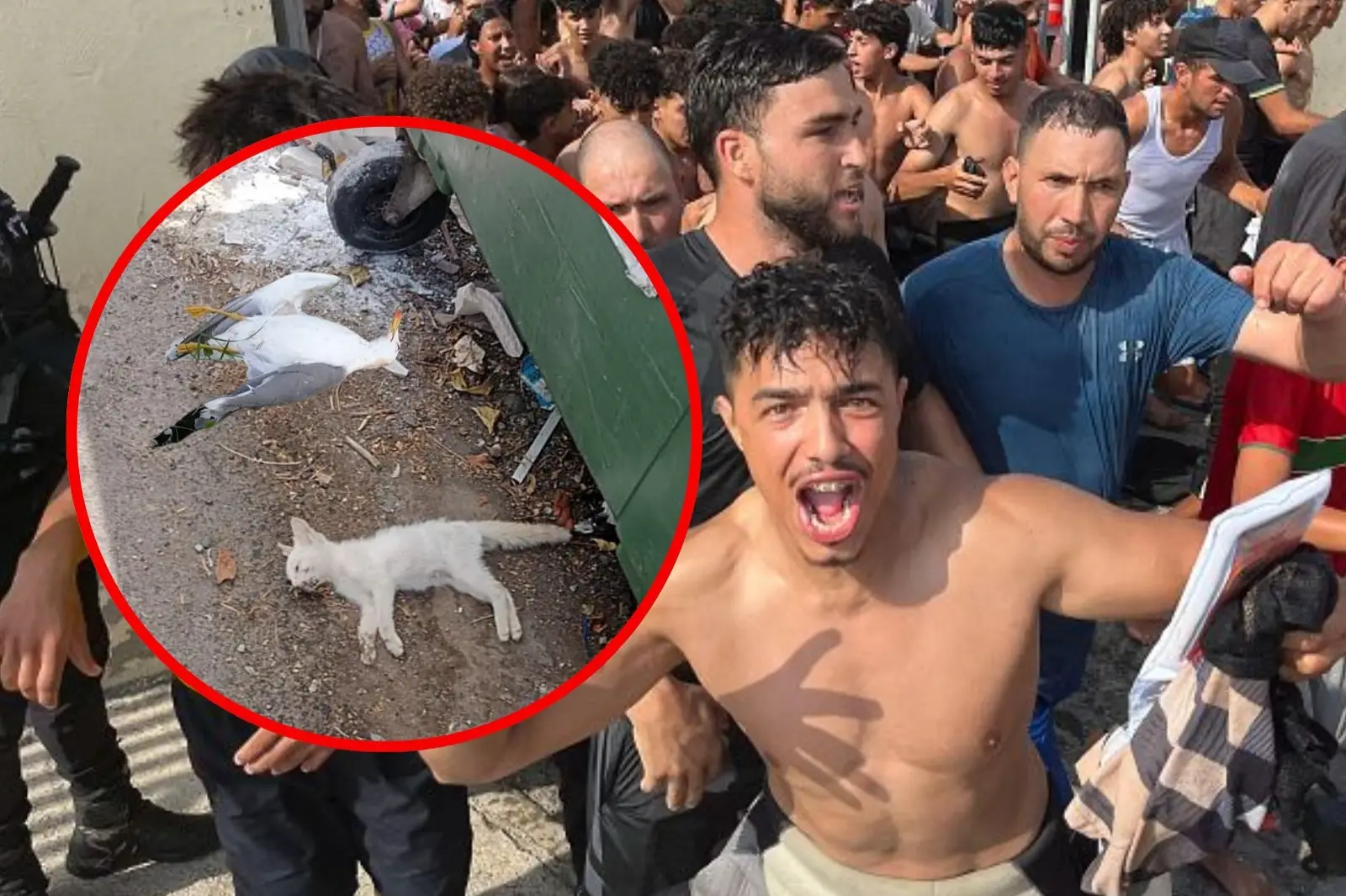
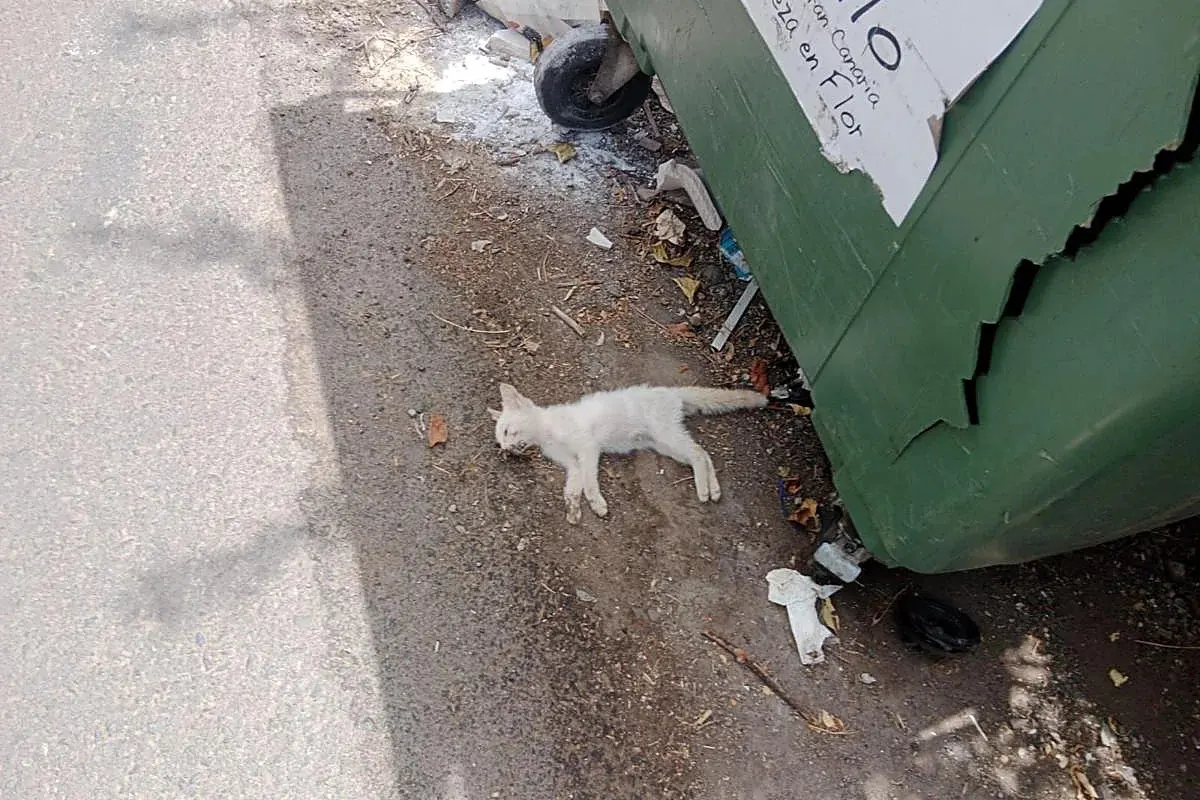
According to her testimony, she also found "many dead cats, cut up", some of which had particularly severe injuries: "they are missing half a body". She also claimed to have found animals that had been pierced with a punch and other cats that had suffered abuse.
On the other hand, the woman found pigeons and devoured seagulls, which raised even greater concern.
The caregivers' fear is concentrated not only on the cats that remain in the colonies but also on those that have disappeared and whose whereabouts are unknown. The displacement of the animals, combined with reports of dead and abused individuals, has deepened the alarm among those who care for them daily.
The volunteers insist that community cats are part of Ceuta's heritage and demand that authorities take measures to protect the colonies in the context of the arrival of thousands of illegal immigrants.
The feline colonies of Ceuta are going through a critical situation following the migratory invasion, according to the volunteer caregivers responsible for feeding and protecting the animals.
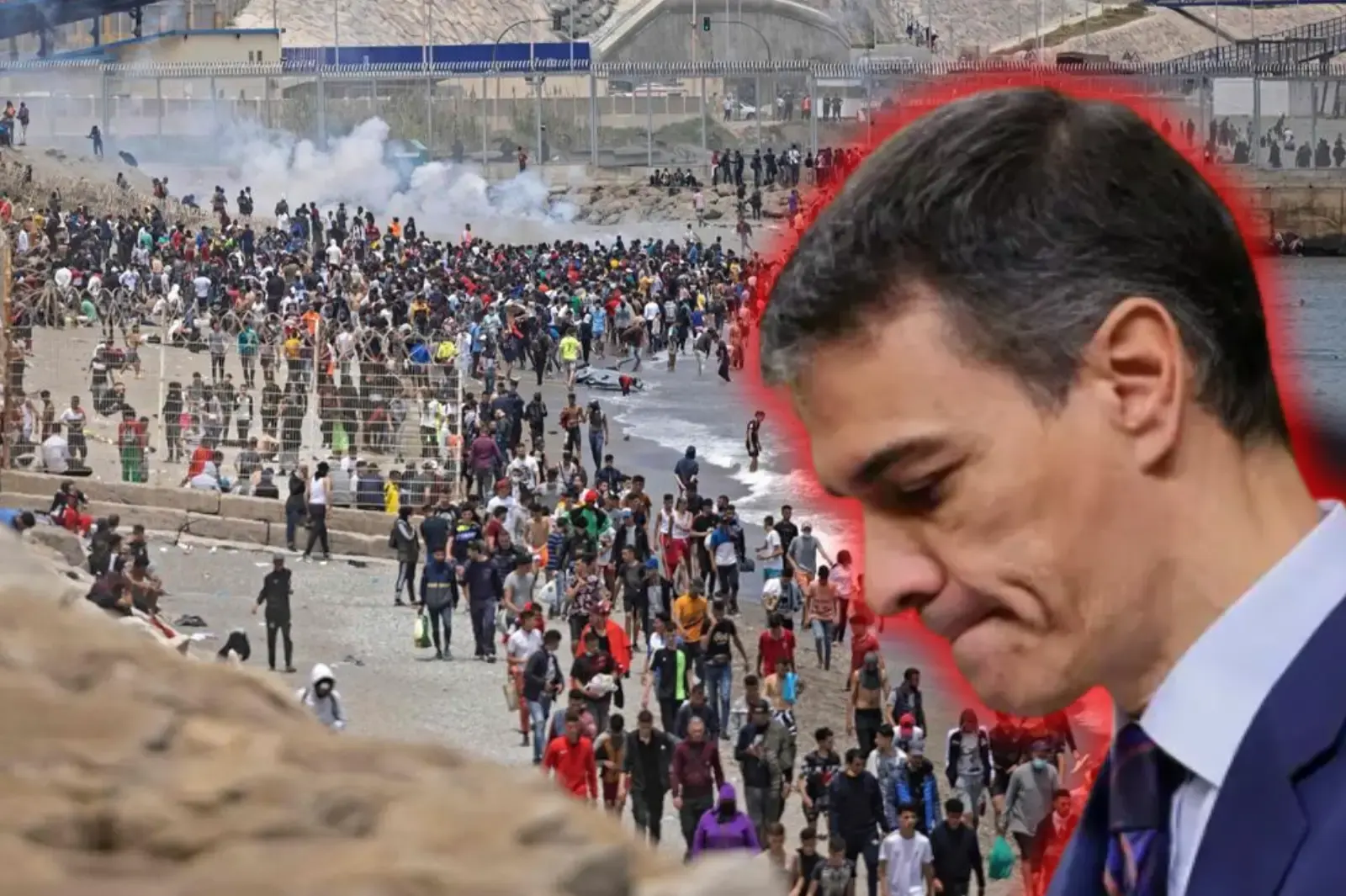
Almost three weeks after the massive and irregular entry recorded on July 30, the volunteers claim that numerous cats have disappeared from their habitats or have even been found dead, and that several colonies have been affected by the occupation of different areas by groups of Moroccan immigrants.
The situation particularly affects colonies located in hard-to-reach areas. The caregivers maintain that the massive arrival of people from Morocco has altered the conditions of these spaces and caused the displacement of the animals.
A dead cat
The volunteers assert that, despite the situation, they have not stopped fulfilling their feeding and care duties. At the same time, they demand greater support from local authorities and particularly point to the Health and Social Services counselor, Nabila Benzina, who is responsible for the feline colonies.
One of the main problems reported occurs in the vicinity of the desalination plant. According to the caregivers, the presence of people in that area has made some of the spaces used by the cats practically uninhabitable.
As territorial animals, the displacement may force them to abandon the areas they usually occupy and seek new places to survive. The volunteers warn that, in that process, they are exposed to issues such as lack of food and water or the risk of being run over.
Illegal immigrants and Pedro Sánchez
The same situation has reached other areas of Ceuta, including Huerta Téllez, Carmelitas, Goya Street, and the neighborhoods of Príncipe, Sidi Embarek, and Punta Blanca, where the caregivers report the establishment of makeshift settlements.