Moreover, the situation became more complex after the reduction of energy support from Venezuela, which for years was one of the main oil suppliers for the Díaz-Canel dictatorship. The decline in Venezuelan production and economic changes in the region directly impacted Cuba's ability to sustain its energy system.
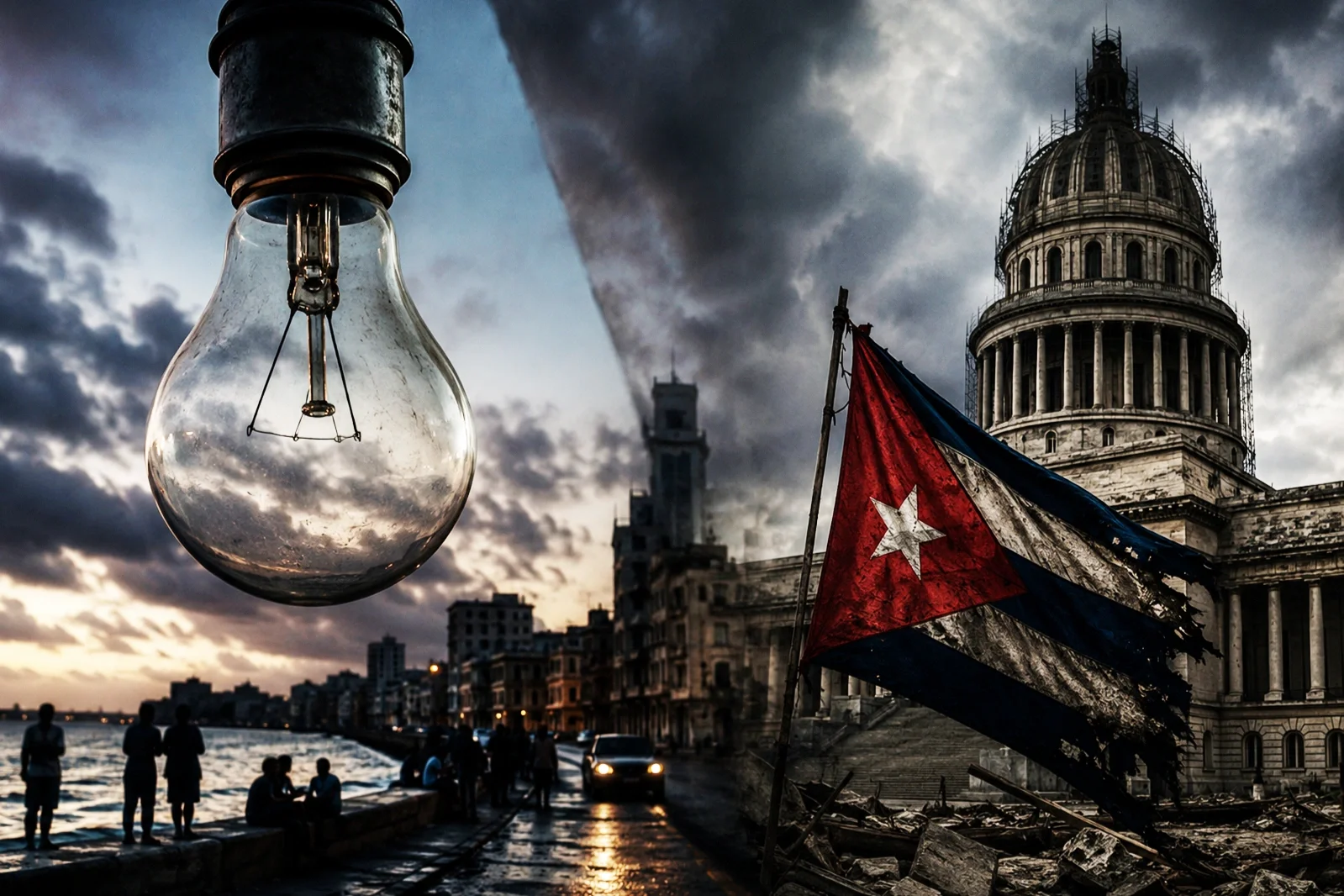
The energy crisis in Cuba has reached increasingly critical levels, and millions of people are facing a situation that many are already describing as a new normal: just a few hours of electricity per day. According to recent reports, in several regions of the island, citizens have access to only three hours of light per day, a situation that profoundly affects daily life, the economy, and basic services.
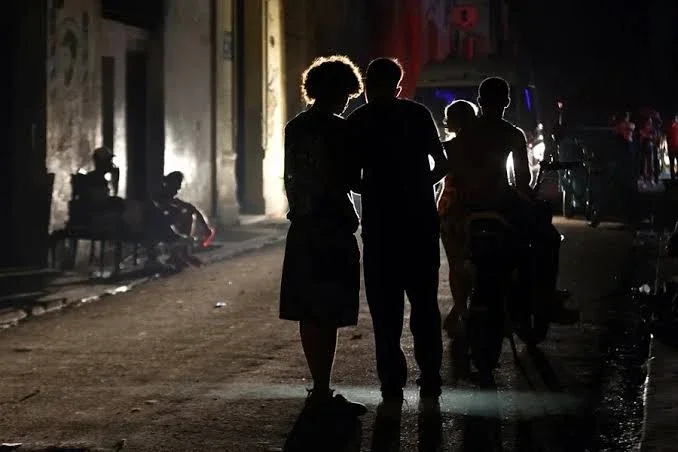
The prolonged power outages have forced thousands of families to completely reorganize their routines. Many people must cook, store water, charge phones, or perform household tasks only during the brief periods when electricity returns. The situation also affects schools, businesses, transportation, and small enterprises that depend on electricity to operate.
Citizens of Havana during a general blackout
The energy crisis has worsened in recent years due to the deterioration of thermal power plants, the lack of investments, and the problems in ensuring fuel supply. The Cuban electrical system operates with aging infrastructure that suffers constant breakdowns and operational difficulties.
The lack of electricity has also deepened other structural problems already affecting the Cuban population, including food shortages, transportation difficulties, inflation, and the deterioration of public services. Many citizens claim that the permanent blackouts have become one of the main factors driving emigration to other countries.
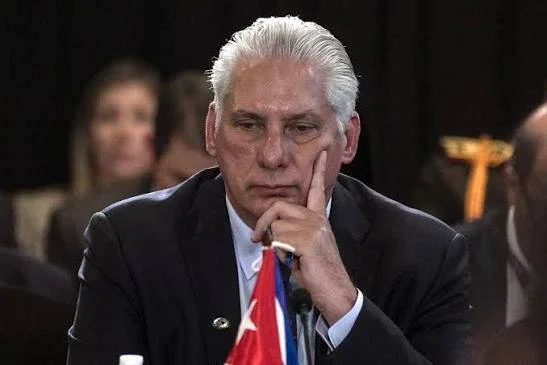
The Cuban dictator Miguel Díaz-Canel
Meanwhile, the Cuban regime of Miguel Díaz-Canel is trying to implement emergency measures and agreements with foreign companies to improve electricity generation, although the results are still limited. Authorities have acknowledged that the situation remains extremely difficult and that outages will continue to affect large areas of the country.
The energy crisis reflects one of the most serious challenges currently facing Cuba. With massive blackouts, deteriorated infrastructure, and an economy under severe pressure, the island is going through one of the most complex moments in recent decades, while millions of people try to adapt to increasingly difficult conditions.