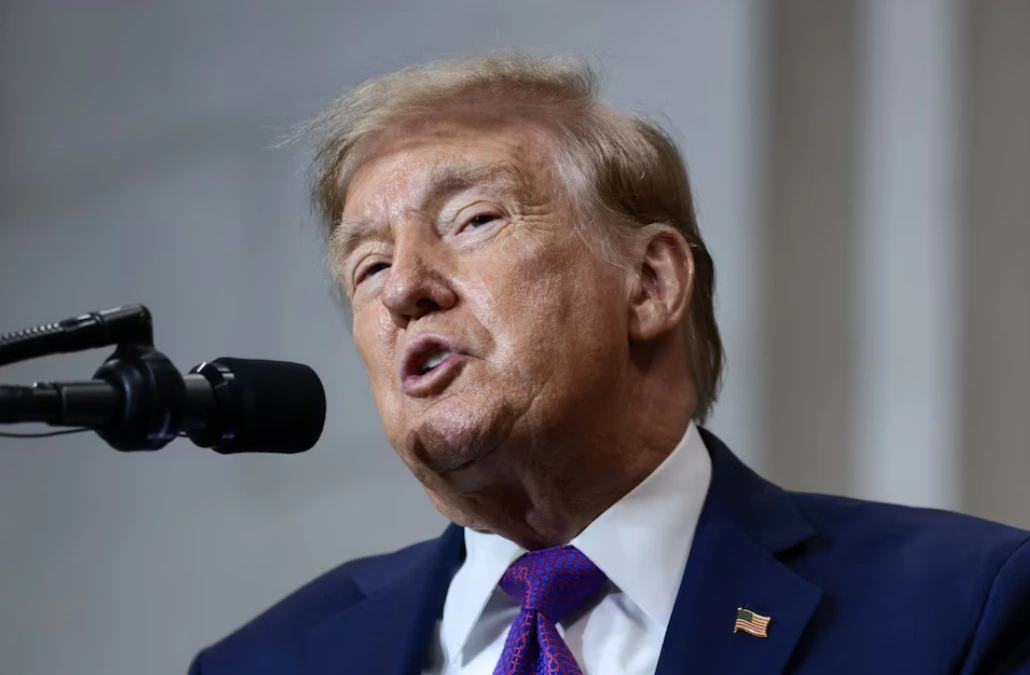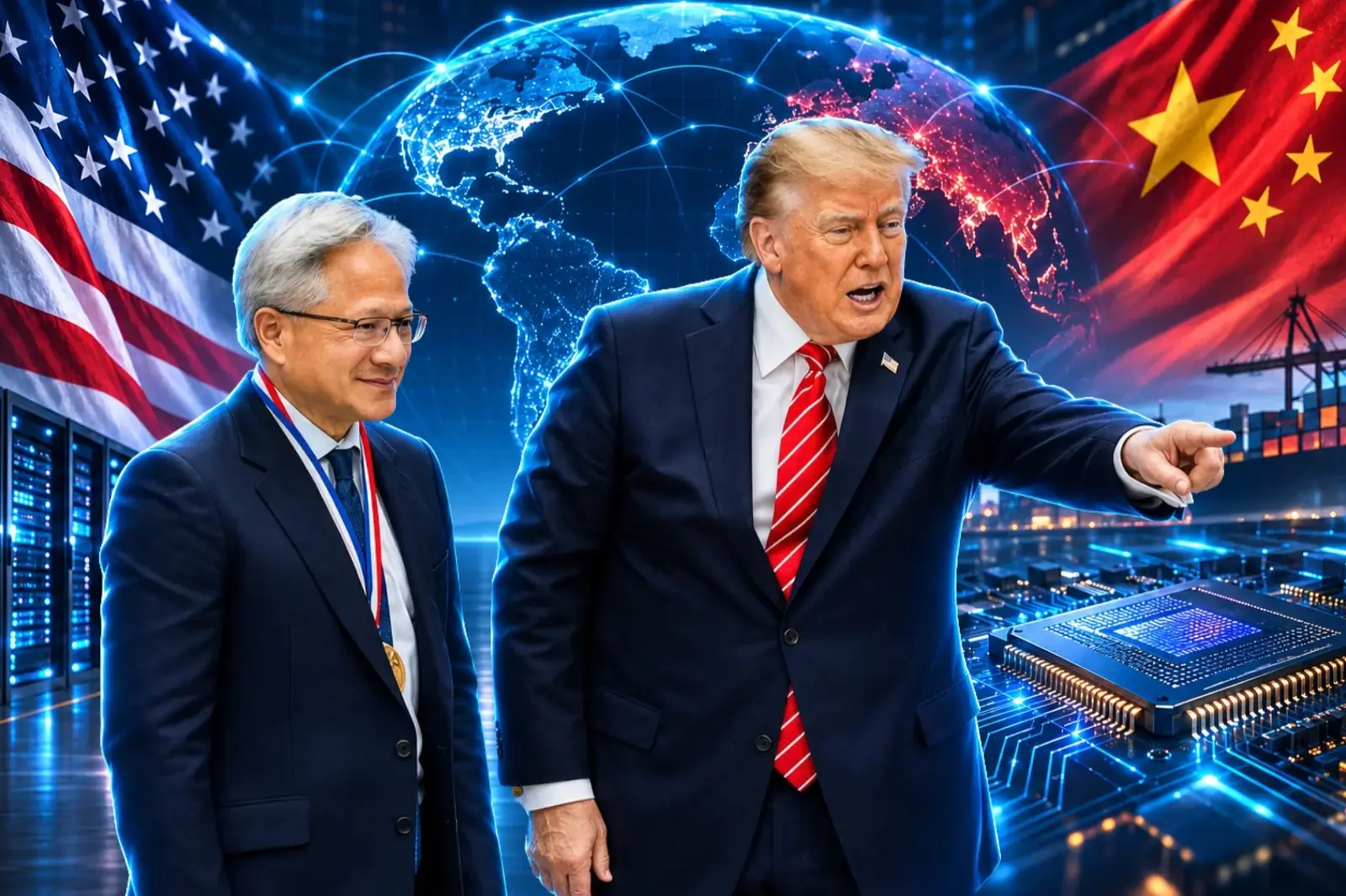

The President of the United States, Donald Trump, expressed his support for Nvidia's CEO, Jensen Huang, and stated that he would be willing to grant him a presidential pardon if necessary, although he clarified that he does not believe the businessman needs such a measure. His statements came amid controversy over his personal ties to a businesswoman suspected of Chinese espionage and investigations into U.S. chip exports to Beijing.
In an exclusive interview with The New York Post, Trump defended the businessman’s track record and stated that he hopes he will respond transparently before Congress, where he will have to provide explanations about Nvidia's operations and its business relationships with China.
"I don't think he needs to invoke the Fifth Amendment. I think it's an interesting story for people," the president said, referring to the constitutional right that allows U.S. citizens to avoid statements that could incriminate them.
The president added that he considers Huang a transparent and intelligent person and hopes he will simply tell the truth during his upcoming legislative appearances.
When directly asked about the possibility of granting him a presidential pardon in the event of potential criminal charges, Trump replied: "It's always an option, I suppose, but I don't think it's necessary".
Trump defended Jensen Huang's return to Nvidia
The president's statements came after Nvidia's board of directors reversed Huang's departure and reinstated him as president and CEO of the company on Monday, November 23.
The businessman had resigned on November 12, after reports emerged about extramarital relationships, including one with Alice Huang, a businesswoman linked to the tech sector who is being investigated for her alleged ties to Chinese intelligence services.
The possibility that this relationship could have compromised strategic information from Nvidia and U.S. technological security raised questions in Washington.
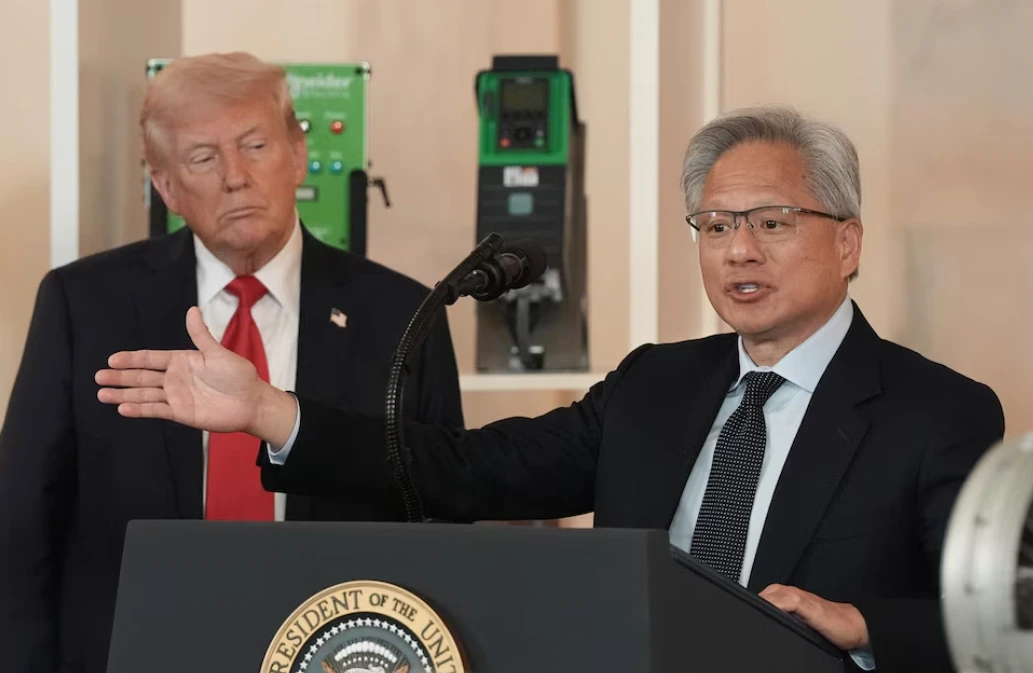
However, Trump intervened to support the executive's continuity and pressured the board to reconsider its decision. The president argued that Nvidia occupies a central place in the technological competition between the United States and China, so inadequate leadership could harm national interests.
"If Nvidia chose the wrong person, that would have been terrible for our country in many ways," Trump stated.
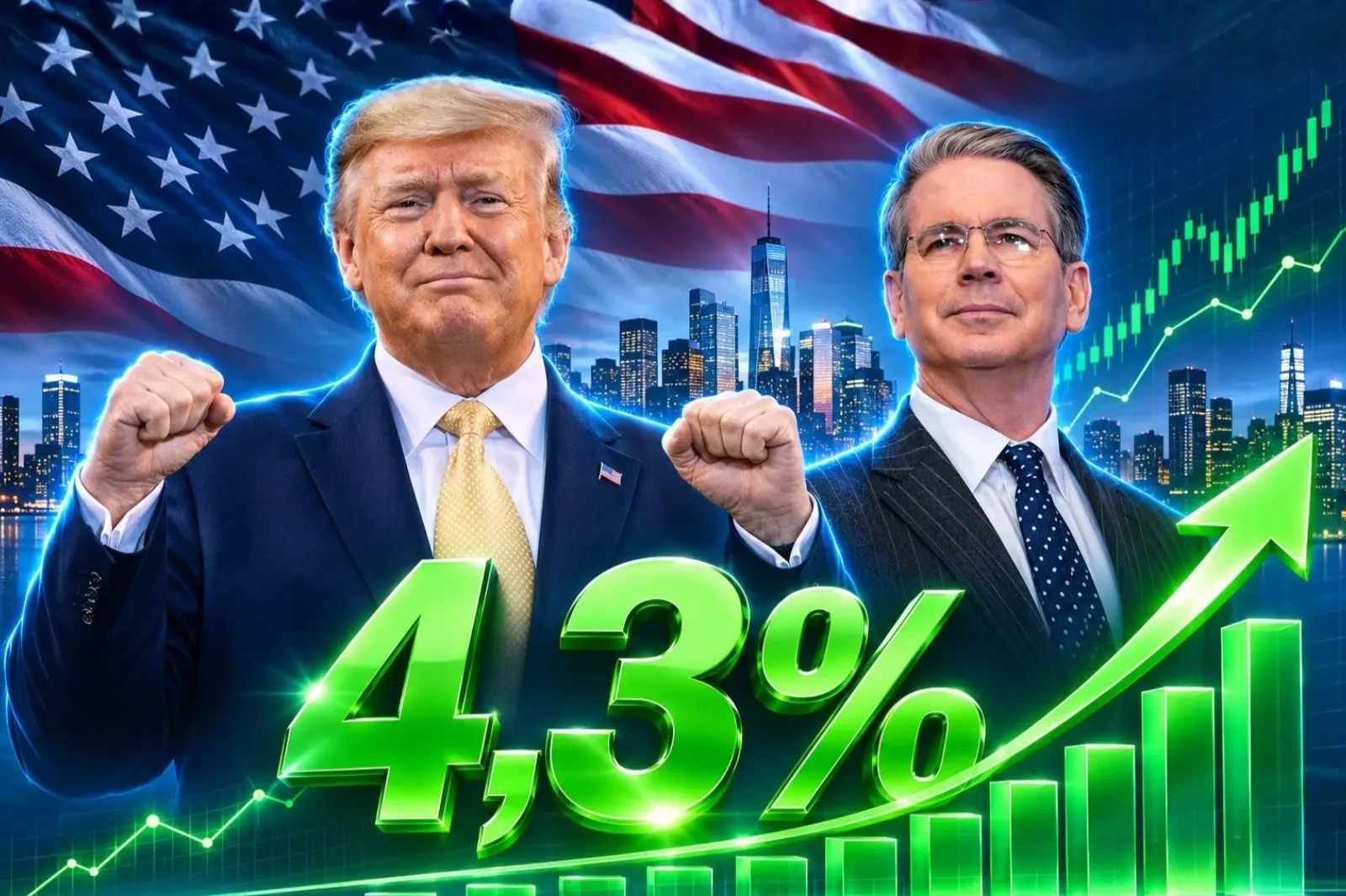
The decision to reinstate Huang also received a favorable reception in the markets: Nvidia's shares saw a strong recovery after news of his return, reflecting the importance investors place on the continuity of his leadership.
Jensen Huang will have to answer before Congress about ties with China
Huang's return did not end the investigations. On the contrary, lawmakers from both parties want explanations about Nvidia's business relationships with Beijing and compliance with U.S. restrictions on the export of advanced semiconductors.