
The director of Mindhunter revealed why he wasn't allowed to make a third season of the Netflix series Furor

The director of Mindhunter revealed why he wasn't allowed to make a third season of the Netflix series Furor
Mindhunter will not have a third season and the reasons have been leaked.

David Fincher explained what the streaming platform required to continue with the production of the successful crime series

Share:

Since the premiere of its second season in 2019, Mindhunter fans have been waiting for news about the continuity of one of the most acclaimed crime series on Netflix. However, despite its popularity among fans of the real crime genre, production has been on indefinite hiatus since 2020. Now, David Fincher revealed what were the demands of the streaming platform that prevented moving forward with a third

installment.

During his participation in the podcast Happy Sad Confused, hosted by Josh Horowitz, the filmmaker addressed the future of fiction while promoting his film The Further Mis-Adventures of Cliff Booth. There, he explained that one of the main obstacles was finding a balance between high production costs and the number of spectators the series had.

According to Fincher, Netflix had informed him that Mindhunter had an audience of approximately two million viewers, while the budget amounted to 100 million dollars per season.

The director of Mindhunter revealed why he wasn't allowed to make a third season of the Netflix series Furor

Faced with these figures, the company proposed to him the possibility of introducing modifications to the narrative to attract a wider audience. The problem was that these changes involved altering one of the characteristics that distinguished the production from other police fictions

.

The Netflix demand that David Fincher refused to comply with

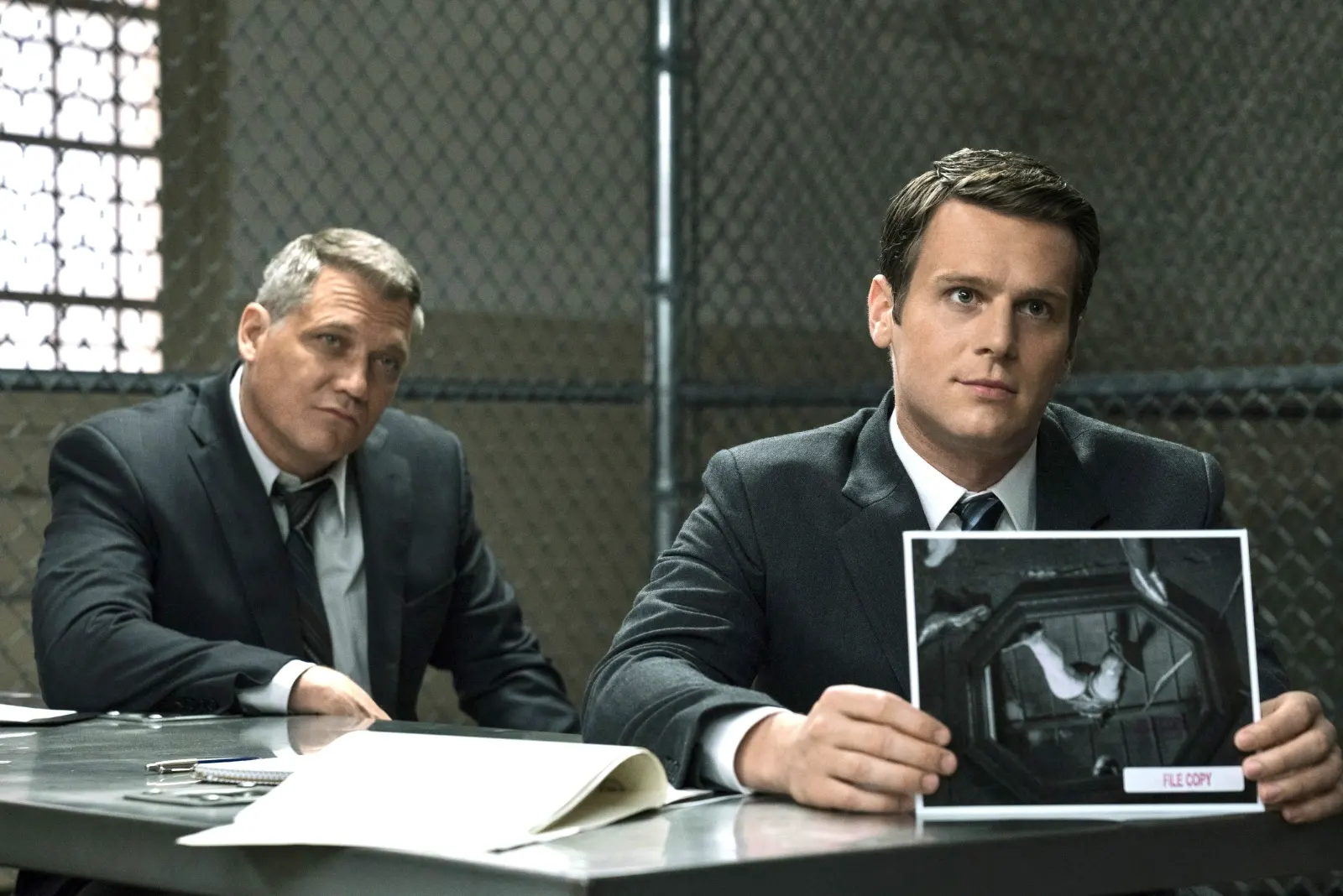
Unlike other series of the genre, Mindhunter focused its story on psychological investigations, interrogations and the behavior of serial killers, instead of constantly resorting

to action scenes.

During the interview, Fincher recalled that Netflix described the production as a series of “guys with polystyrene cups in their hands, sitting at stainless steel tables”.

The platform sought to increase the audience through a proposal that approached the style of CSI, a police fiction characterized by persecution, confrontations and a more dynamic narrative rhythm.

However, the director considered that accepting that suggestion meant modifying the essence of the project and refused to do so.

High production costs prevented him from continuing to record

“No, I can't. I won't. And I don't think you really want me to,” Fincher recalled of the answer he gave to those responsible for Netflix

.

According to the filmmaker, the company understood his position and did not intend to completely transform fiction. However, they needed the number of spectators to justify the economic investment that each season required.

Creative differences and difficulties in ensuring the profitability of a new delivery ended up holding back its continuity.