The conservative leader begins his fourth term at the helm of Slovenia with a center-right coalition that promises to reduce taxes, combat corruption, and cut state bureaucracy.
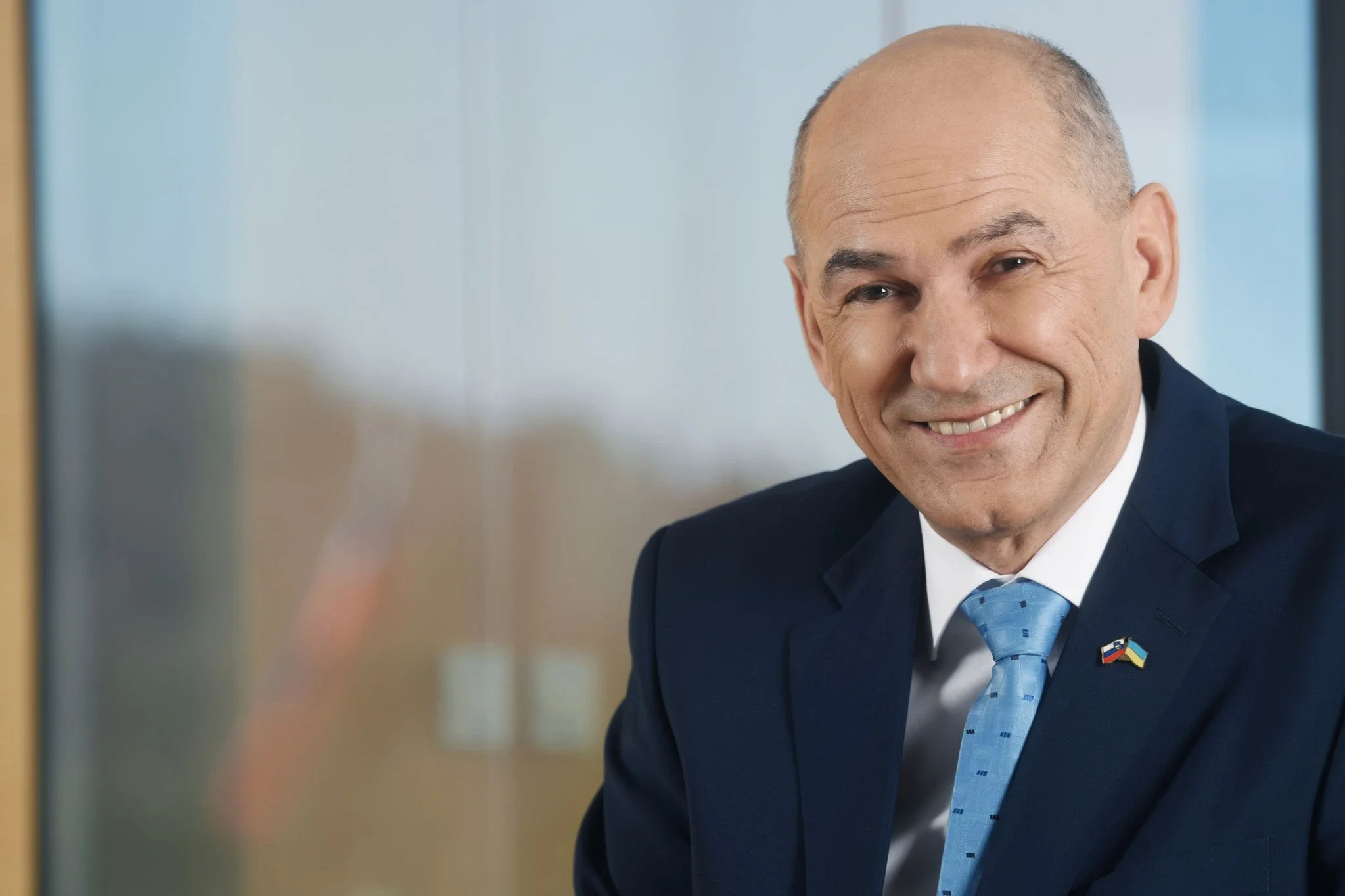
The Slovenian Parliament approved this Thursday the new government led by Janez Janša, consolidating the return to power of one of the most influential figures in Slovenian politics. The investiture was supported by 49 votes in favor and 30 against in the National Assembly of 90 members, allowing the conservative leader to officially begin his fourth term as prime minister.
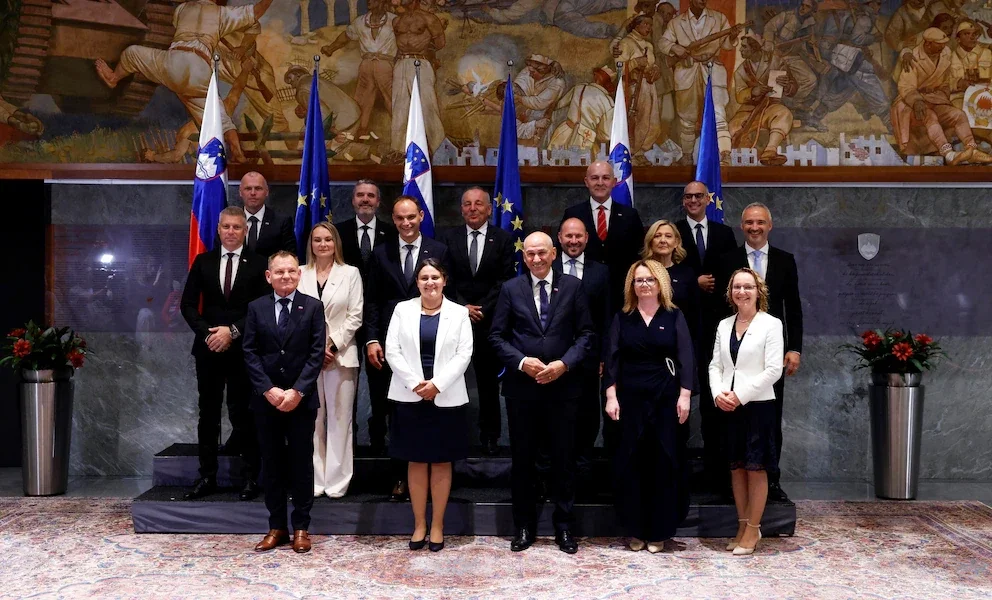
The new administration consists of a cabinet of 15 ministers arising from a coalition of five center-right parties led by the Slovenian Democratic Party (SDS), Janša's political force. The government replaces the liberal administration of Robert Golob, which, despite having achieved good electoral results, failed to build a stable parliamentary majority.
The cabinet of Janez Janša
During his speech before Parliament, Janša promised to promote an agenda focused on tax reduction for families and businesses, simplification of state bureaucracy, combating corruption, and greater decentralization of power to local governments. The new prime minister stated that Slovenia needs to regain economic competitiveness and strengthen the growth of the private sector.
The conservative leader, known for his pro-free market positions and his political closeness to leaders like Donald Trump and Viktor Orbán, returns to power at a time of increasing debate about the economic and political direction of the country. His supporters believe he can bring dynamism back to the Slovenian economy through pro-business reforms and a reduction of the state's weight.
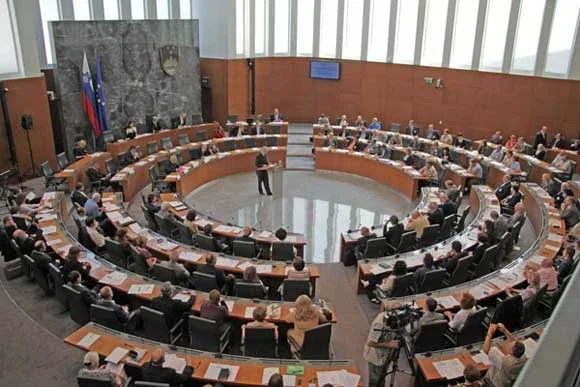
The ruling coalition controls 43 of the 90 parliamentary seats, but also has the support of other forces and representatives of national minorities that allowed them to achieve the necessary majority for the cabinet's approval.
The Slovenian parliament
At the same time, the new government is expected to adopt positions closer to other European conservative governments and review some decisions made by the previous administration on international issues.
With the parliamentary approval of the cabinet, Janša completes his return to power after months of political negotiations. For his supporters, the start of this fourth term represents an opportunity to push for economic reforms and strengthen Slovenia's competitiveness; for his critics, it signifies the return of a figure that continues to generate a deep division within national politics.