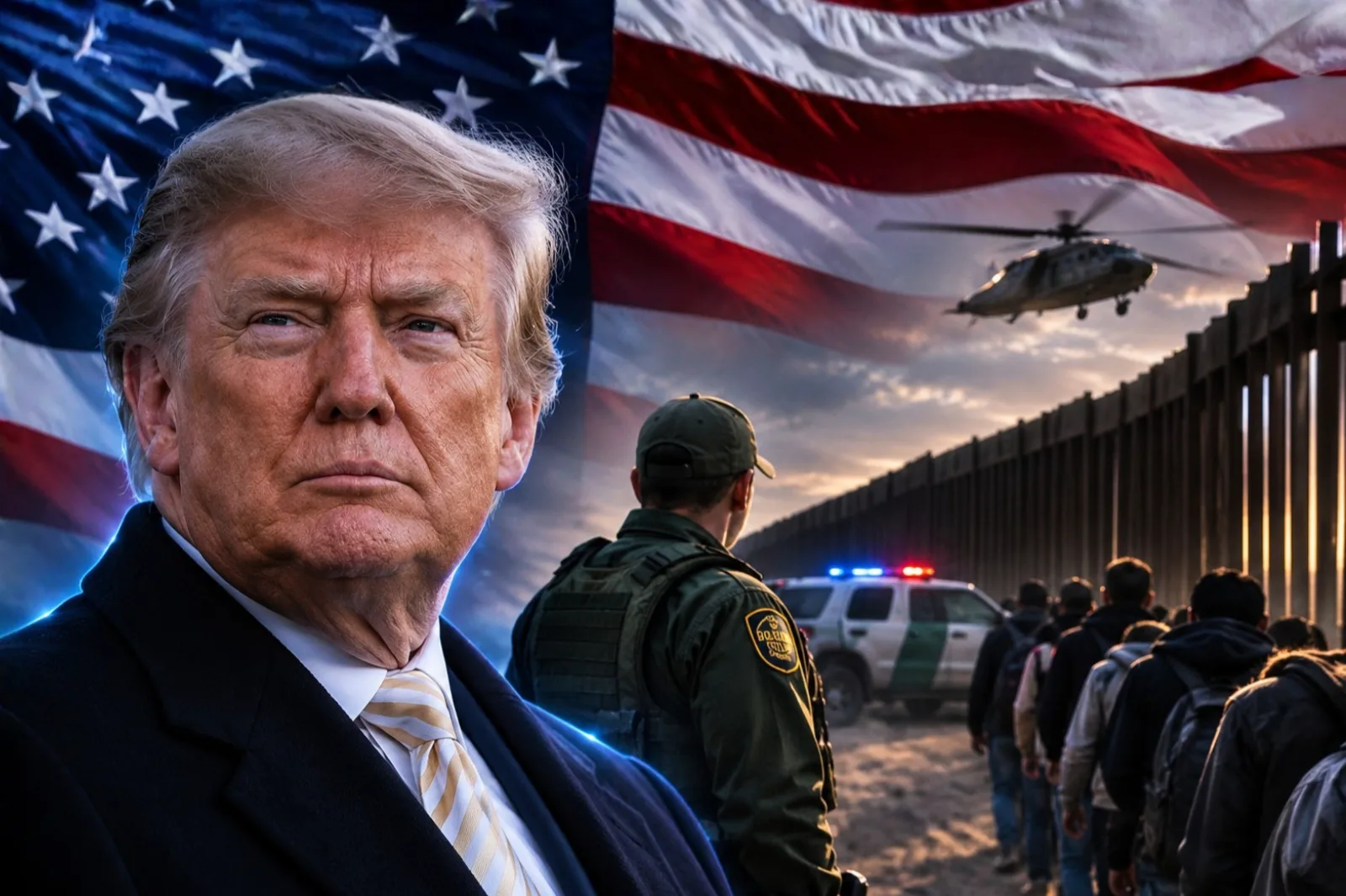
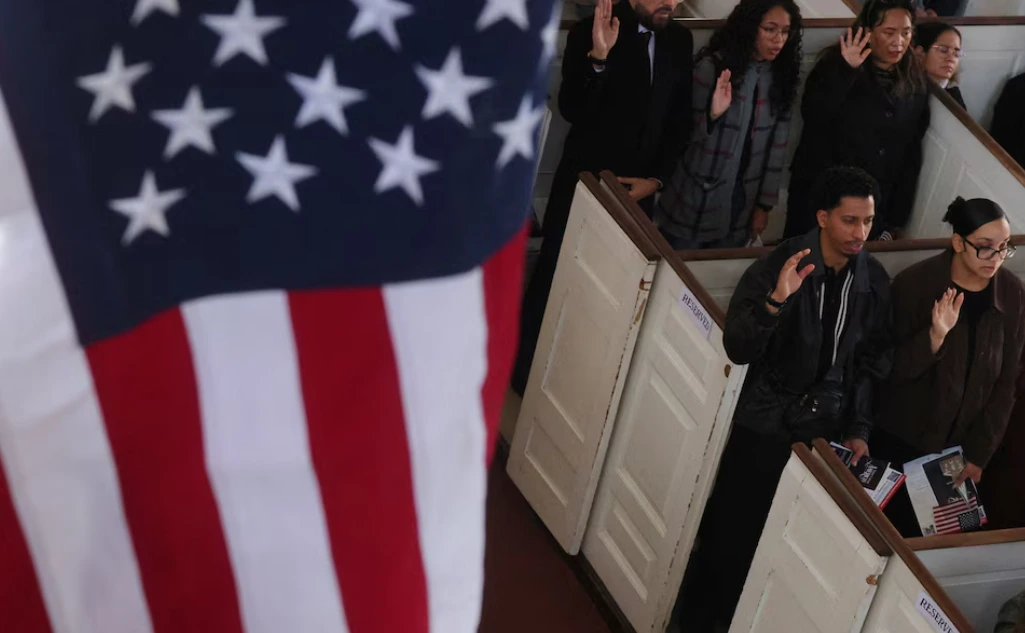
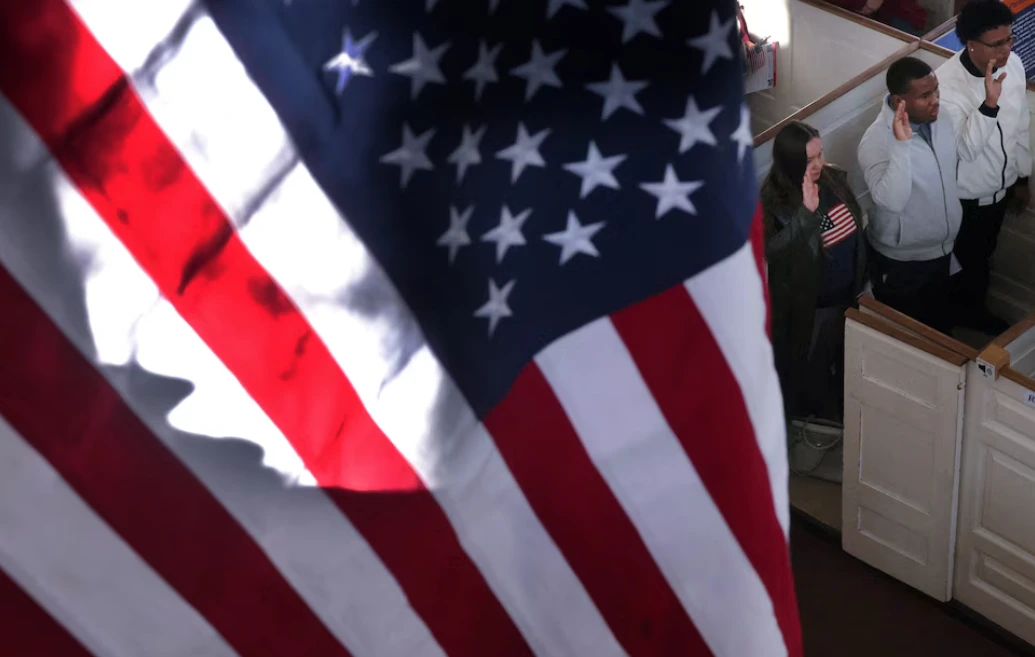
The administration of President Donald Trump saw a sharp decline in U.S. citizenship approvals during 2026, amid tightening immigration controls and a stricter review of naturalization procedures.
According to an investigation by The Washington Post, the United States approved approximately 173,000 citizenship applications between January and August of this year, representing a 72% reduction compared to the same period in 2025.
The decline raised questions from Democratic lawmakers, especially in Maryland, where nine representatives and senators demanded explanations from the U.S. Citizenship and Immigration Services (USCIS) regarding delays, denials, and the backlog of pending cases.
This information comes in the context of changes in immigration policy driven by Trump, who made border control, enforcement of immigration laws, and the review of entry and residency procedures in the United States priorities of his second term.
Democrats press USCIS over delays in citizenship approvals
On November 20, nine Democratic lawmakers from Maryland sent a letter to USCIS Director Joseph B. Edlow demanding action in light of the deteriorating processing times for naturalization applications.
The document bears the signatures of Senators Chris Van Hollen and Angela Alsobrooks, along with seven Democratic representatives.
Democrats pressure USCIS over citizenship delays
The congress members requested a written response within 30 days and called for a plan to reduce the backlog of cases and restore normal resolution times.
One of the main areas of concern is the USCIS office in Baltimore. According to the lawmakers, between June 1 and October 22, the estimated timelines for resolving applications increased from between eight and 12 months to a range of between 15 and over 20 months.
They also noted an increase in denials: the rejection rate reportedly rose from 7% during the second quarter to 35% in the third quarter of fiscal year 2026.
The Baltimore office resolved 391 cases during that last period, compared to 1,178 in the previous quarter.
Over 800,000 applications await resolution
The investigation by The Washington Post also revealed a significant increase in pending naturalization cases.
According to the outlet, the backlog grew from approximately 500,000 applications at the beginning of Trump's second term to over 800,000 in August 2026.
The reduction in approvals and the increase in unresolved cases fueled criticism from immigration organizations and Democratic representatives.
The phenomenon also extends to other states. In Miami, estimated processing times were between 10 and 14.5 months as of October 22, while in Orlando they ranged from 13.5 to 18.5 months.
However, the figures do not allow attributing the entire decline in approvals solely to the new immigration control policies: administrative suspensions, judicial litigation, and the operational capacity of USCIS offices also play a role.
A court ruling reversed part of the immigration restrictions
Part of the delays is related to measures taken by USCIS at the end of 2025, which suspended the resolution of naturalization applications and other immigration benefits for citizens of certain countries, including Cuba.
On June 5, 2026, Federal Judge John J. McConnell Jr. declared those provisions illegal and ordered their nationwide annulment.
A court ruling reversed part of the immigration restrictions
The Trump administration appealed the decision, but the First Circuit Court of Appeals upheld the ruling in August that nullified the suspension.
According to the organization Press Unpause, more than two million applications for various immigration benefits were affected during the nearly seven months that the halt lasted.
Meanwhile, another class action lawsuit, identified as Red Eagle Law v. Edlow, resulted in a court order to regularly resume the processing of individuals affected by the process.
Trump's immigration policy keeps focus on controls
The reduction in naturalizations is part of a phase of greater demands on the U.S. immigration system. The Republican administration seeks to strengthen control and oversight mechanisms, although the available figures show that the process also faces administrative and judicial difficulties.
The debate pits two positions against each other: while Democrats demand to expedite naturalizations and resolve the backlog of cases, the Trump administration prioritizes the review of immigration procedures and compliance with legal requirements.
The evolution of pending applications and judicial decisions regarding immigration measures will determine the extent of changes in the coming months.