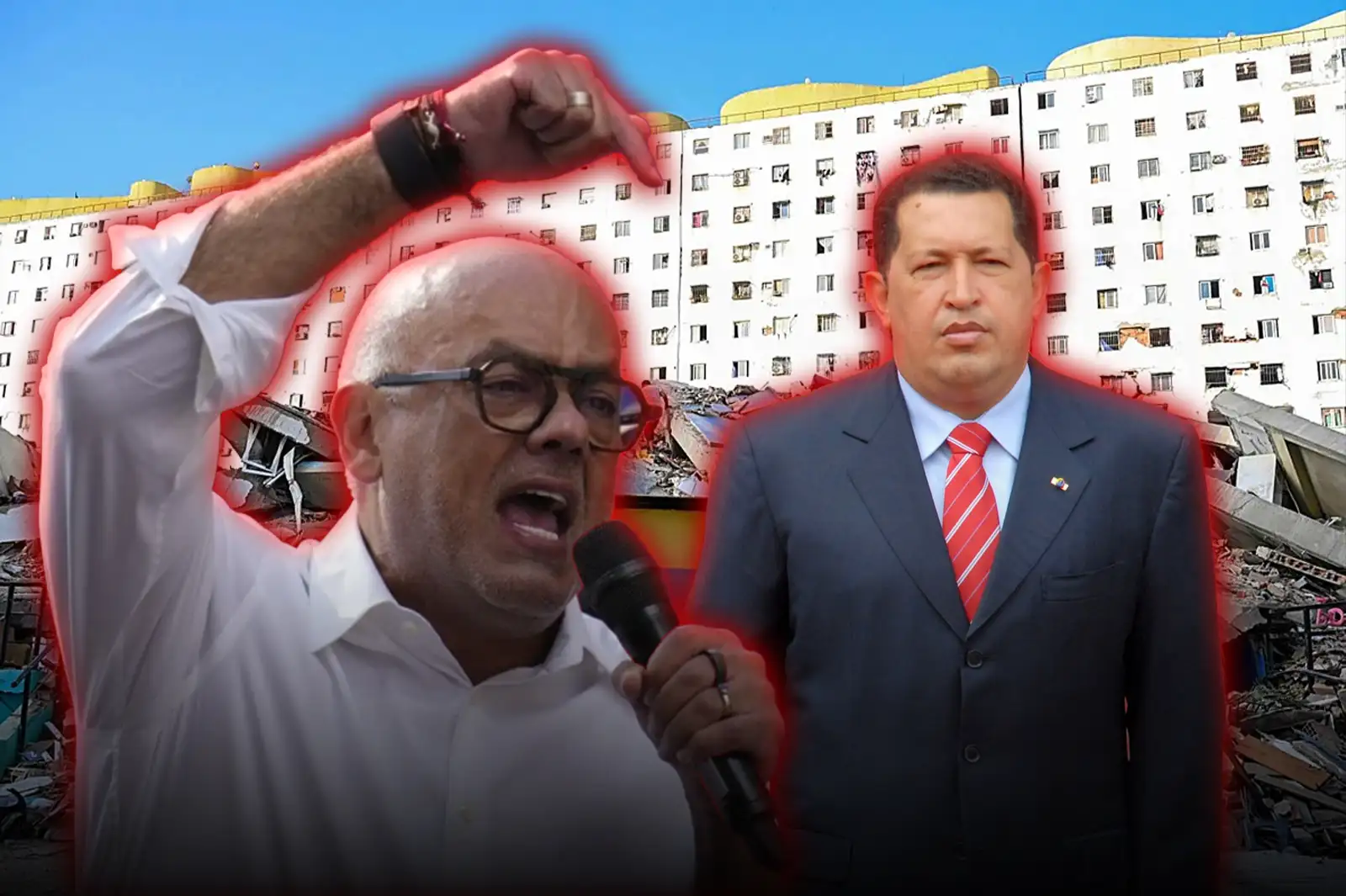
Authorities announced that they will seek to modify the regulations approved during Hugo Chávez's regime to encourage the rental of vacant homes and address the housing emergency caused by the earthquakes
The Rental Law was enacted in 2011 with the aim of strengthening tenant protection, regulating rental prices, and limiting evictions. However, the law only generated legal uncertainty for property owners and restricted the mechanisms for recovering properties in case of non-compliance.
The announcement comes amid the housing crisis generated by the earthquakes on June 24. According to the latest official report, more than 4,500 people died, thousands were injured, and nearly 18,000 residents were left homeless. Authorities also reported that hundreds of buildings suffered structural damage and that it will be necessary to build tens of thousands of new homes to assist the affected.
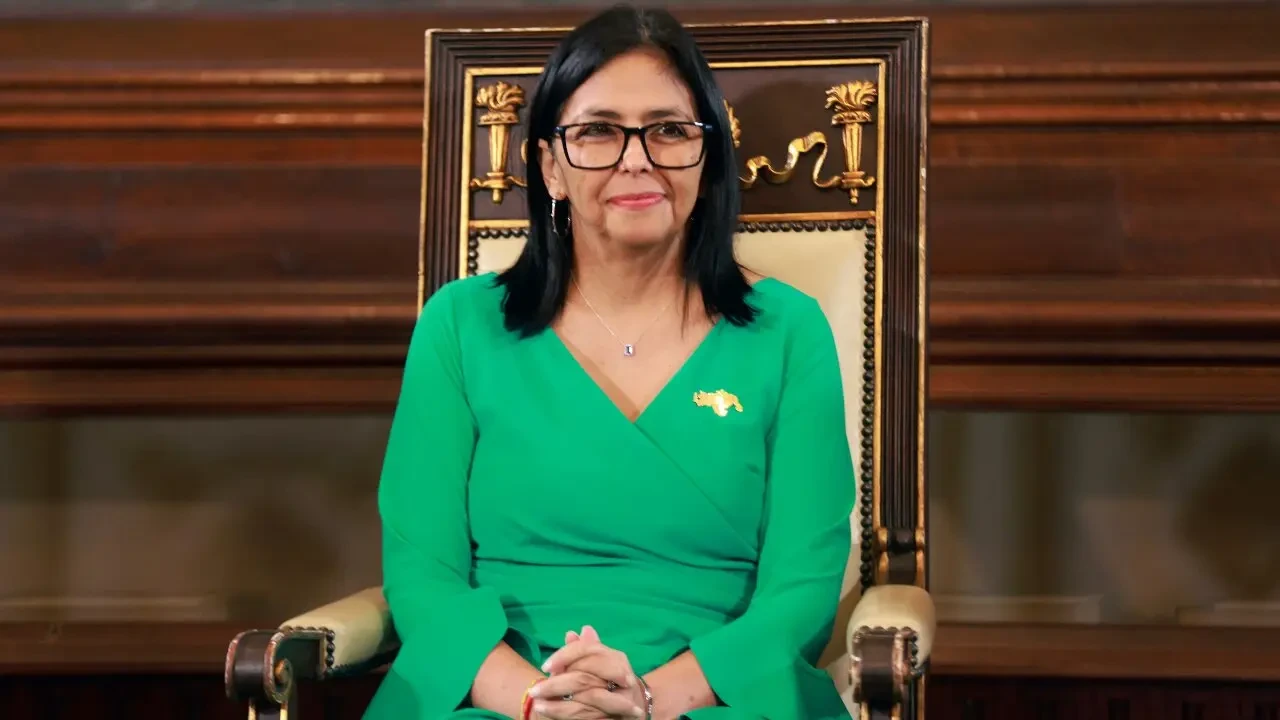
The Venezuelan dictator Delcy Rodríguez
Rodríguez noted that the reform will seek to offer greater guarantees to property owners to encourage currently vacant homes to return to the rental market. Parliament plans to debate the project in the coming weeks as part of the reconstruction plan initiated after the emergency, while the regime continues to evaluate other measures aimed at facilitating access to housing solutions for affected families.
The modification of the legislation would represent one of the most significant changes in housing policy implemented in Venezuela in recent years. The debate occurs in a context marked by the need to accelerate the reconstruction of areas affected by the earthquakes and to expand the availability of housing for thousands of people who remain displaced as a result of the natural disaster.
The consequences of the earthquakes that affected northern Venezuela led the regime to announce a reform of the Law for the Regulation and Control of Housing Rentals, a regulation approved during Hugo Chávez's dictatorship.
The president of the National Assembly, Jorge Rodríguez, stated that the current legislation has had negative effects on the rental market and argued that it will be necessary to modify it to increase the supply of available housing in response to the emergency generated by the earthquakes.
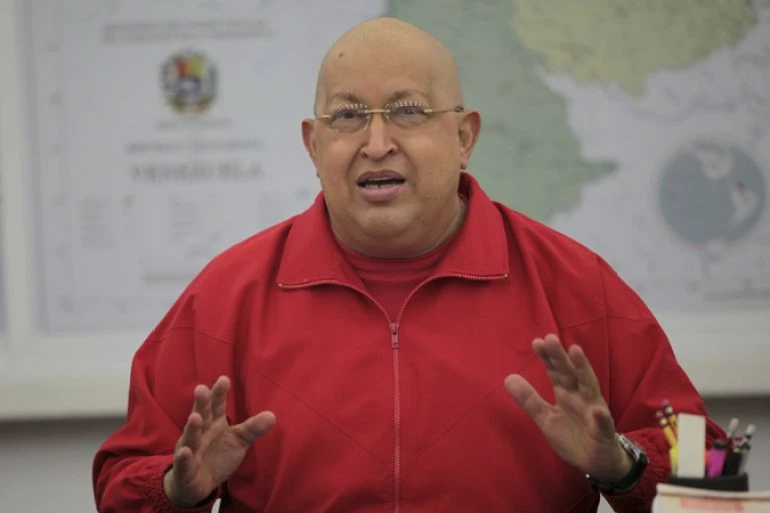
The former dictator Hugo Chávez
Rodríguez explained that the regime needs to incorporate around 200,000 homes into the rental market to respond to thousands of families who lost their homes after the disaster. He indicated that many property owners chose to keep their properties vacant due to the restrictions established by the law, which significantly reduced the supply of available rental housing.