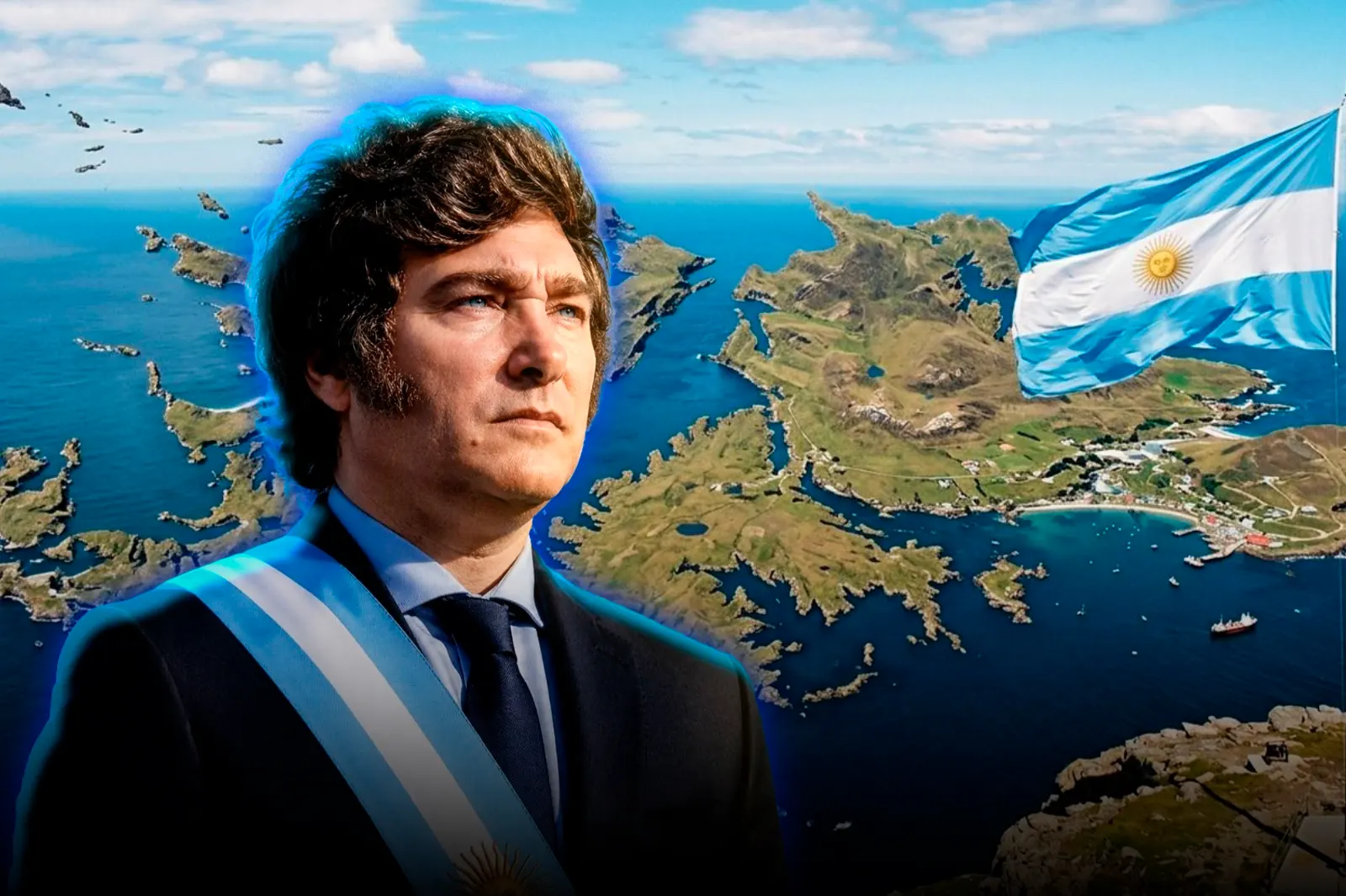

On Wednesday night, President Milei addressed the Argentine people in a historic national broadcast. Not only for a strong assertion of Argentine sovereignty over the Malvinas Islands, but because for the first time in the lives of many of us, we have a government that thinks long-term.
On one hand, the government has expressed a clear commitment to the constitutional mandate to exercise sovereignty over our territory. Going beyond mere words and empty declarations that politics had accustomed us to, the national government will impose peaceful but exemplary sanctions on actors involved directly or indirectly in the illegal exploration and exploitation of our natural resources.
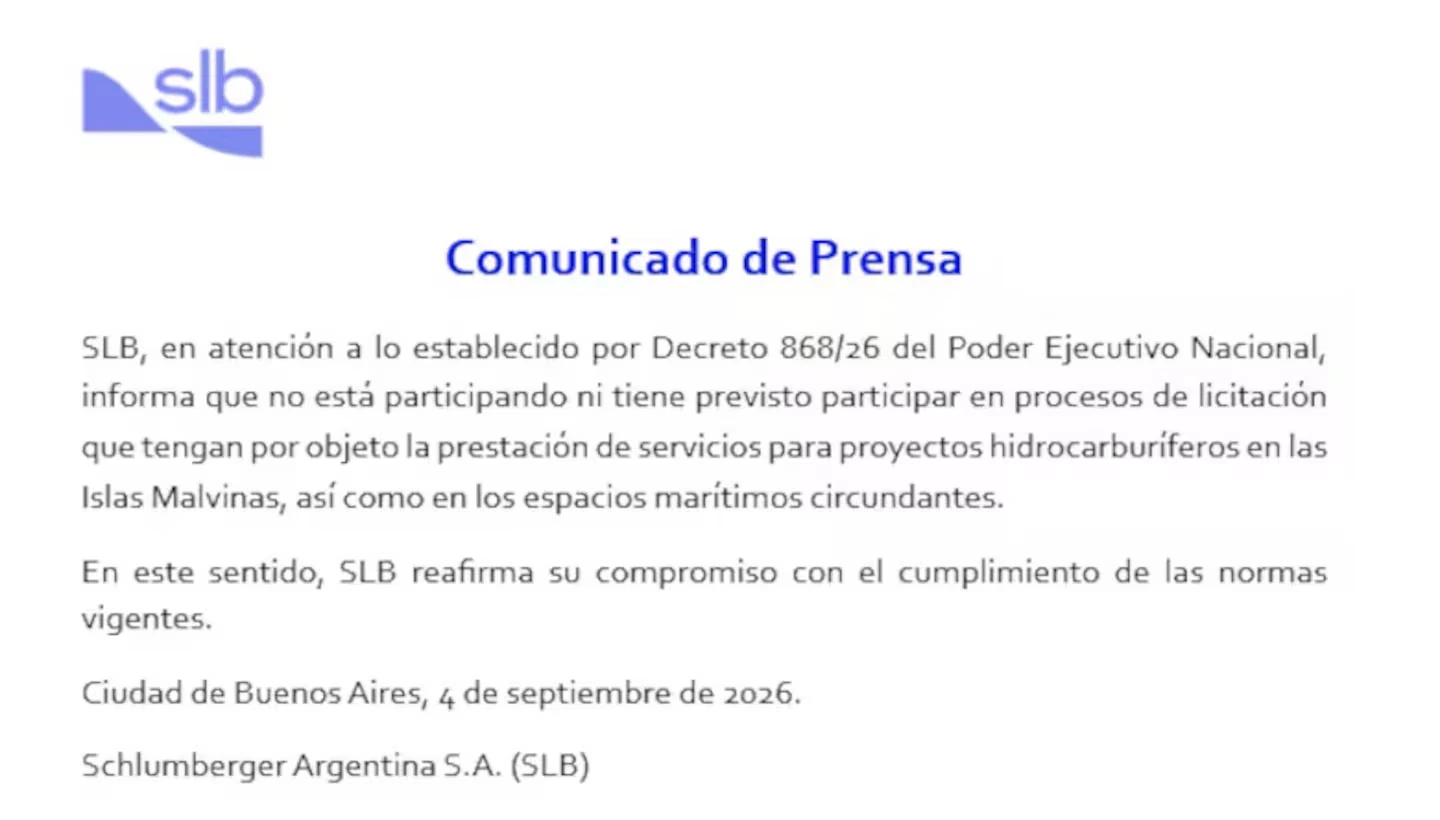
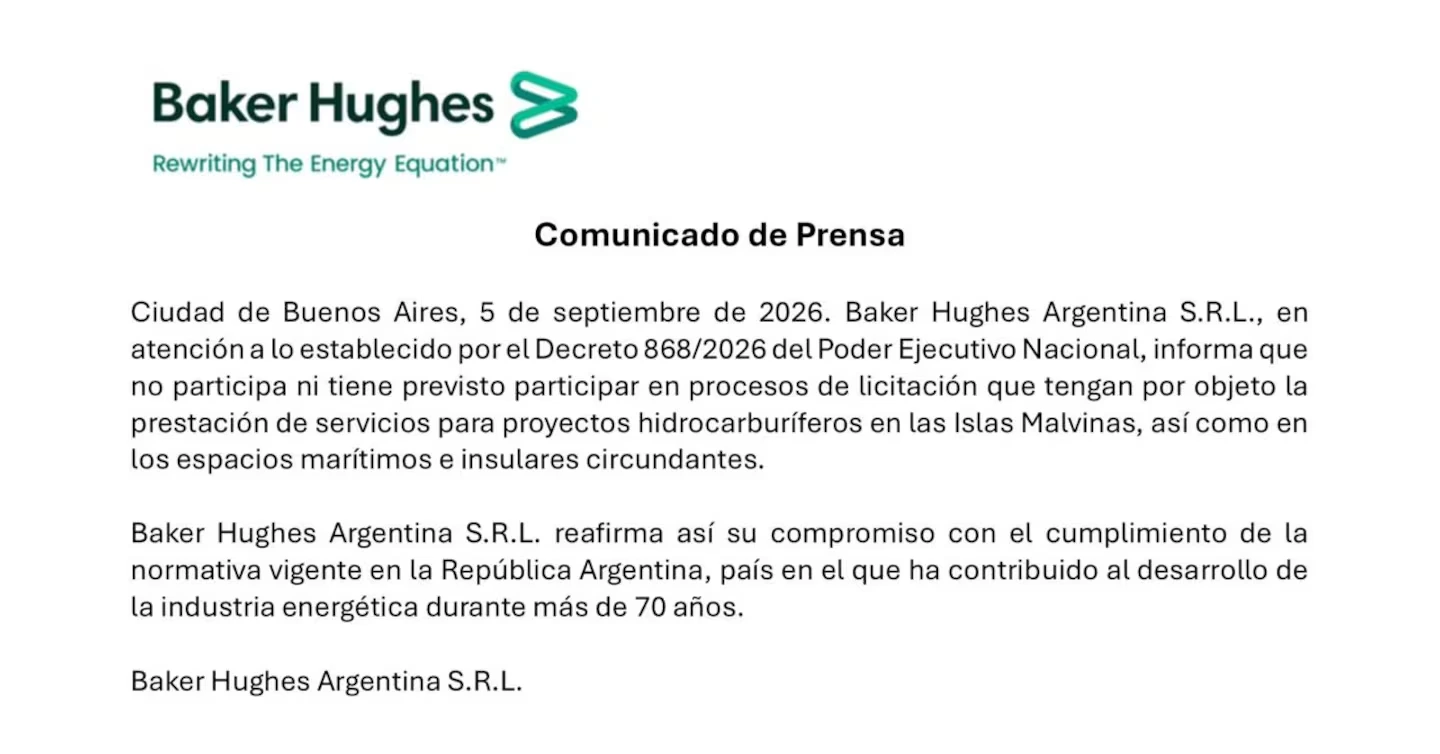
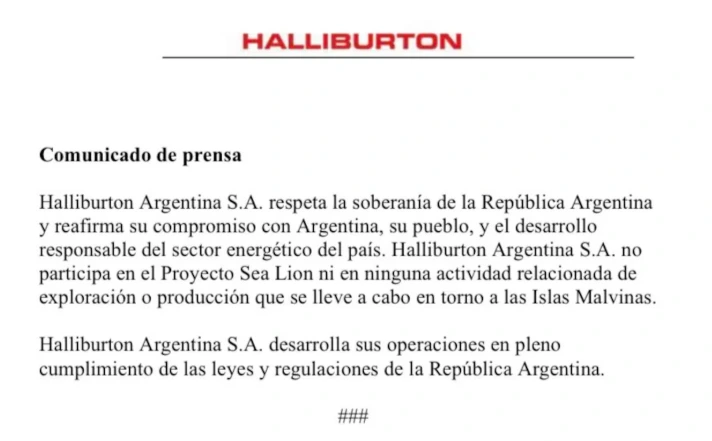
As a result, for example, the company SLB, Baker Hughes, and Halliburton have publicly stated their commitment to the current regulations, anticipating in a statement that “they are not participating and do not plan to participate in bidding processes aimed at providing services for hydrocarbon projects in the Malvinas, as well as in the surrounding maritime areas.”
A New Law for the Defense of National Sovereignty
On the other hand, the President announced that he will send a National Sovereignty Defense Law project to Congress with three main points: tightening Law 26.659 to sanction companies and suppliers participating in unauthorized operations in the islands—disqualifying them from contracting in Argentina and including, when appropriate, trial in absentia, and extending the regime to other activities affecting natural resources; creating a National Security Council that establishes a mandatory and cross-cutting policy, coordinating Foreign Affairs, Defense, Intelligence, and Economy, and protecting critical infrastructure and aerospace and maritime space; and empowering that Council to respond with economic and diplomatic tools against state or non-state actors that threaten national security.
It is worth clarifying that all this occurs in the context of a historic reevaluation of the United States' position regarding the sovereign conflict announced by President Trump. This is not coincidental, but stems from a radical decision in foreign relations.
The government has carefully worked on its geopolitical alliances, shifting towards the West, undoing the unfortunate Kirchnerist legacy of close ties with the worst in the world.