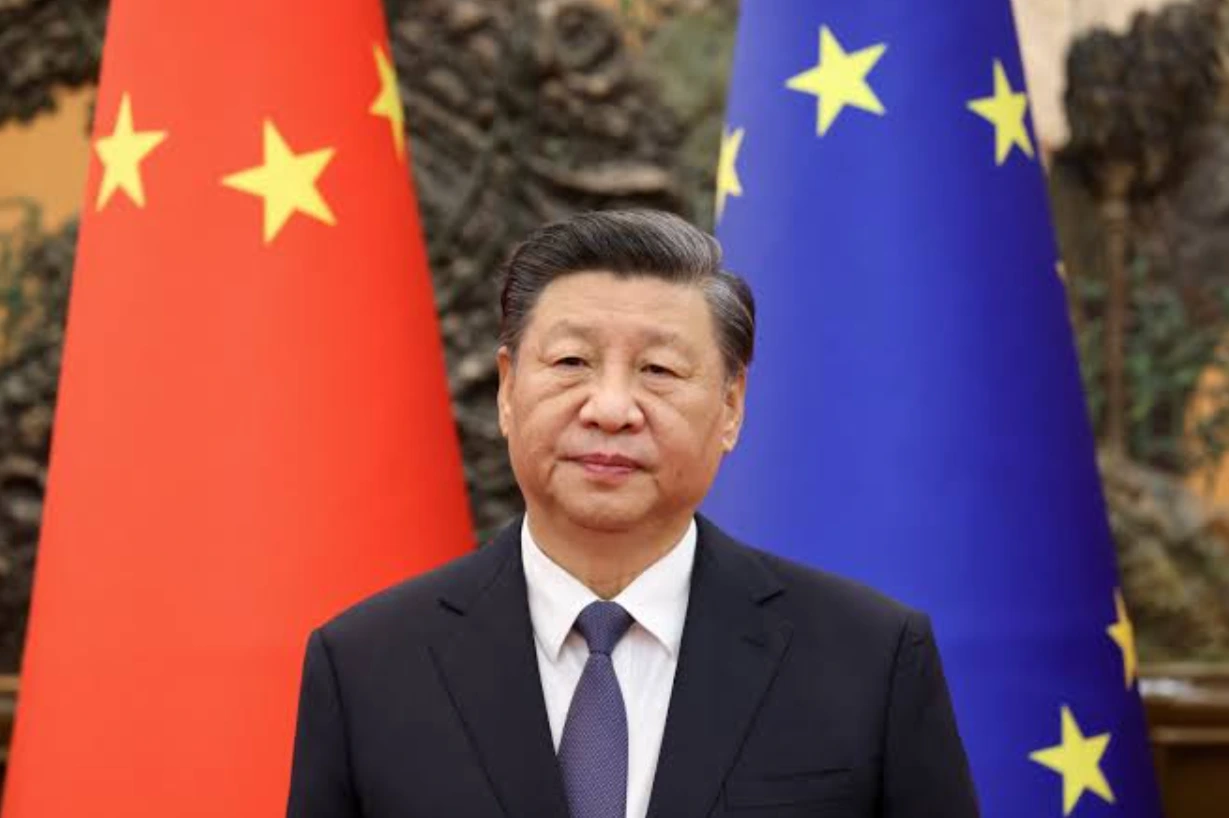
The communist dictator of China, Xi Jinping, defended the Communist Party's decision to suppress the Tiananmen protests of 1989 and, in an unusual acknowledgment, admitted that the Asian giant is currently going through a period of difficulties.
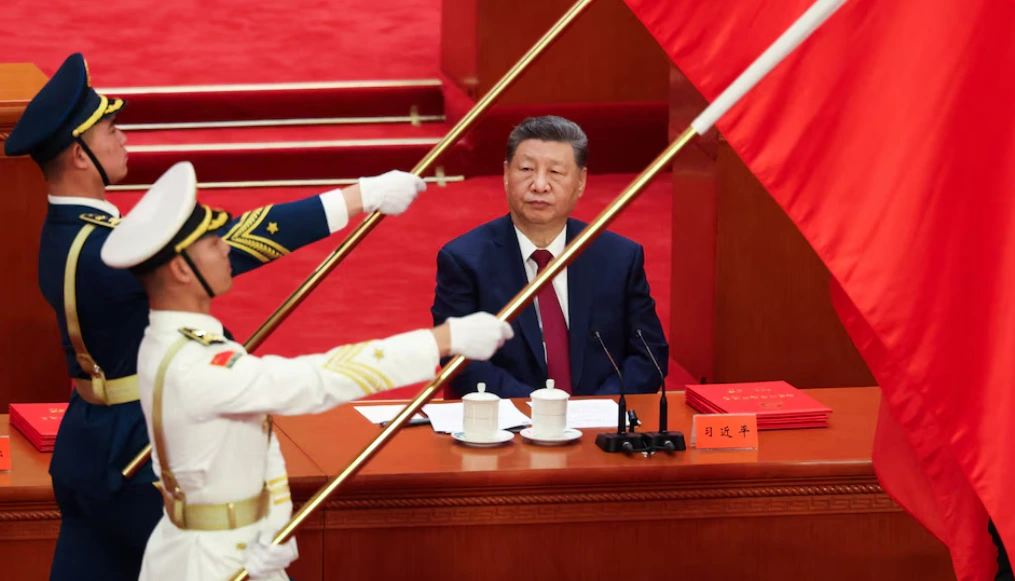
The statements were made during a speech for the centenary of the birth of Jiang Zemin, former Chinese president and leader who rose to the highest power of the communist regime after the bloody crackdown on protesters demanding greater political freedoms.
Before thousands of officials and delegates gathered in the Great Hall of the People, Xi praised Jiang for having supported the decisions made by the Communist Party during the 1989 crisis. The leader maintained that this action helped preserve the political stability of the regime.
Xi defended the Tiananmen massacre
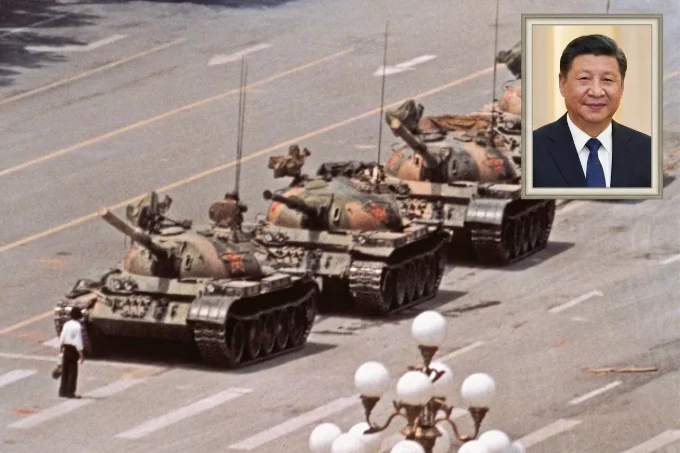
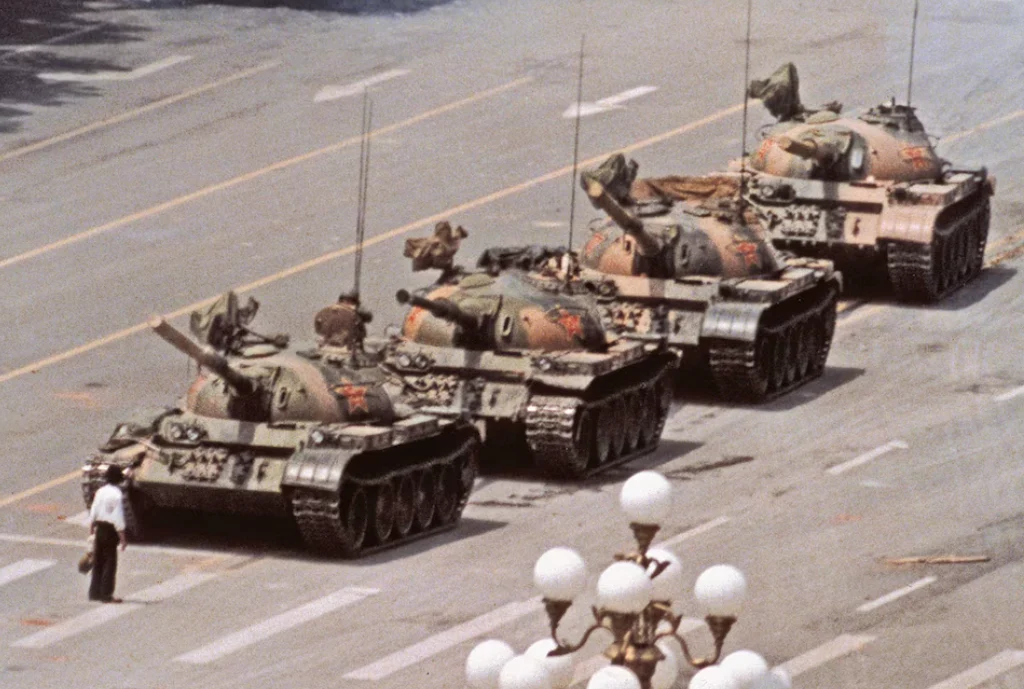
In a 45-minute speech, Xi made a particularly significant reference to the protests that ended on June 4, 1989, when the People's Liberation Army entered Beijing to clear Tiananmen Square.
"Between the spring and summer of 1989, China experienced a serious political upheaval," Xi stated, before highlighting that Jiang Zemin supported and implemented the decisions of the Communist Party's Central Committee.
The mention is especially relevant because Tiananmen remains one of the greatest political taboos in China. Authorities maintain strict restrictions on any public reference to the crackdown and censorship of images and testimonies from that episode remains in effect.
Xi defended the Tiananmen massacre
The protests began in April 1989, following the death of Hu Yaobang, a former communist leader considered relatively favorable to reforms. Thousands of students and citizens began to gather in Beijing to demand greater freedoms and democratic reforms.
The mobilization grew over several weeks until the regime decided to send troops to clear the square. The crackdown left a number of victims that has not yet been officially established by Chinese authorities.
Jiang Zemin came to power after Tiananmen
The defense of that decision also helps to understand Jiang Zemin's rise within the structure of the Communist Party.
After the crackdown, Jiang replaced Zhao Ziyang as party general secretary, who had been ousted for holding a position considered too conciliatory towards the protesters.
Jiang ultimately consolidated himself as the undisputed leader of China and governed for a decade. His tenure was later marked by strong economic expansion and greater commercial openness of the country.
One of the main milestones of that period was China's entry into the World Trade Organization (WTO) in 2001, a process that deepened the country's integration with the global economy.
Xi acknowledged that China is going through a difficult time
The affirmation of the communist response to Tiananmen also occurred in a complex economic and geopolitical context for Beijing.
Xi acknowledged during his speech that China is facing difficult times, although he assured that the country will be able to overcome the challenges.
Xi acknowledged that China is going through a difficult time
The Chinese leader called for maintaining an "indomitable fighting spirit" in the face of problems and urged to firmly defend national sovereignty, security, and development interests.
The message contrasts with the image of economic strength that the Communist Party seeks to project. The Chinese economy is experiencing a slowdown, while structural problems related to the real estate sector, domestic consumption, and trade tensions with the United States persist.
At the same time, the rivalry between Washington and Beijing has deepened in recent years, with disputes covering trade, technology, artificial intelligence, and Taiwan.
A regime that advocates political control
The combination of both messages is significant: while Xi acknowledges economic difficulties, he simultaneously defends the continuity of the Communist Party's political model.
The tribute to Jiang Zemin thus served to recover one of the most controversial stages of recent Chinese history and present the 1989 crackdown as a necessary decision to preserve the regime's power.
More than three decades after Tiananmen, the Communist Party has not officially reviewed that crackdown nor allowed a public debate about its perpetrators and victims. On the contrary, Xi's speech once again presented that decision as part of the actions that ensured the stability of the system.
Amid economic challenges and growing competition with the United States, Beijing thus maintains a central premise: economic openness does not imply political openness and the power of the Communist Party continues to be considered non-negotiable.