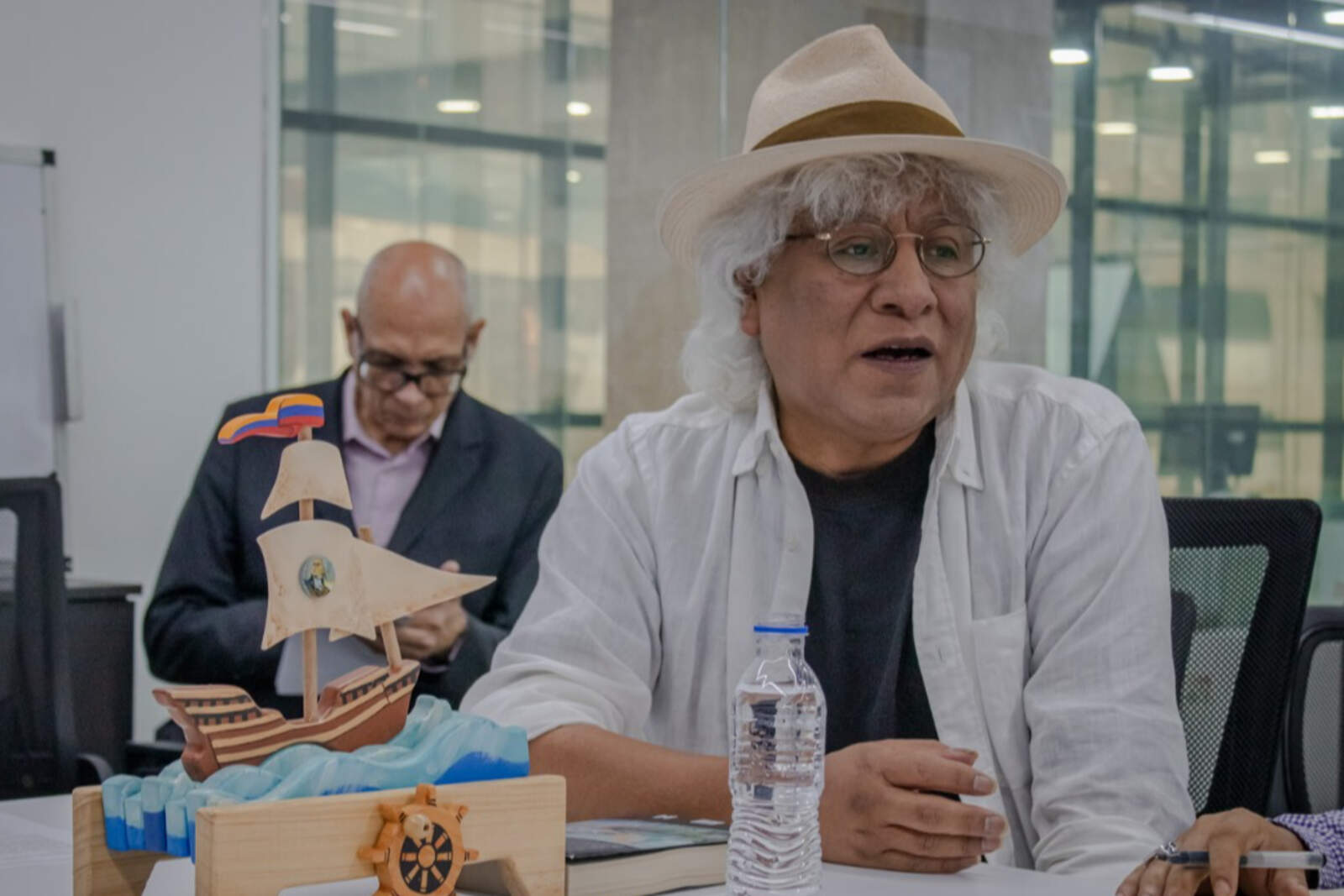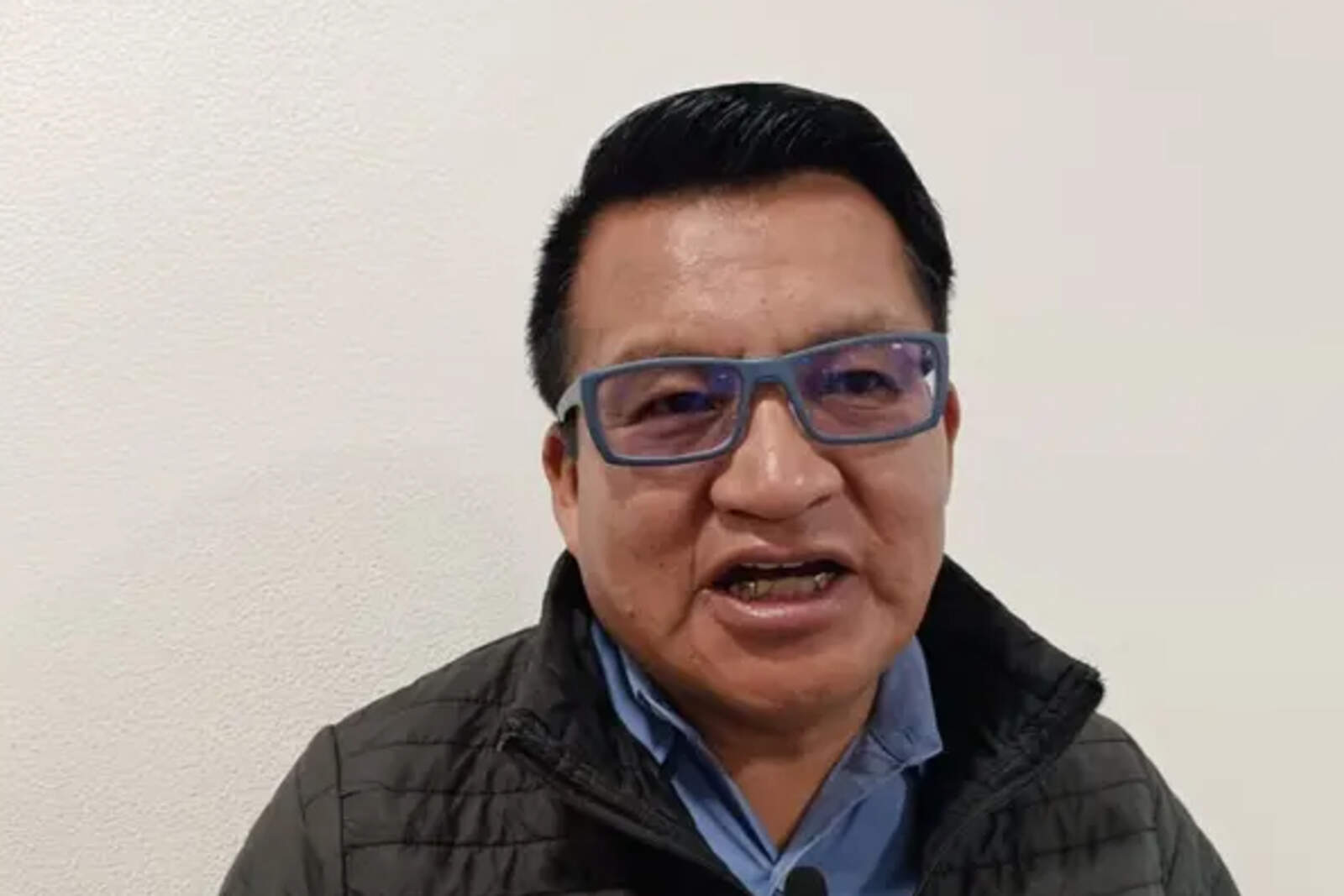





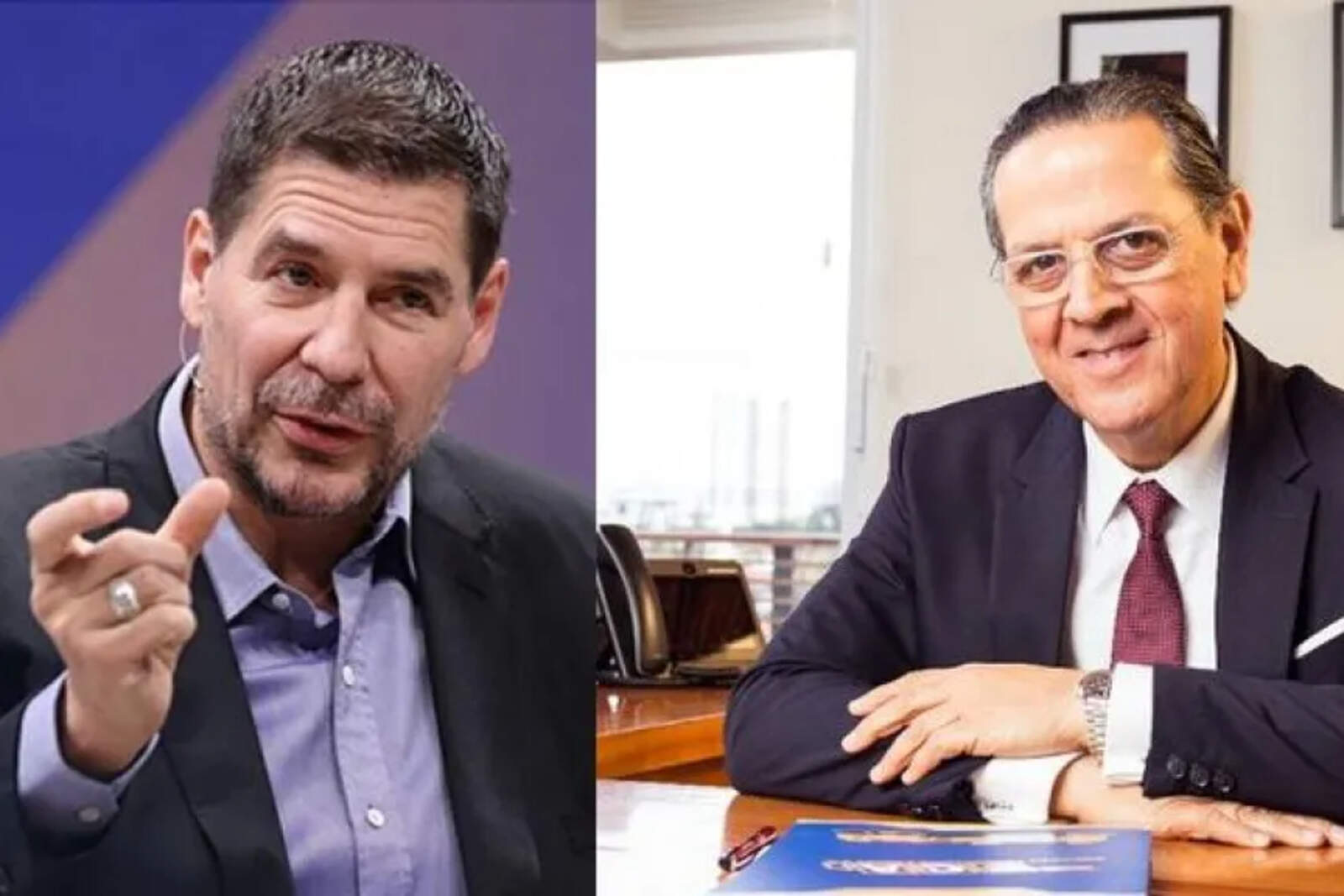



Bautista even proposes a critique and self-critique of the 2020-2025 period. However, his previous publications show a strong adherence to the official discourse.
Among the most controversial aspects is the focus of the report. It will not be limited to verifiable or quantifiable facts. Messages, purposes, contexts, and trajectories will be valued.
Messages from the Vice President and the Secretary General will also be included. In other words, a political narrative will be constructed from self-assessment. The report will not be an audit but a personal epic.
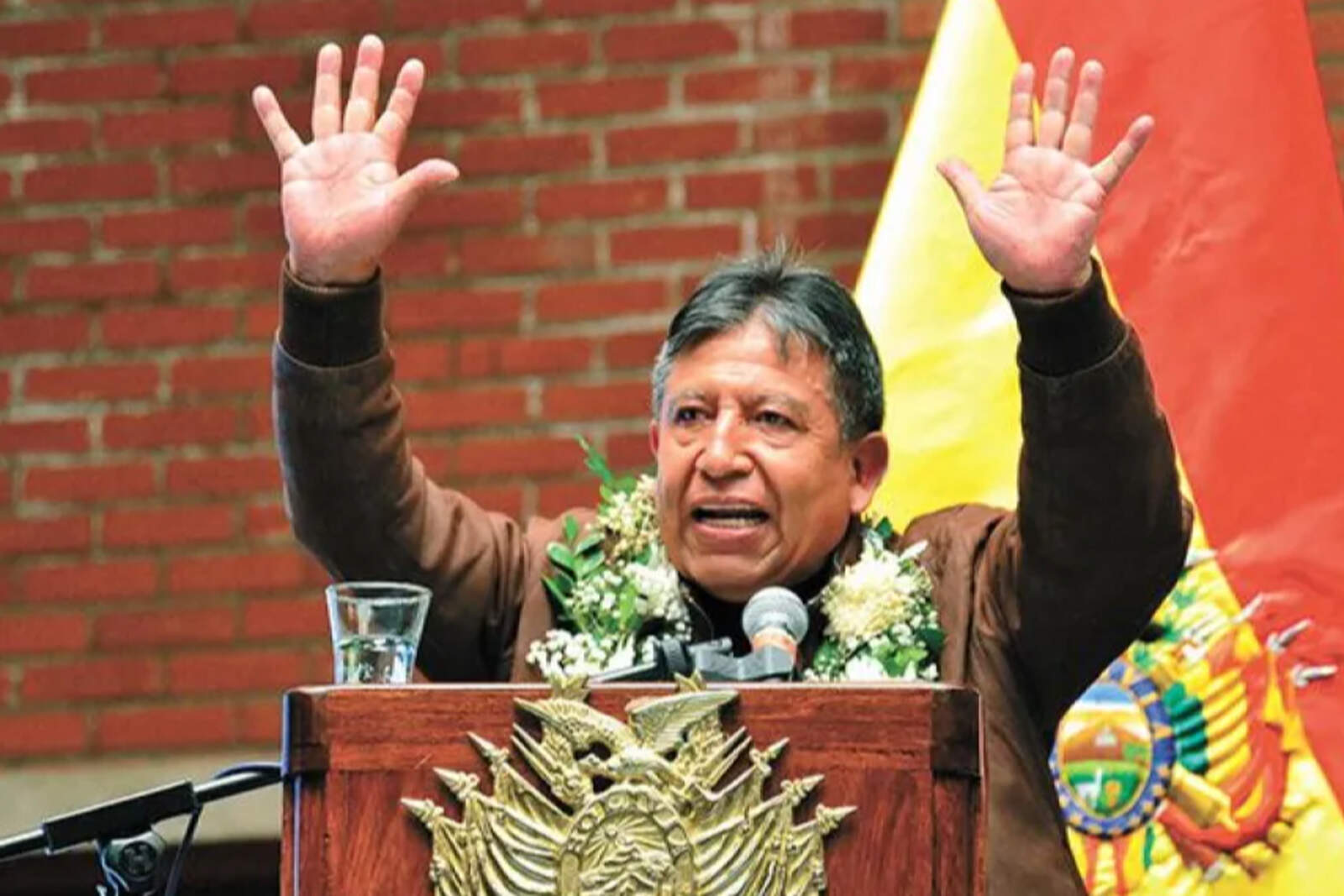
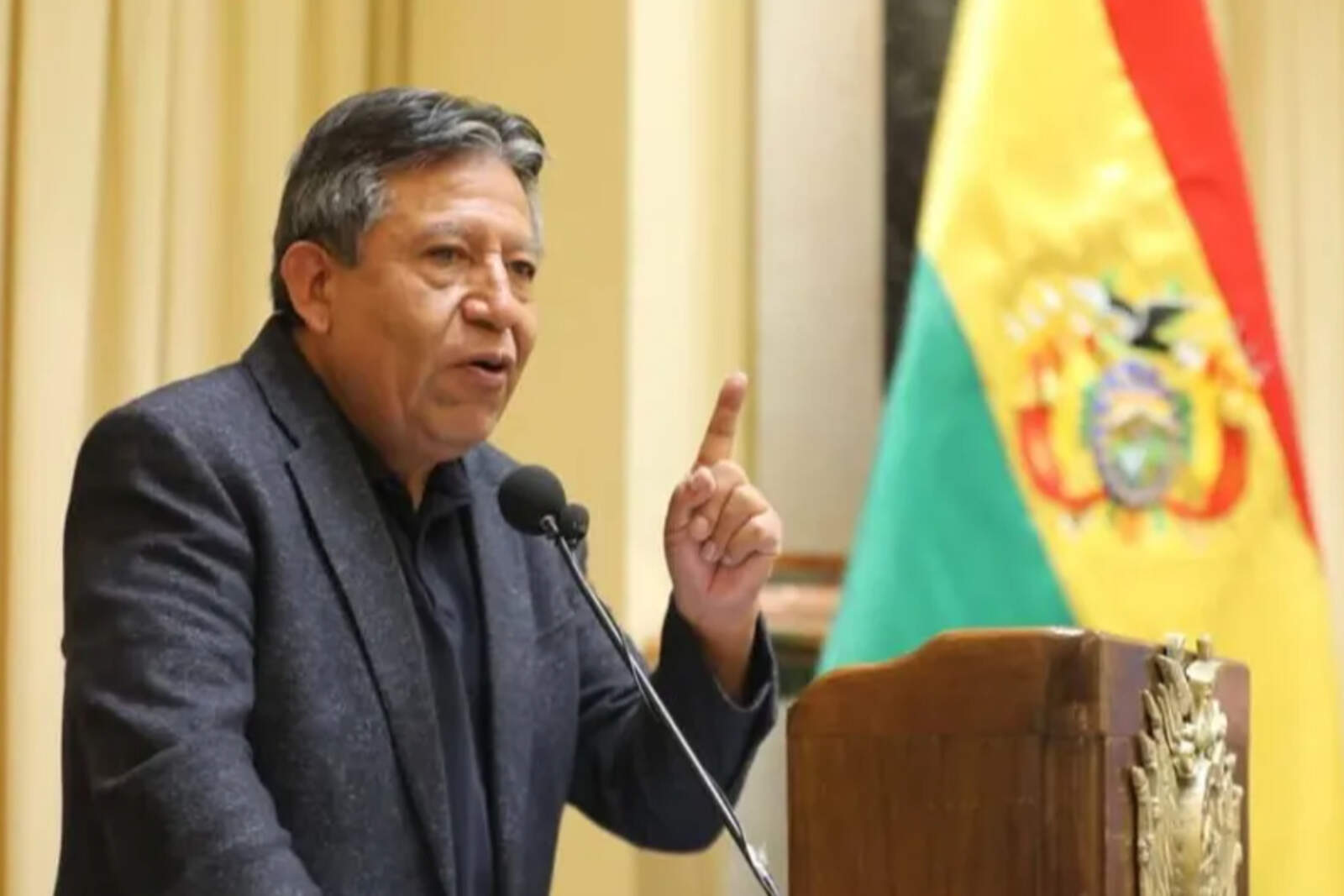
This is not the first time Choquehuanca has promoted symbolic initiatives. Since he took office in 2020, he has promoted ritual speeches and ancestral ceremonies. He called himself the "last Inca" and proposed to "re-enchant politics."
This narrative had no legislative or executive counterpart. His administration was characterized by institutional silence. His public interventions were more mystical than concrete.
An administration to forget
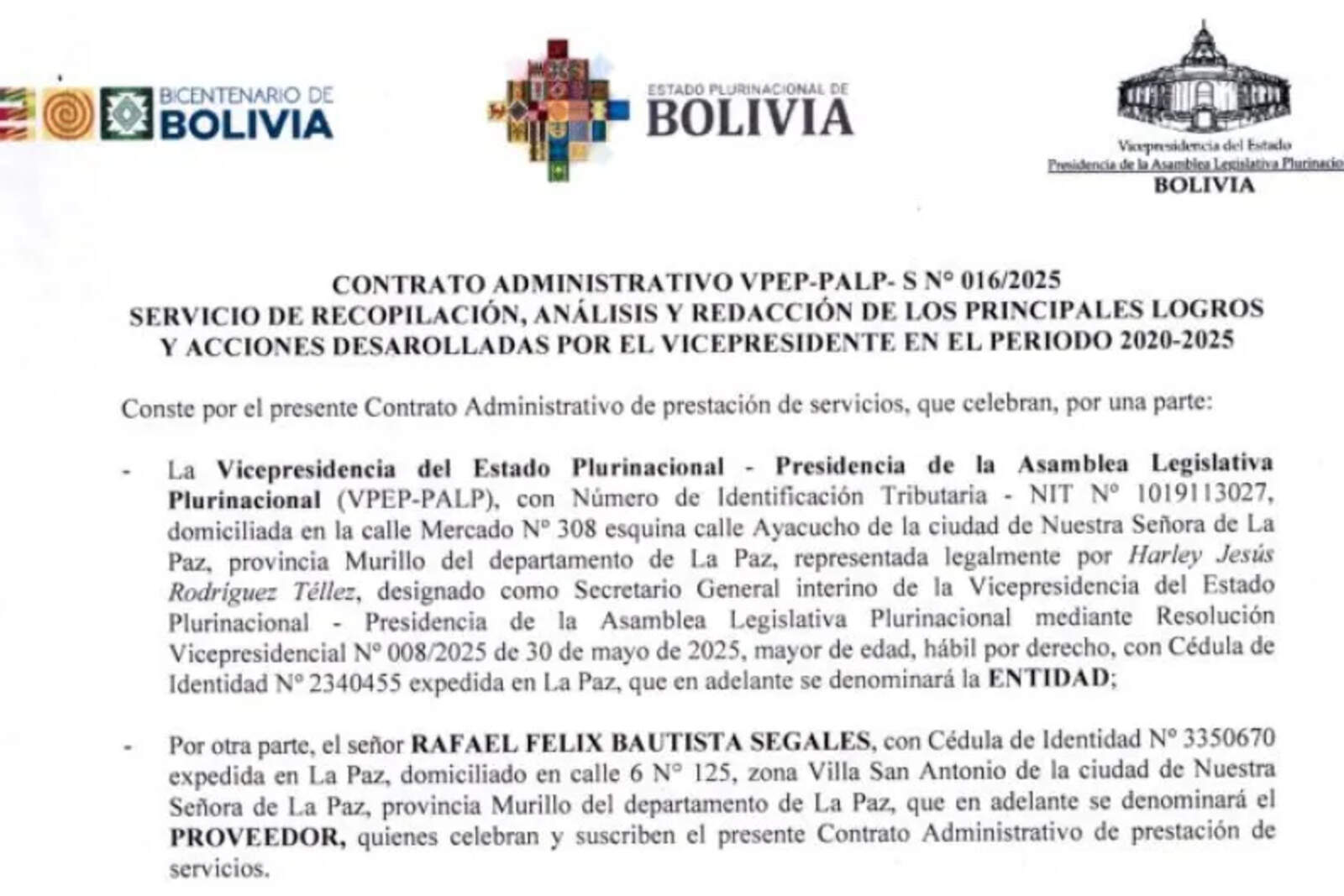
In this context, the commission to Bautista seems to be an extension of that logic. The goal is not to evaluate achievements but to narrate a personal mystique. The Vice Presidency is transformed into a space for symbolic construction.
Public resources are allocated to consolidate a political imaginary. "Living well" becomes a discursive pretext to justify inaction.
In the absence of laws or reforms, investment is made in political literature. The document will attempt to give meaning to five empty years.
Instead of accountability, ideological aesthetics is chosen. The 50,000 bolivianos will pay for a narrative that few will read and no one will verify.
This episode reflects the decline of an administration without institutional impact. The Vice Presidency becomes a refuge of symbolism. A poet is paid to build a nonexistent legacy