- National Customs: Bs 1.6 million (2023—2024
). - YPFB: almost Bs 700,000 between 2021 and 2023.
- National Taxes (SIN): Bs 357,000 in 2023.
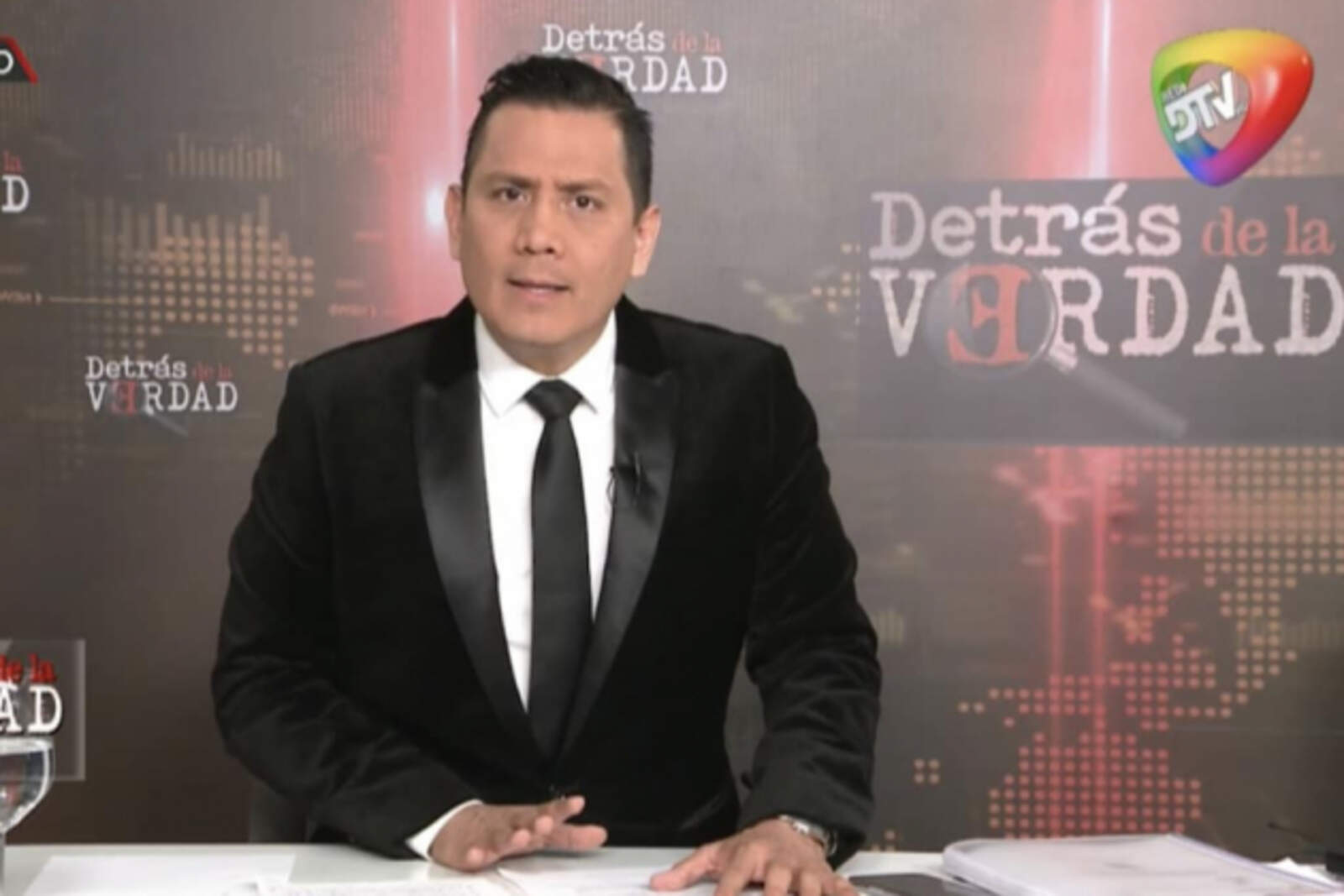
ASFI, ABE, BOA, Ministry of Public Works and Environment, with amounts ranging from Bs 46,000 to Bs 200,000. In total, more than 25 contracts in 13 months, according to the complaint of the deputy Héctor Arce, of the supervised wing of the MAS.
The usual “favouritism”
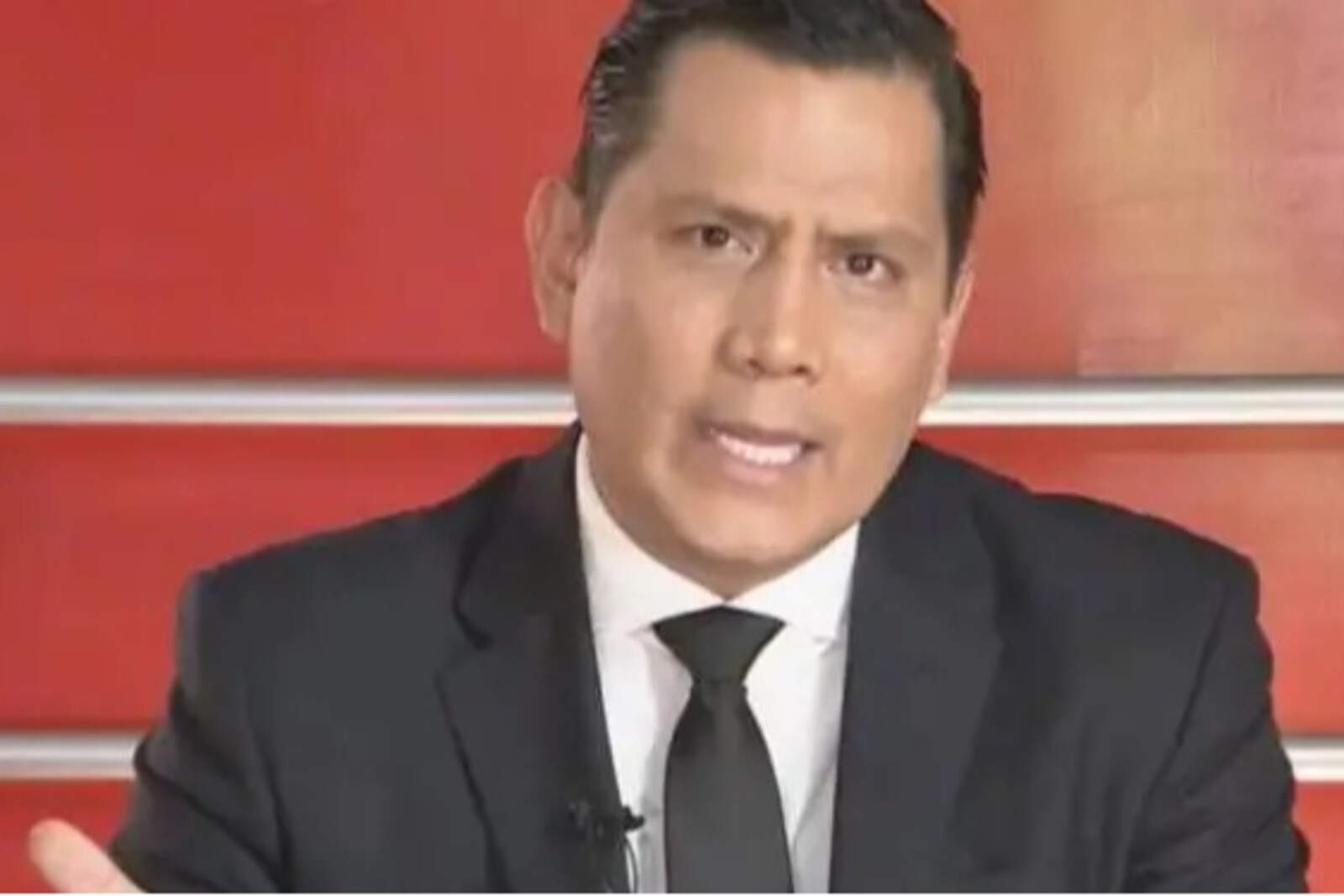
The deputy denounced a clear direction of state advertising towards a journalist with a national arrival. “While community media are dying, others are concentrating millions on official propaganda,”
Arce said.
Similar cases have been seen in Ecuador, Argentina and Venezuela, where the state pattern was transformed into a tool of political control and indirect censorship.
Institutional advertising or propaganda?
The Government argues that the contracts are for “institutional” purposes. However, DTV's repetition, size and editorial affinity with the ruling party fuel suspicions of covert propaganda.
In the midst of an economic crisis, with fiscal deficits, inflation and fuel shortages, allocating millions to a single private sector generates indignation.
The political background
The case emerges in the midst of an internal fracture of the MAS, between President Arce and Evo Morales. For many, DTV media coverage plays a key role in that faction war.
The question that stands out is: are we dealing with a legitimate advertising scheme or a propaganda mechanism with money from all Bolivians?