The Democratic Attorney General of California, Rob Bonta, is facing strong criticism for last-minute changes to the official description of a voter identification proposal that will be submitted for voter consideration in the November elections.
Supporters of ''Proposition 39'', which would establish new identification requirements for voting, accuse the official of using his authority to present the initiative negatively and harm its chances of approval. Republicans labeled the maneuver as an attempt to “manipulate” the electoral process and denounced possible partisan interference against a measure backed by groups seeking to strengthen election security.
The ''Proposition 39'' would require voters to present government-issued identification at polling places or provide the last four digits of an identification number when voting by mail. The initiative also includes provisions for the state to issue electoral identification cards to those who request them, would require authorities to report on citizenship status verification, and would establish audits to ensure compliance with the rules.
The proposal made it onto the November ballot after gathering over 962,000 signatures and would become law if it receives voter support. Its proponents argue that the proposal has broad public backing and aims to establish basic controls to protect the integrity of the electoral system.
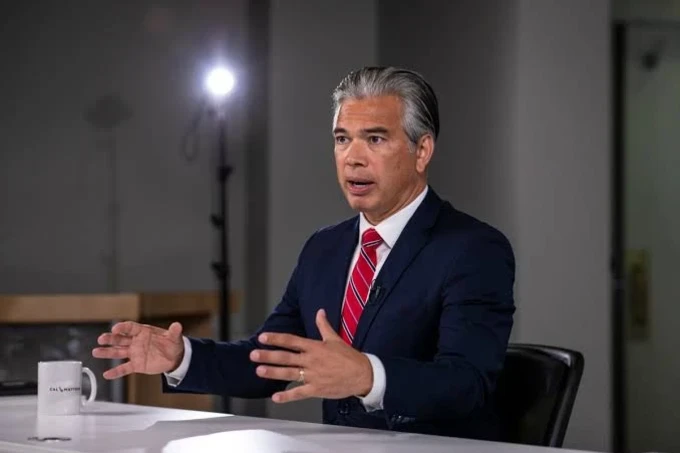
The Democratic Attorney General of California faces tough scrutiny, which could be decisive for local elections
However, supporters of the measure reported that Bonta modified the description used in the official guide that will be sent to voters. The new wording uses terms considered more negative than those originally employed and indicates that the proposal could ''prohibit'' voting or ''invalidate'' mail-in ballots when the required identification is not presented.
The previous version, according to critics, merely described the identification requirements without using expressions that could generate a negative reaction among voters. Additionally, the new description allegedly omitted the reference to the state's obligation to provide identification cards upon request.
Republican David Tangipa, one of the first legislators to warn about the changes, accused Rob Bonta of engaging in a political maneuver during the election season. ''This is manipulation and a blatant rigging in the middle of the election season,'' he stated.
Carl DeMaio, a Republican legislator and main proponent of the initiative, was even more forceful and accused Democratic politicians of trying to prevent voters from evaluating the proposal fairly. According to DeMaio, Democrats know that a significant portion of Californians supports voter identification, which is why they would be using ballot language to try to reduce support for the measure.
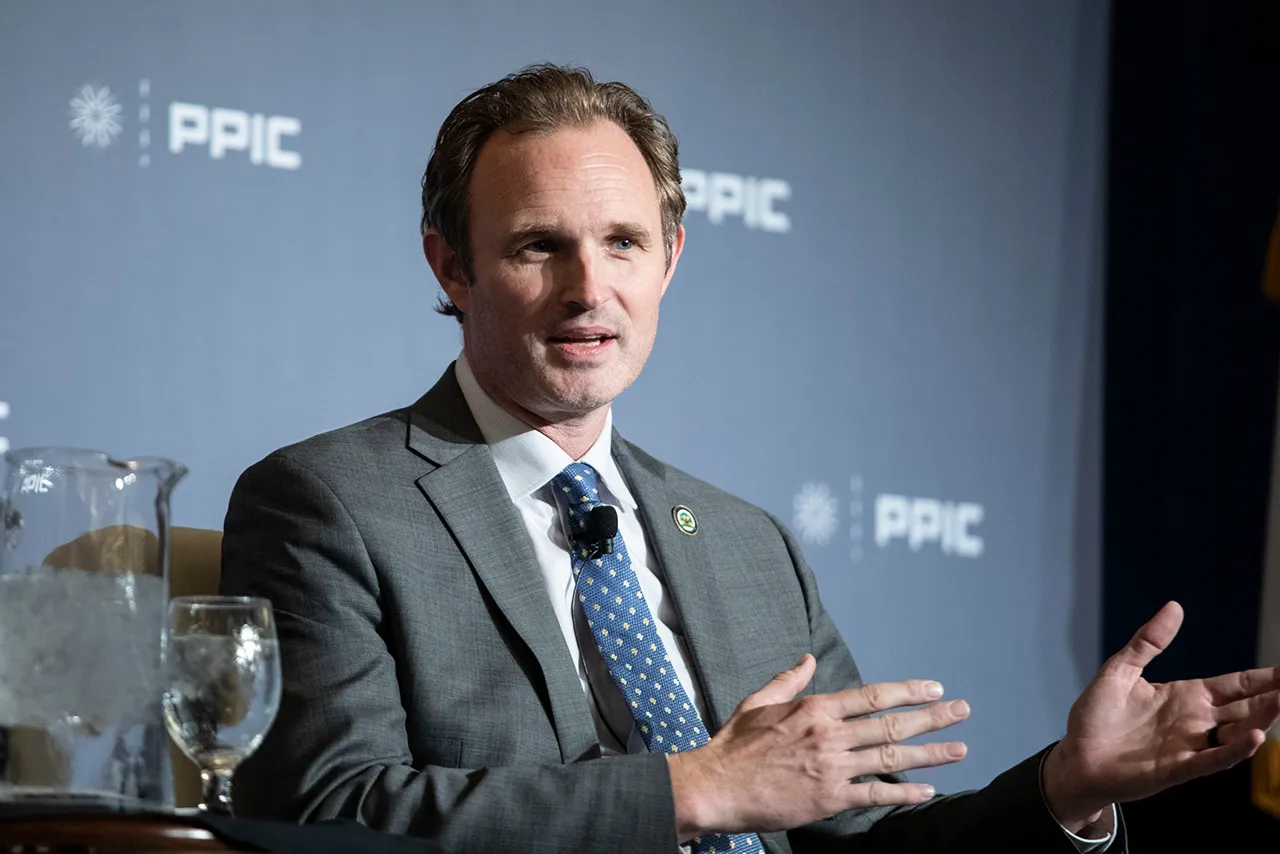
Republican Congressman De Maio suggested that the majority of voters in California support the request for documentation to vote
The accusations reflect a broader political dispute over election security in California. The state has adopted a system that facilitates mail-in voting for years, while Republicans and conservative sectors have called for stricter controls to ensure elections are transparent and to prevent possible irregularities.
Republican Congressman James Gallagher also criticized Bonta and stated that the Attorney General failed to prevent the proposal from gathering the necessary signatures to reach the ballot, so he has now opted to modify its presentation to voters. ''He changes the ballot title to manipulate how voters view voter identification, sabotaging it before Californians can vote fairly,'' he asserted.
Bonta's office rejected the accusations and defended its decision. The Attorney General cited a state law that allows the title and summary used on the ballot to differ from those used during the signature-gathering phase. His office stated that the changes do not constitute a political maneuver and that the nine citizen-initiated measures on the ballot this year had modifications in their descriptions.
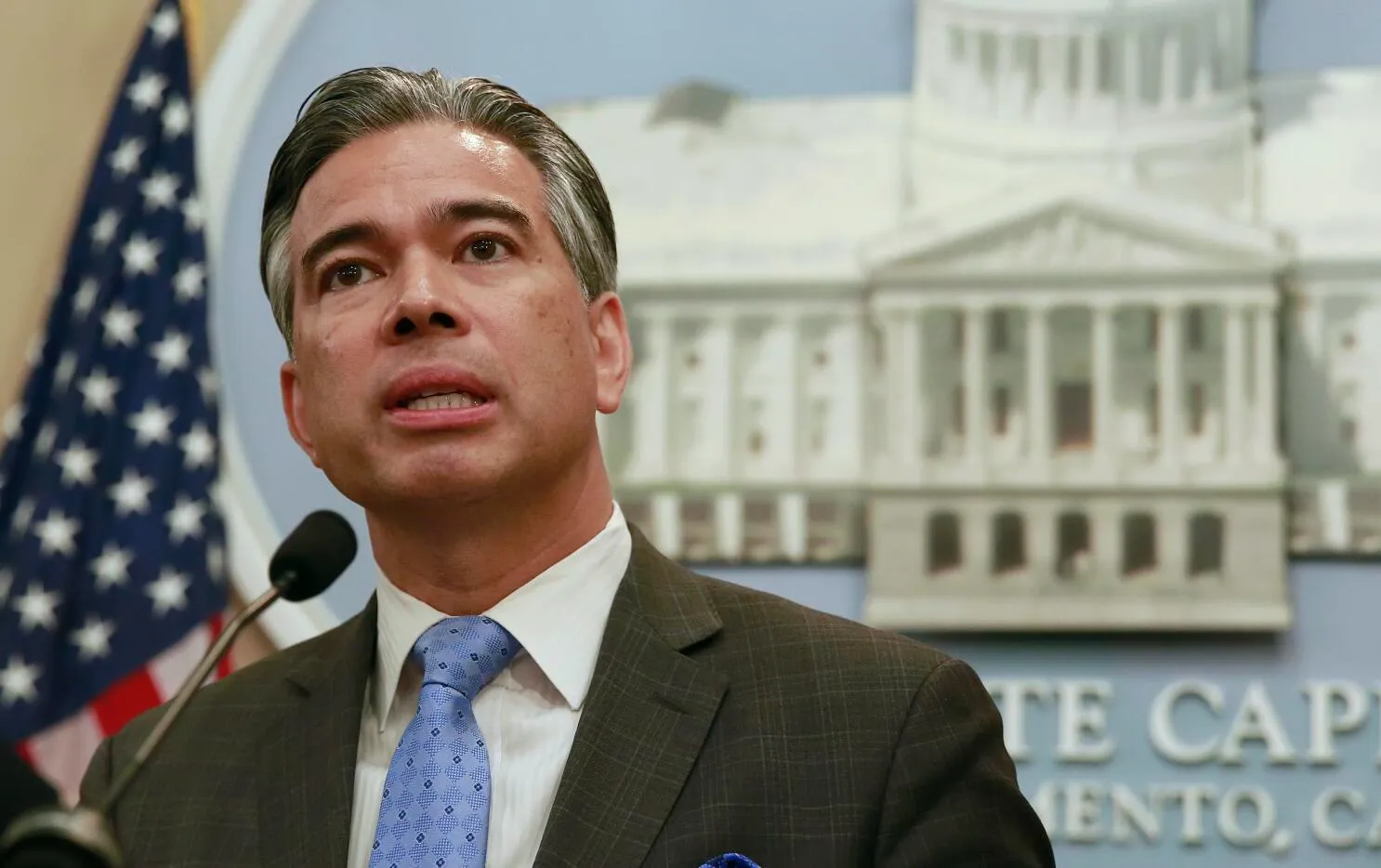
Legislator James Gallagher strongly criticized the state's Democratic Attorney General for his actions against transparent voting
According to the Attorney General's office, its goal was to provide voters with greater clarity about the purpose and main effects of ''Proposition 39''. However, Republicans consider the explanation used to be biased and that a Democratic official's power to define the language of proposals can become a tool to indirectly influence the outcome of an election.
The controversy is not new either. In California, previous Attorneys General have been accused of using the official descriptions of electoral initiatives to favor positions backed by their own party. Unions and the state legislature, controlled by Democrats, have defended the current system, arguing that the Attorney General's office has sufficient experience and resources to draft the explanations.
However, critics warn that maintaining that authority within a partisan office can create conflicts of interest and open the door to biased or misleading language. The dispute over ''Proposition 39'' brings the debate about the impartiality of California's electoral institutions back to the forefront and fuels Republican accusations that Democrats are using the state apparatus to hinder reforms aimed at strengthening voter identification and election security.
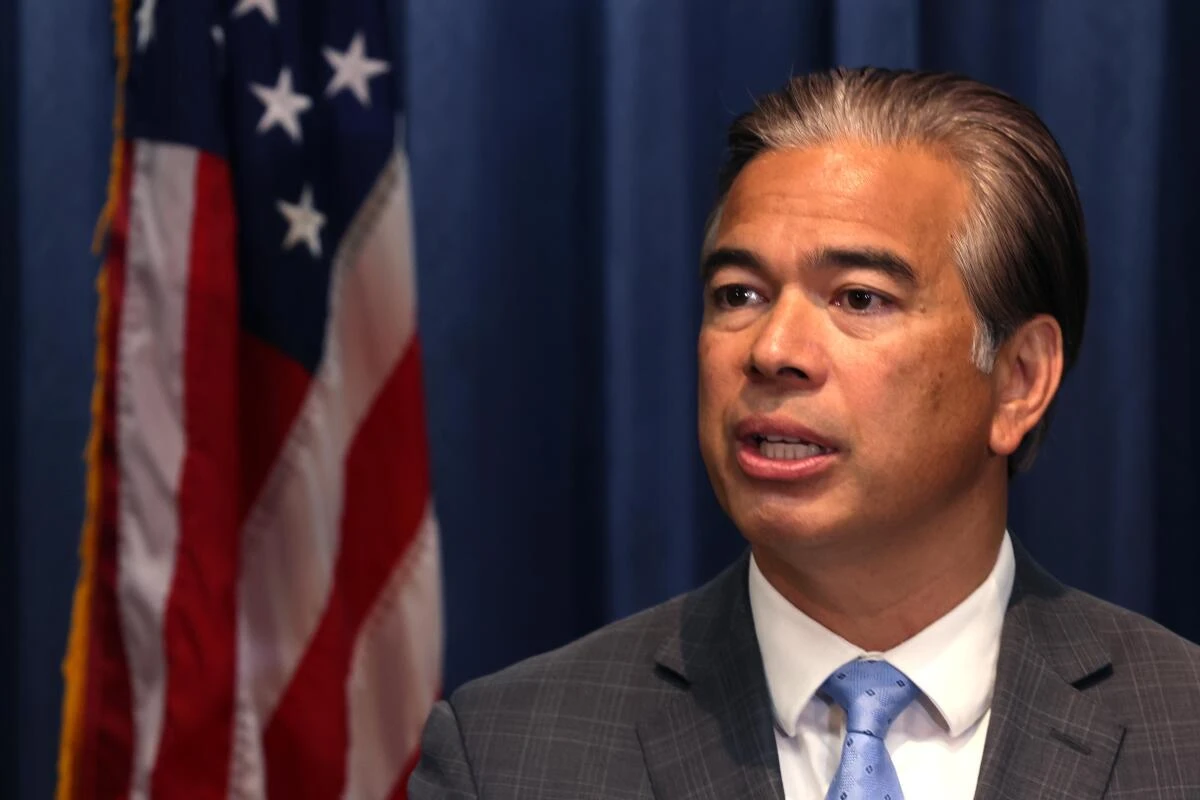
The Democratic Attorney General of California discredited the accusations against him and supported his delusional measures